
How to Identify Authentic Indian Embroidered Shoes
Indian hand-embroidered footwear has records rooted in art and lifestyle. These masterpieces are made through professional craftsmen who hand down embroidery abilities from generation to generation. But as mass manufacturing has become the order of the day, it has emerged as very difficult to distinguish actual hand-embroidered shoes from their machine-made counterparts.
For brides seeking to incorporate a way of life into their wedding apparel, deciding on actual, handcrafted embroidered shoes is a must. This guide will assist you identify proper Indian embroidered shoes and make a knowledgeable guide to your big day.
The Beauty of Hand Embroidery: What Sets It Apart?
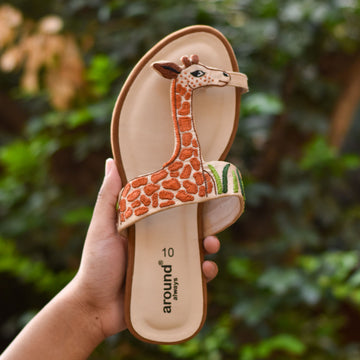
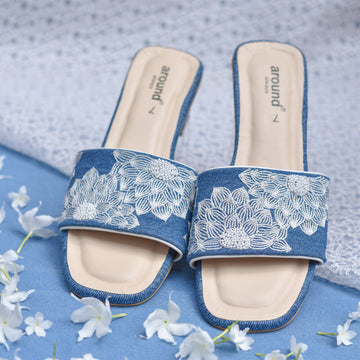
Hand embroidery is a testimony to professional craftsmanship, bringing a stage of skill-ability that machines can't reflect.
- Distinctiveness: No pairs of hand-embroidered shoes are alike. The mild difference in stitching and styles denotes actual expertise.
- Intensity and Texture: Hand embroidery looks three-dimensional; it has a texture whereas the machine-made one seems flat and uniform.
- Time-eating Craft: To stitch one authentic pair of hand-embroidered footwear can take as many days, which depicts their determination and abilities.
Choose Quality over Quantity
The shoe’s fabric quality is a crucial factor, when someone is picking hand-embroidered shoes. Authentic embroidered footwear is made of premium fabric such as silk and velvet. Silk and velvet often get used in bridal shoes because of the feel.
Embroidery thread quality plays a key role. Handmade work with cotton or zari threads adds lasting beauty, unlike machine embroidery with synthetic threads, which lacks fine detail.
Embroidery embellishments are also carefully sewn and not glued. Beads, mirror work, pearls, and Gota patti are put in place one by one, so they do not come loose with time. Mass-produced footwear makes do with adhesives, and embellishments come loose easily.
The Art of Regional Embroidery: Know the Craft
India has exceptional regional embroidery forms that add their own particular appeal to hand-made footwear.
Zardozi embroidery, frequently associated with royalty, features unique metallic threadwork and is generally utilized in bridal shoes.
Aari embroidery is a great needlework method that creates exact floral and butah patterns.
While Gota Patti, a distinctive Rajasthani embroidered technique, features delicate metal ribbon paintings that give the shoes a regal appearance, Phulkari, a lively embroidery style from Punjab, is known for its bright floral design. The brides will be able to select shoes that complement their wedding ceremony look by being aware of these trends.
Identifying Machine-Made and Hand Embroidery
One of the simplest methods of telling machine-made embroidery from handmade work is to look at the back of the embroidery. Hand-stitched designs are usually uneven or have a kinky back, while machine embroidery has a uniform and smooth background.
Another difference is the stitch consistency. Homemade embroidery is usually different in stitch length and alignment. Machine embroidery looks too perfect and symmetrical. Moreover, homemade embroidery is much stronger; the stitches are tightly knotted so that they do not come loose. In contrast, machine-embroidered designs can come loose when there is wear and tear.
Comfort Factor
Beyond aesthetics, while choosing wedding footwear, comfort is an essential factor. Handcrafted shoes have an exceptional benefit in this regard. Over the years, they mold to the form of the feet, providing a custom that enhances comfort. That is especially vital for brides who want to face and dance for extended durations at some point of wedding celebrations.
Unlike mass-produced shoes which can be stiff in the soles, hand-crafted shoes will function with flexible soles, hence brilliant movement. Many artisans also offer double padding designs in their creations to ensure comfort in those cases when the wedding event will drag for a long time. It makes them a practical choice and stylish for the bride.
Exclusive and Customizable
Customization is one of the most important benefits of choosing handcrafted embroidered footwear. Brides can choose special designs with their initials; wedding ceremony dates, or issues that complement their bridal apparel. Every pair is an absolutely specific way to individualized craftsmanship, which makes each advent in reality one-of-a-kind.
Customization is also enabled for brides to choose embroidery designs, colors and ornaments. Handmade wedding shoes provide unlimited avenues of personalization so that they form a treasured component of the wedding attire.
Conclusion
Investing in authentic, hand-embroidered footwear is greater than only a style preference–it’s a way to embrace India’s rich cultural history. Brides who cost way of life, excellent, and exclusivity have to pick out handcrafted shoes over mass-produced alternatives. Not only does this footwear upload elegance, however in addition they support professional artisans who've committed their lives to maintaining India’s embroidery traditions.
For brides seeking to make an announcement with their wedding shoes, hand-embroidered footwear is the proper preference.