
Top 7 Mistakes Brides Make When Choosing Their Wedding Footwear & How to Avoid Them
Wedding Shoes can only appear like a small fragment among dresses and jewellry, but every bride eventually learns one lesson: sometimes the wrong shoes can spoil the atmosphere, and the picture album. Footwear is a decision you cannot afford to take lightly, whether you are a bride in Bangalore who is planning a heritage-oriented wedding, a bride in Hyderabad who is organizing a lavish sangeet wedding, or a bride in the USA who is bringing Indian culture with her to her foreign land. The seven most frequent mistakes that brides commit are listed below, along with how you can avoid them with ease.
1. Choosing Style Over Comfort
The greatest mistake made by the brides, particularly those in cities such as Mumbai and Hyderabad, is focusing on glamour and not comfort. Sky-high heels, unpadded soles, and narrow straps may look dreamy, but you will regret them halfway through your pheras or reception. Indian wedding rituals are protracted and full of movements and long periods of standing. It is smarter to choose the shoes that are both pretty and supportive with cushioning, arch support, and space to move the foot freely.
2. Footwear not corresponding to the length of the outfits
Most brides, especially in Bangalore and Goa, forget that the height of the footwear is important in determining the length of the lehenga or saree. If your outfit is stitched according to a 3-inch heel but you show up in 1-inch wedges on the wedding day, the hem will drag, look messy, and create tripping risks. You should always wear your shoes first and then select your initial outfit before the designer makes the alterations on the lehenga or gown, so that they are exact.
3. Trying First-Time Footwear on the Wedding Day
Bridal girls in the metro cities such as Mumbai and Bangalore, where weddings include back-to-back ceremonies, often underestimate the importance of breaking in their footwear. Various wounds, swellings, blisters, and pain can be experienced when wearing a new pair straight on the wedding day and manifest in your photographs. The solution is easy: when at home, you should put on your selected shoes at least 3-4 days before the occasion in order to soften and shape them to the feet.
4. Neglect of the Venue and Ground Conditions
A mistake that is frequently witnessed at the Goa destination weddings is the wearing of stilettos during beach weddings or garden pheras. The sharp heels get stuck in the sand or turf; thus, walking becomes awkward and spoils both posture and photo. Likewise, brides in Hyderabad and Bangalore who are holding indoor weddings in giant banquet halls might require additional grip in order to prevent the slippery floor. The remedy: Outdoor weddings—wedges; indoor functions—block heels, embroidered juttis, and smooth flooring with anti-slip pads.
5. Selecting one pair to do everything
Indian weddings, be it in Mumbai, Hyderabad, or the USA, consist of many events with various outfits, atmospheres, and degrees of movement. Brides often make the mistake of choosing one single pair to “manage it all.” However, a heavy zari jutti will not go with a cocktail dress, and an overly decorated heel will not match your haldi outfit. Arrange at least three sets, one of them being pheras, one a sangeet/dance performance, and another one a reception or cocktail night.
6. Ignoring the Skin Tone and Outfit Undertones
Many brides in Bangalore and the USA, where mixed palettes are common, forget that footwear must harmonize with the undertones of their outfits. Gold shoes could be bright and might clash with the old gold embroidery. The neutral nudes can be washed out by cool lights. Always test your shoes with your clothes before you settle on the combination during the day in the natural sunlight and indoor warm light. This guarantees visual similarity in images between such places as the banquet halls in Mumbai or the open-air places in Goa.
7. Failure to consider reusability in the long term
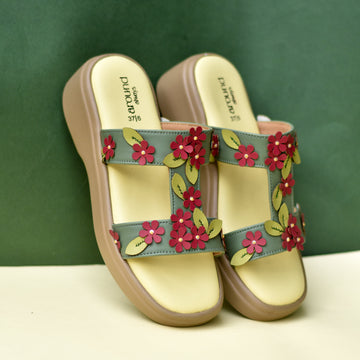
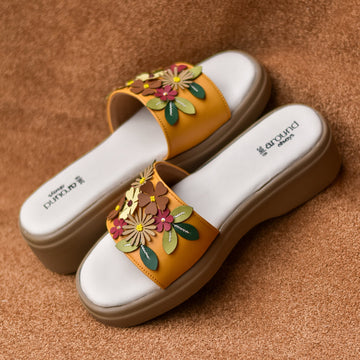
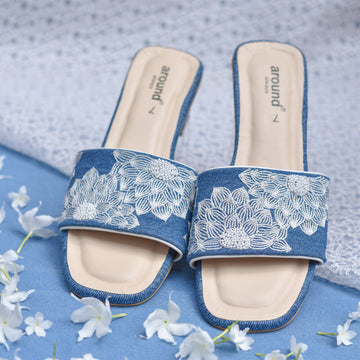
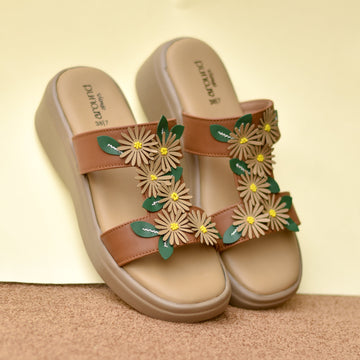
This mistake is mostly prevalent among brides in Hyderabad and Indian weddings based in the USA, as brides in these two countries tend to purchase rather traditional shoes that they can hardly wear after the wedding. Although buying a ceremonial pair is not a bad idea, at least one pair to be worn in the future during festivals—such as a neutral brocade block heel, pastel zardosi jutti, or a pair of minimalist decorated wedges with pearls—is worth buying. This is cost-effective and will make your shoe a lasting memory and not a footwear box under your bed.
Bonus Tip: Foot Health Is Worth Remembering
During weddings in cities such as Mumbai and Bangalore, there are long, multi-hour weddings. When deciding on footwear, brides usually do not pay much attention to foot health: hydration and moisture, swelling. Where a ceremony takes many hours, especially in humid conditions like in Goa, you can wear your shoes made of breathable fabrics like brocade, linen, satin, or soft metallic leather to make your feet feel comfortable and fresh.
How to Find the Perfect Pair for Each City
-
For Bangalore Brides: Go for structured heels or cushioned juttis that support movement across large venues and indoor mandaps.
-
For Hyderabad Brides: Rich embroidery, zardosi, and pearl detailing work brilliantly with Nizami-themed outfits, but choose broad heels for stability.
-
For Mumbai Brides: Pick versatile, moisture-resistant footwear suitable for humidity—metallic wedges, brocade heels, or non-slip platforms.
-
For Goa Brides: Avoid stilettos. Choose wedges, flats, or embroidered sandals that support easy movement on beaches, lawns, and open venues.
- For USA Brides: Opt for lightweight, sophisticated designs that pair well with both Indian and Western outfits. Comfort-first footwear is essential for long cross-cultural celebrations.
Conclusion
Choosing the right bridal footwear is not just about style—it’s about comfort, practicality, and making sure you enjoy every moment of your big day, whether you’re celebrating in Bangalore, Hyderabad, Mumbai, Goa, or even the USA. Avoid these common mistakes, plan ahead, and pick footwear that supports you through every ritual, dance, and emotional moment. For beautifully crafted, comfortable, and wedding-perfect footwear, explore the stunning bridal collection at Around Always.