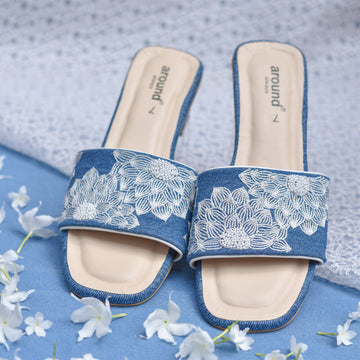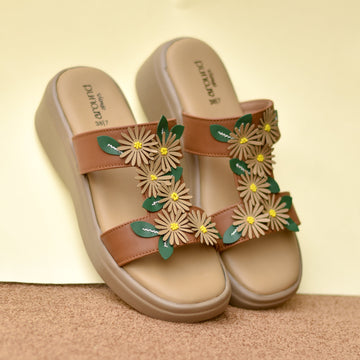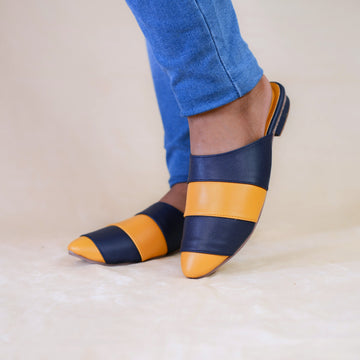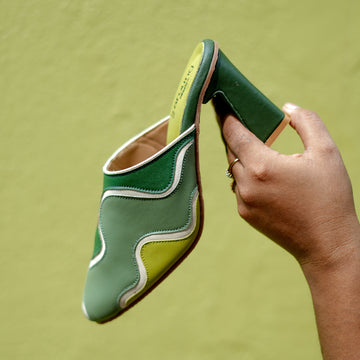

Bridal Shoe Heel Heights Explained From Flats to 6 Inch Wedges
The best bridal shoe heel height is the one you can walk in confidently for the full function. In our guide, we compare flats and 1 to 2 inch heels for long ceremonies with 2.5 to 3 inch block heels or wedges for moderate height. Heights above 3 inches need more practice, secure foot hold and a stable surface. We treat a 5 or 6 inch wedge as a deliberate platform style, not an automatic comfort choice.
Quick Bridal Heel Height Guide
|
Heel height |
Works well for |
Main advantage |
Check before buying |
|
Flat to 1 inch |
Long ceremonies and floor seating |
Low elevation |
Cushioning and foot hold |
|
1.5 to 2 inches |
Mandap, nikah and day events |
Gentle lift |
Strap security |
|
2.5 to 3 inches |
Lehengas and receptions |
Height with a moderate rise |
Your usual heel experience |
|
3.5 to 4 inches |
Shorter indoor events |
Stronger visual lift |
Balance and venue floor |
|
5 to 6 inches |
Platform wedges and statement looks |
Maximum height |
Platform pitch and practice |
What Does the Listed Heel Height Really Mean
Heel height usually measures the rise at the back. A forefoot platform can reduce the effective incline, so two shoes labelled 4 inches may feel different. A wedge offers more ground contact than a narrow heel, but it cannot fix poor fit.
Research supports a cautious approach. A systematic review of 81 studies found that high heels shifted pressure forward compared with flats or barefoot. NHS footwear guidance also notes that high heels move body weight forward. Height, shape and wear time should therefore work together.
The Bridal Heel Ladder
Flat to 1 Inch for Long Ceremonies
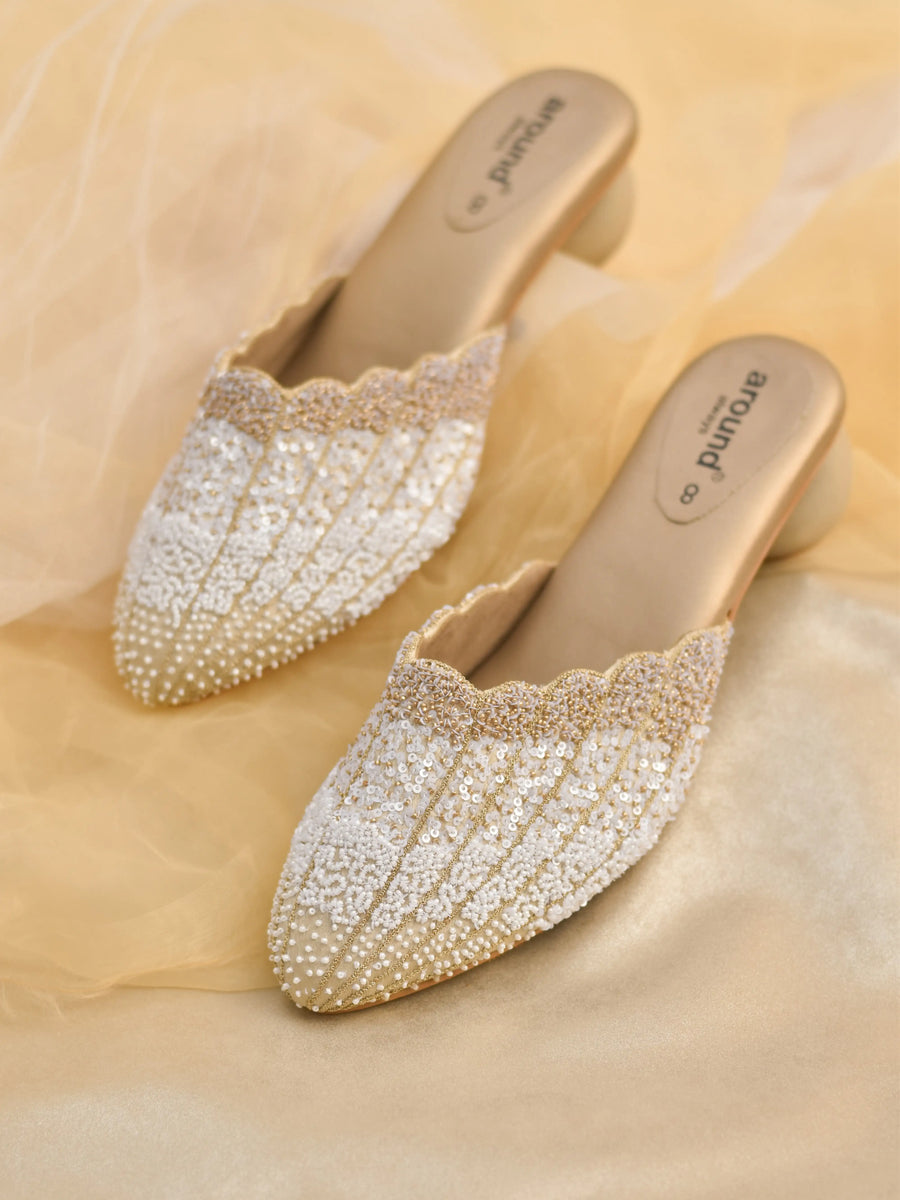
Choose this range when you expect extended standing, repeated footwear removal or floor seating. Embellished bridal flats can work with lehengas, sarees and shararas without looking like a backup pair. If you are as tall as your groom, or above average height, flats / low heels can be your go-to pair.
A flat sole does not guarantee comfort. Check toe room, cushioning and foot hold. Straps or closed uppers usually hold the foot more securely.

Buy - Opal Flats
1.5 to 2 Inches for a Gentle Lift
This range gives a visible lift with less elevation than a high heel. Low block heels and bridal sandals suit ceremonies, formal lunches and wedding outfits with modest hems.
Look for a broad base and secure straps. If you rarely wear heels, start here, to avoid any surprises on the day.

Buy - Buttercup Sandals
2.5 to 3 Inches for Balanced Elevation
Many brides choose 2.5 to 3 inches when they want heels for a lehenga without very high footwear. Wedding block heels and ethnic bridal wedges can suit receptions, cocktail events and shorter ceremonies.
Choose the height before the final fitting. Walk, turn and sit before approving the hem.

Buy - Leela Wedges
3.5 to 4 Inches for a Stronger Statement
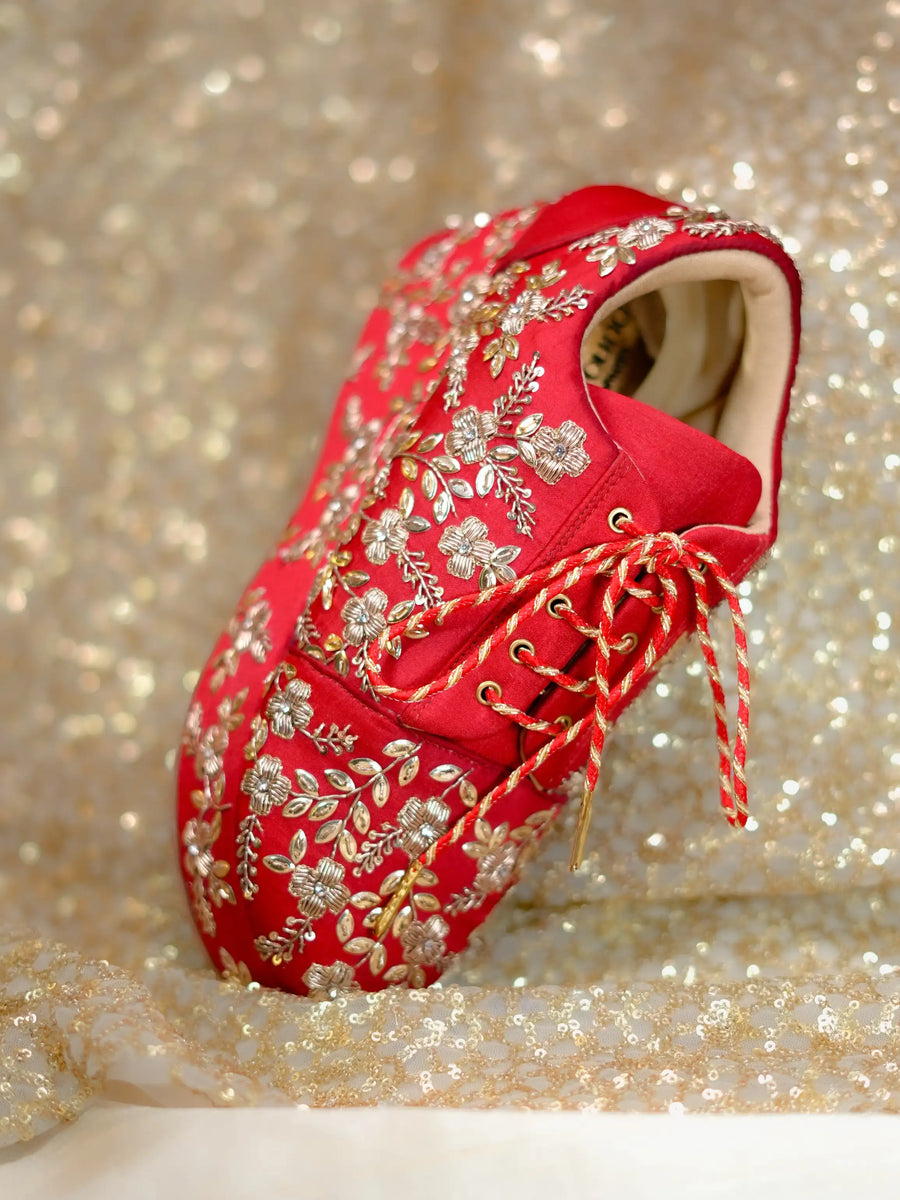
Use this range when you already walk confidently in similar heels. A block heel, wedge or wedge sneaker may feel steadier than a narrow heel, although construction, fit and sole grip still matter.
Use these heels on a controlled indoor surface. Carry a lower pair for long walks or dancing.

Buy - Cinnamon Sneakers
5 to 6 Inch Wedges for Maximum Height
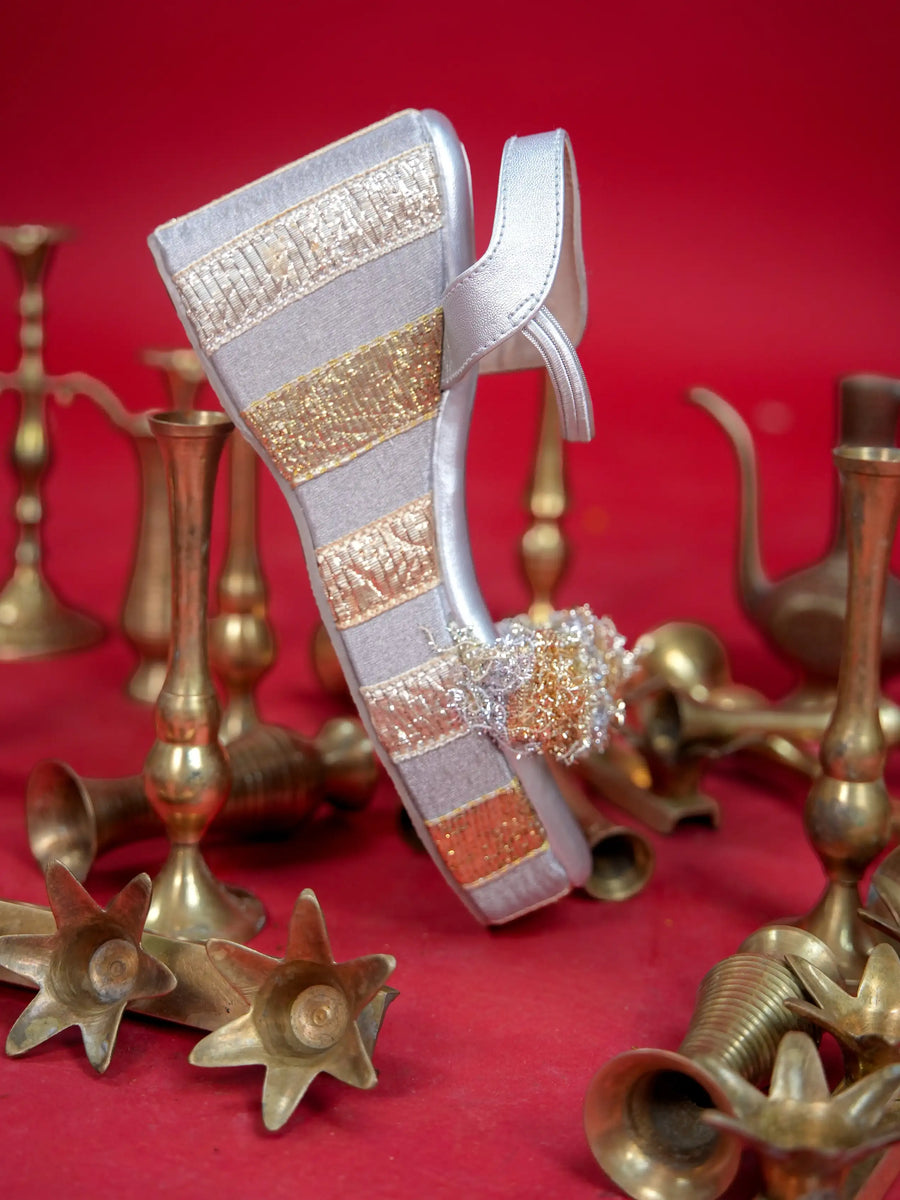
A 5 or 6 inch wedge is a specialist choice. Ask for the front platform height, test the ankle hold and do not rely on the back measurement alone.
Choose this height only if you already use high platforms and can rehearse in the pair. A tall wedge still changes balance. Also, ensure you get a wedge with a wide base to add more stability.

Buy - Crystal Wedges
Match the Height to the Wedding Plan
-
Long ceremony: Start with flats or 1 to 2 inches, then judge the shoe by fit and foot hold.
-
Lehenga or gown: Fix the heel height before alterations so the hem does not drag or sit too high.
-
Lawn or uneven ground: Prefer a flat, wider block heel or wedge over a narrow heel.
-
Sangeet or reception: Choose a familiar height and perform a movement test in the complete outfit.
-
Multiple functions: Use different heights when the activities change instead of forcing one pair through every event.
Complete the Full Outfit Test
Measure both feet before ordering. Follow our home foot measurement guide, then test the shoes on a similar floor to the venue.
Wear the outfit and walk, turn, sit, climb a step and check the hem. Confirm any height, width or strap change through our wedding footwear customisation service at Around Always. Not every construction supports every modification.
Compare Bridal Heel Heights in Our Collection
Explore our wedding shoes for women collection at Around Always to compare flats, sandals, bridal wedge heels and statement designs. Let your heel experience, outfit hem and wedding schedule decide the final height.
Expert tips: Take your exact wedding shoes to the final outfit fitting, then test the hem while walking, turning and sitting. Go for wider bottom base for the footwear for more contact surface area as you increase the heel height you opt for.
Frequently Asked Questions
Which heel height is best for a long wedding ceremony
Flats or 1 to 2 inch heels usually make the most practical starting point. The right pair must also fit securely and suit your usual footwear habits.
Are 6 inch wedges easier to walk in than 6 inch stilettos
A wedge offers a broader contact area, but a 6 inch height still demands balance and practice. Check the forefoot platform because it changes the effective incline.
Is a 3 inch heel suitable under a lehenga
Yes, if you already feel confident at that height. Complete the lehenga fitting in the exact shoes so the hem works with the final elevation.
Are bridal flats always more comfortable than heels
No. A flat can still rub, slip or squeeze the toes. Judge cushioning, toe shape, width and foot hold along with the absence of a heel.
When should I buy bridal shoes
Buy them before the final lehenga or gown alteration. Leave enough time to confirm the fit, practise walking and arrange an exchange or approved custom change if needed.