
Dos and Don'ts for Indian Wedding Shoes
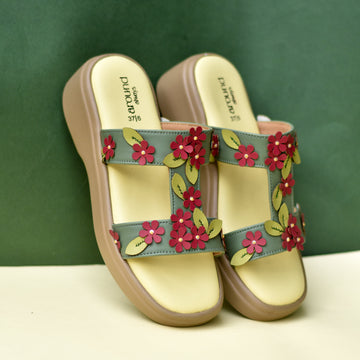
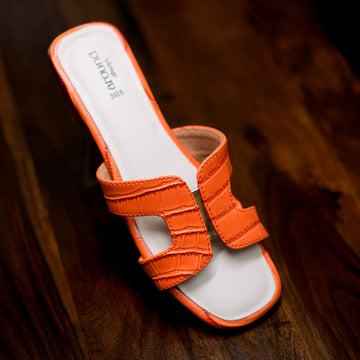
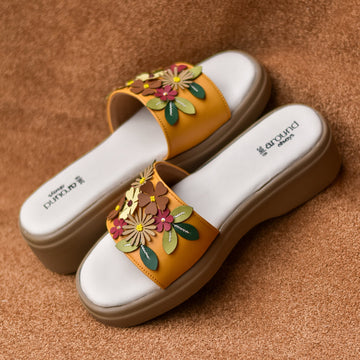
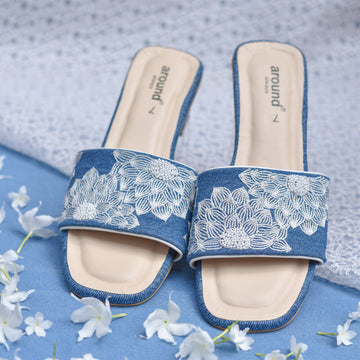
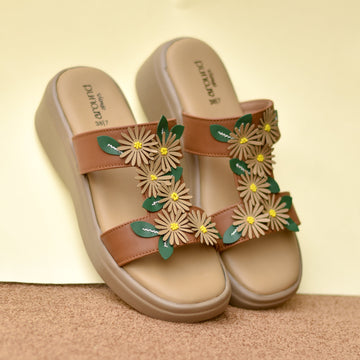
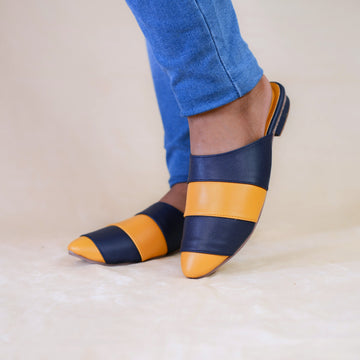
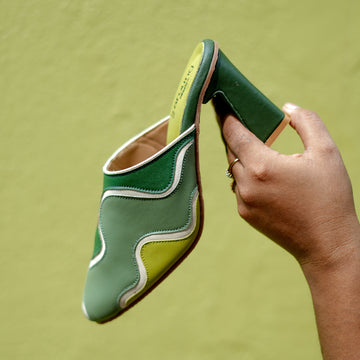
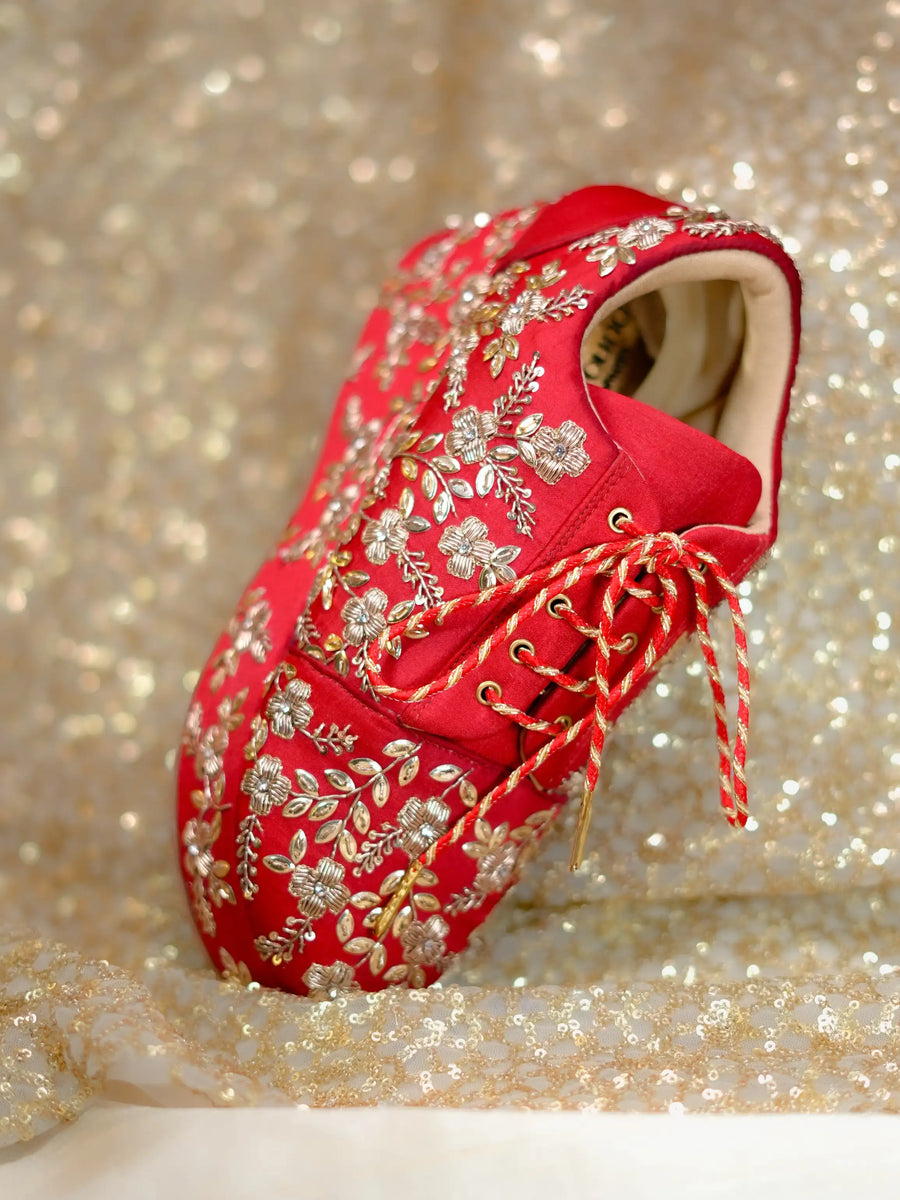
Choosing the right footwear for an Indian wedding comes down to comfort, outfit style, and venue. If you are thinking what shoes to wear to indian wedding functions, pick pairs that support long ceremonies, dancing, and walking. Brides can choose cushioned heels, wedges, embellished flats, or bridal sneakers based on the event. Guests can go for block heels, juttis, dressy sandals, or flats that match ethnic and Indo-western outfits. This guide covers the dos and don’ts to help you choose wedding shoes that look elegant and feel comfortable.
The Dos: What Every Indian Bride Should Do When Choosing Wedding Shoes
1. Find the Right Balance Between Comfort and Style. An Indian wedding is a marathon, not a sprint. Between rituals, photo sessions, and the sangeet, you will be on your feet for many hours. Choose shoes with cushioned soles and secure straps that support your feet while still looking beautiful. Embellishment and comfort are not mutually exclusive in 2026.
2. Buy Shoes After Finalising Your Outfit. Your saree or lehenga should guide your footwear choice. Take note of the embroidery, colour palette, and hem length before choosing shoes so that the two work as a complete look rather than competing with each other.
3. Have Two Pairs Ready. Keep a statement pair for the ceremony and a comfortable backup for the reception or after-party. A well-chosen second pair means you can dance through the night without sacrificing your feet.
4. Break Your Shoes In Before the Wedding Day. Wear your chosen shoes indoors for a few hours on separate days before the wedding. This prevents blisters and allows the material to soften and shape to your feet before the day itself.
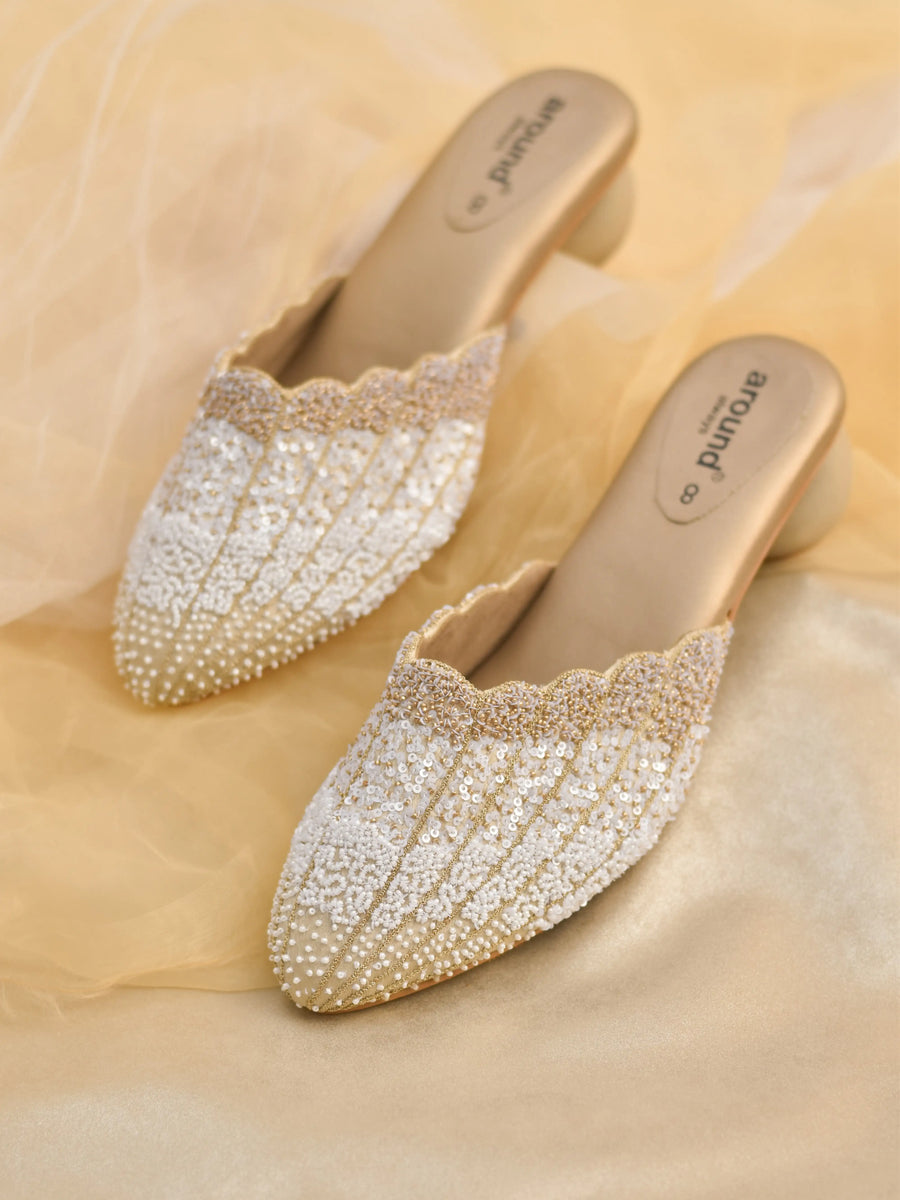
5. Think About Wedding Photography. Bridal shoes appear in many close-up photographs. Choose a pair that looks as considered as the rest of your look. Details such as embroidery, pearl work, or personalised elements add a layer of meaning that photographs well.
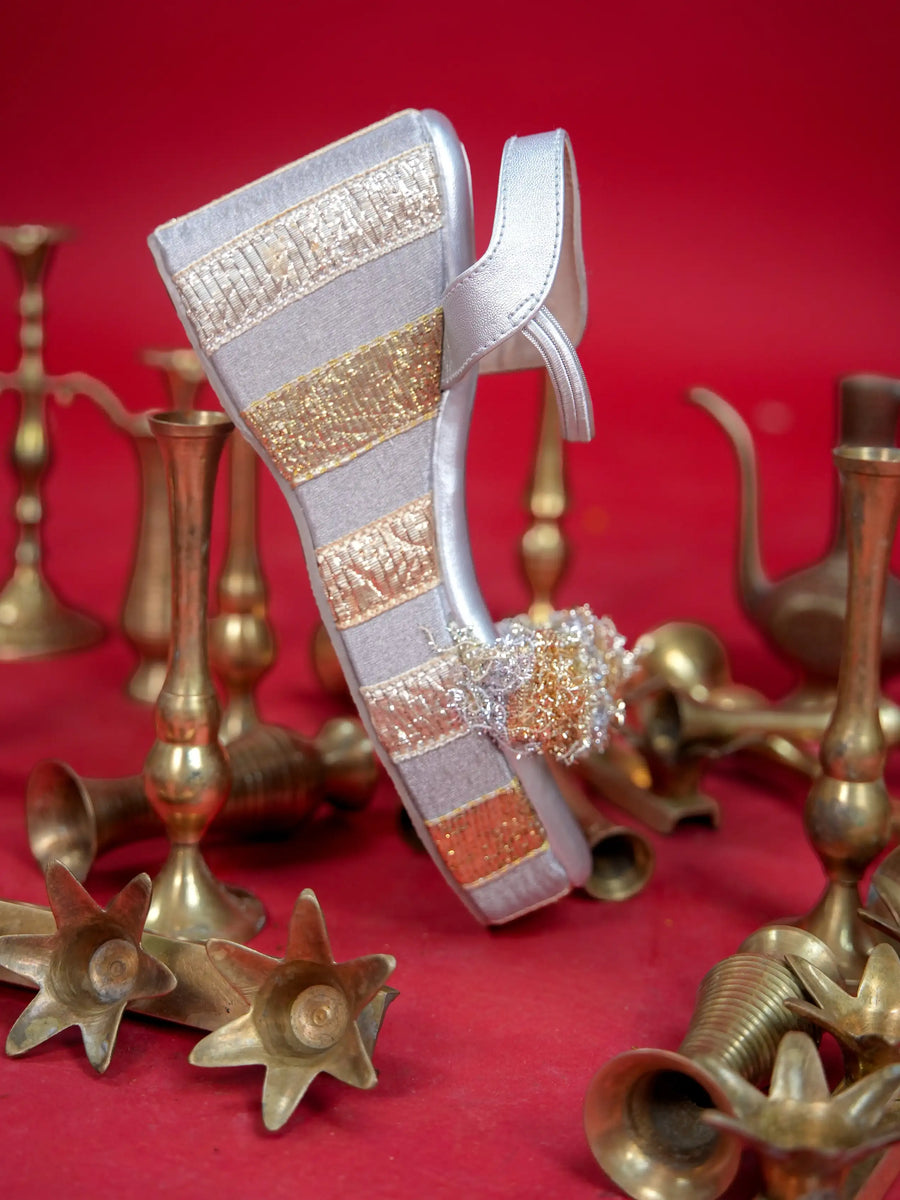
6. Choose Stability Over Extreme Height. If your venue has uneven flooring, grass, or soft ground, stilettos are a risk. Ethnic wedges and block heels provide height and stability without the danger of a narrow heel on unpredictable surfaces.
7. Coordinate Shoe Tones with Your Jewellery. Match the metallic tone of your shoe ornaments to your jewellery, whether gold, silver, kundan, or polki. These small details create the difference between a look that is well-thought-out and one that feels assembled in a rush.
8. Personalise for a Special Touch. Consider customising with your initials, wedding date, or a short message on the sole or strap. This makes your shoes a personal keepsake that retains meaning long after the celebration ends.
9. Pack a Shoe Care Kit. Include band-aids, gel pads, and blister prevention in your bridal bag. Even well-fitted, broken-in shoes can cause discomfort over a very long day.
10. Choose Shoes You Can Wear Again. A good pair of embellished heels or ethnic wedges can be styled with other ethnic and fusion outfits well beyond the wedding. Thinking ahead about versatility is a practical investment.
The Don'ts: Mistakes to Avoid When Choosing Indian Wedding Shoes
1. Don't Follow Trends Blindly. Not every trending style suits every foot shape or every outfit weight. Prioritise comfort and fit over a shoe that is popular on social media but impractical for a ten-hour celebration.
2. Don't Wear Shoes That Pinch or Slip. Shoes that are too tight cause swelling over long events. Shoes that are too loose increase the risk of tripping. Always choose a comfortable yet secure fit and confirm this by walking around in them, not just standing.
3. Don't Forget About Your Mehendi. If your mehendi is freshly applied and intricate, avoid shoes with tight or textured straps that sit directly on the henna. Allow the design to dry and set fully before wearing anything that touches it.
4. Don't Ignore the Venue. Different venues require different footwear decisions. A beach wedding calls for flat sandals. A palace venue with historic flooring needs a stable sole. A banquet hall with smooth marble is the best environment for a classic heel.
5. Don't Let Your Shoes Compete with Your Outfit. If your lehenga or saree is heavily embellished with shimmer and threadwork, choose a more understated shoe. The footwear should complement the outfit, not compete with it for attention.
6. Don't Shop by Brand Name Alone. A well-known brand does not guarantee the right fit. Walk around in several pairs, test them on varied flooring, and confirm comfort before purchasing. Fit and craftsmanship matter more than the label.
7. Don't Choose Poor-Quality Materials. Synthetic materials retain heat and moisture, which becomes genuinely uncomfortable during long events. Choose leather, velvet, silk, or fabric uppers for breathability and long-term comfort.
8. Don't Skip the Trial Run with Your Outfit. Wear your chosen shoes with your actual wedding lehenga or saree at least once before the wedding day. Confirm the heel height works with the hem length and the overall look feels right in motion, not just on a shop floor.
9. Don't Leave Shoe Shopping to the Last Minute. Allow enough time to try multiple pairs, break them in, and make any adjustments. Last-minute shoe shopping usually means compromising on fit or comfort.
10. Don't Stress. Make the Decision and Move On. Shoe shopping should be enjoyable. Once you have found a pair that fits well, looks right with your outfit, and feels comfortable to walk in, that is your pair. Overthinking this decision rarely improves it.
What to Wear as a Wedding Guest: Choosing Shoes for an Indian Wedding
Choosing shoes as a wedding guest at an Indian wedding involves a slightly different set of considerations from bridal footwear. You need shoes that work across a potentially long event, suit the formality of the occasion, and look elegant without drawing attention away from the bridal party. Embellished sandals and block heels in gold or silver are the most universally appropriate choices and cover everything from pre-wedding daytime functions to evening receptions. Browse our Indian wedding guest footwear for styles suited to every function type.
For Indian weddings with outdoor ceremonies on lawns or garden settings, flat embellished sandals or low wedges are far more practical than narrow heels. If the venue is a banquet hall or indoor space, heeled sandals and embellished flats both work well. Confirm the dress code if you are unsure: a more traditional wedding calls for more traditionally styled footwear, while modern destination weddings allow a wider range of styles.
One practical consideration for wedding guests that is often overlooked: many Indian wedding venues require removing shoes before entering certain ceremony spaces, particularly mandap areas or indoor religious settings. Wearing shoes that slip off and on easily makes this much more comfortable.
Frequently Asked Questions
What shoes to wear to an Indian wedding as a guest?
Embellished sandals in gold or silver are the most versatile and widely appropriate choice for Indian wedding guests. Block heel sandals suit evening functions and formal receptions. Flat embellished sandals or low wedges are the best choice for outdoor events, garden weddings, or beach celebrations. Avoid shoes that require significant time to take on and off, as many Indian ceremony spaces require removing footwear.
What are the most comfortable shoes for a long Indian wedding?
Ethnic wedges and block heels with cushioned soles are the most comfortable choices for Indian weddings lasting six hours or more. They distribute weight evenly across the foot, which reduces fatigue significantly compared to stilettos. Embellished flats and bridal sneakers are the most comfortable option of all, particularly for the dancing-heavy sangeet function.
Can you wear heels to an Indian wedding?
Yes. Heels are appropriate and common at Indian weddings for both brides and guests. Block heels and kitten heels are the most practical heel choices for long functions because they provide stability on varied surfaces. Stilettos are best reserved for indoor events on flat, stable floors. For outdoor ceremonies on grass or uneven ground, wedges or flat sandals are safer.
Conclusion
Getting the suitable wedding ceremony shoes is not pretty much appearance—it is also approximately fashion, comfort, and characteristic. Begin your search earlier, experiment with numerous patterns, and upload custom information to lead them to even greater significance.
Looking for the best bridal footwear? Browse our series, schedule an appointment, or follow us for more suggestions on bridal styling!