
How to Choose Wedding Shoes You Can Wear for 8 to 12 Hours
Choose wedding shoes with a broad, stable base and a cushioned insole first, then worry about heel height and embellishment. Indian wedding days often stretch across rituals, photos, dinner, and dancing, so the shoe that feels fine at hour one needs to hold up at hour ten too. Match the shoe to each stage of the day instead of picking one pair for everything. This guide breaks down exactly how to choose wedding shoes that stay comfortable across a full 8-to-12-hour celebration.
Quick answer: Pick a wide, stable sole over a thin heel, break the shoes in before the wedding, and plan for at least one footwear change between the ceremony and the dance floor.
Why Do Wedding Shoes Get Uncomfortable Over Long Hours?
Discomfort usually comes from three things: a narrow heel base that concentrates your body weight on a small area, a stiff unworn sole that hasn't softened to your foot, and little or no arch support during hours of standing.
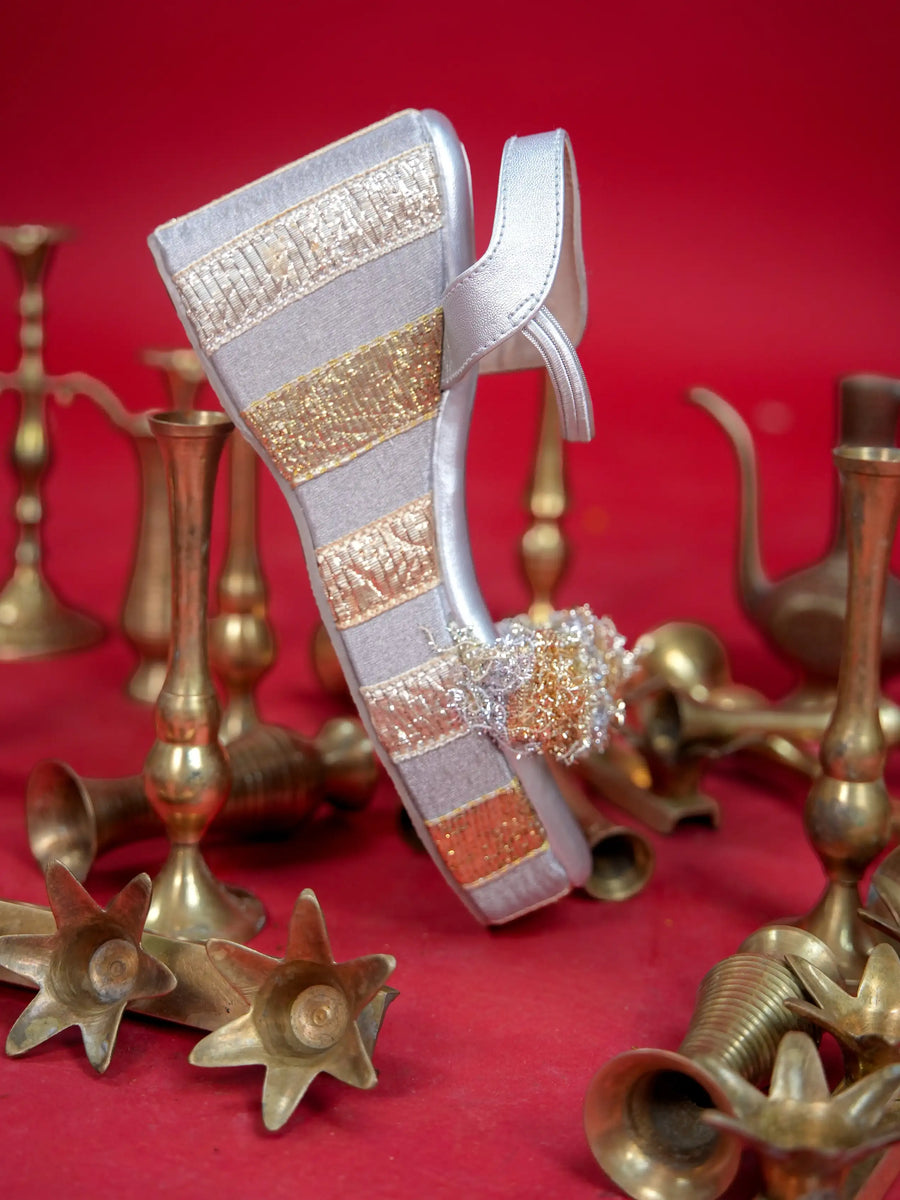
A thin stiletto heel pushes most of your weight onto a very small point of contact, which is why feet tire faster in heels than in a broad-based block heel or wedge. A wide sole spreads that same weight across a larger surface instead.
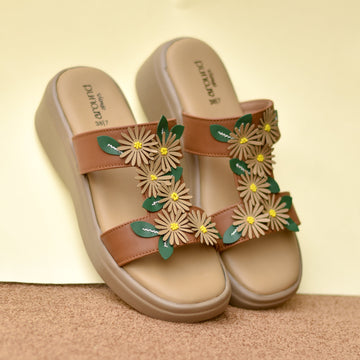
This isn't just general advice, it's how we at Around Always build ethnic wedges for women, designed with a wider base specifically because it distributes weight more evenly and reduces foot fatigue across a long ceremony day.
Quick Comparison: What Actually Holds Up for 8 to 12 Hours
Here is how common wedding shoe styles compare across a full wedding day.
|
Shoe Type |
Standing Comfort |
Dancing Comfort |
Outdoor Stability |
Best For |
|
Stiletto heel |
Low for extended wear |
Difficult |
Poor on grass/soil |
Seated reception moments |
|
Block heel |
Good |
Good |
Good |
Ceremony and sangeet |
|
Wedge |
Very good |
Good |
Very good |
Outdoor mandap, lawns |
|
Flat / jutti |
Excellent |
Excellent |
Good |
Haldi, mehendi, long rituals |
|
Sneaker |
Excellent |
Excellent |
Good |
Sangeet, after-party dancing |
How Should You Match Shoes to Each Stage of the Day?
Different parts of an Indian wedding need different shoes, since haldi and mehendi involve sitting, ceremonies involve standing, and sangeet involves dancing.
Morning Rituals: Haldi and Mehendi

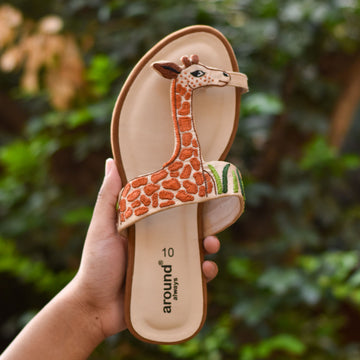
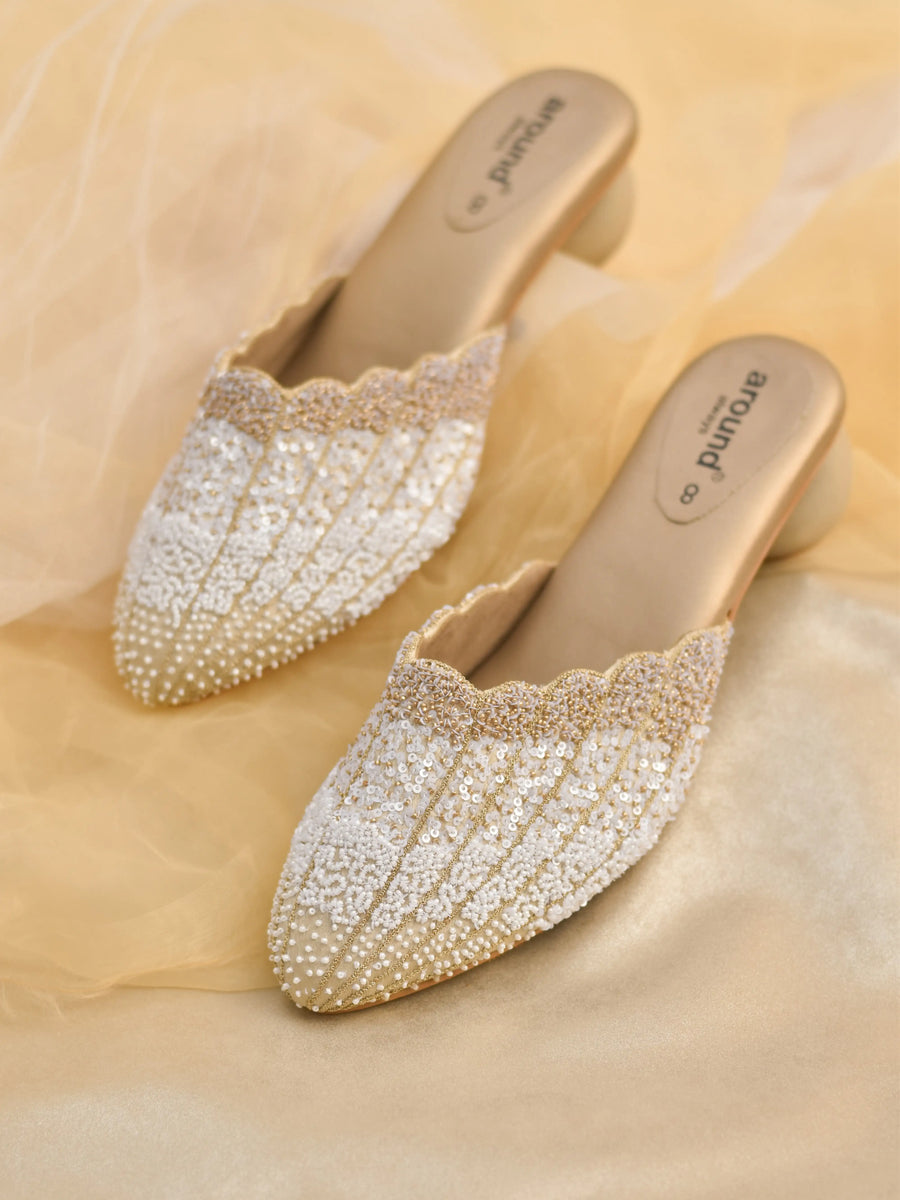
Product - Kinjal Multicolor Sandals
You will sit on the floor and get up repeatedly during haldi and mehendi. Flats, juttis, or slip-on sandals work best here, since they are easy to remove and turmeric or mehendi paste won't ruin an expensive pair.
Ceremony and Photos

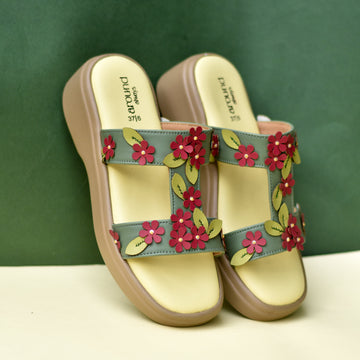
Product - Yuva Peep Toe Sandals
This stage means standing for the pheras, walking to the mandap, and posing for pictures. A block heel or wedge gives you height for photos without the instability of a thin heel.
Sangeet and Reception

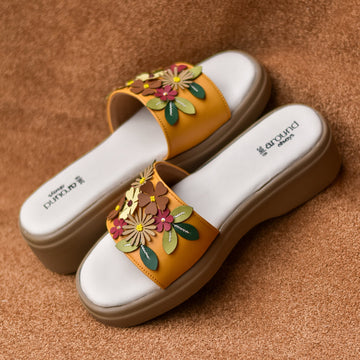
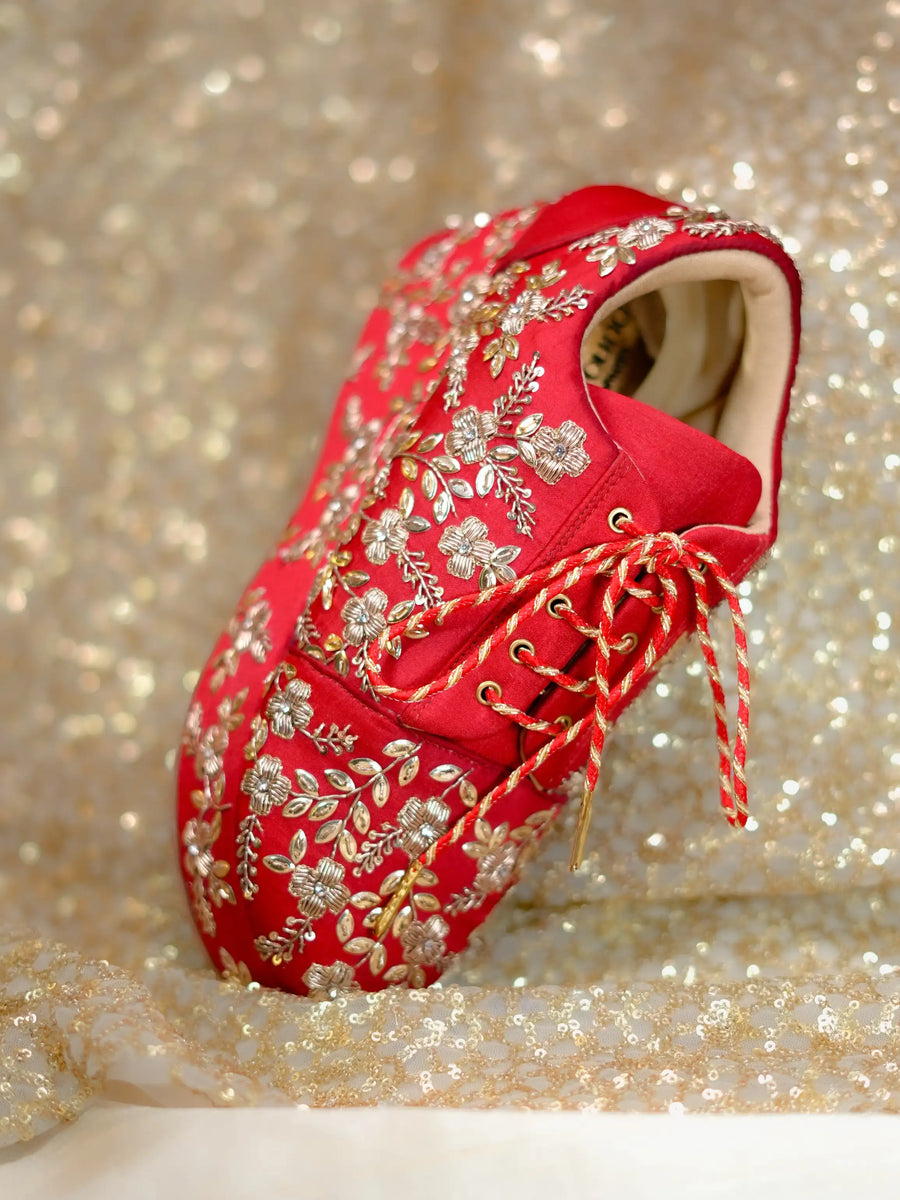
Product - Mia Sneaker Wedges
Dancing is the priority here. Women Bridal sneakers or a low, flexible heel let you move freely without sacrificing the festive look of the evening.
Does Heel Height Really Matter for All-Day Comfort?
Yes, but sole width matters just as much as heel height. A low heel on a narrow base can feel worse than a slightly taller heel with a wide, stable platform.
Wedding planning experts consistently advise brides to test their comfort level with heels well before the big day, since a wedding is the wrong time to try wearing heights you don't normally walk in.
Bridal footwear guides also point out that venue and comfort should be decided before style, since the wrong base can undo an otherwise beautiful shoe over a long day.
Should You Plan a Shoe Change During the Wedding?
Many brides carry more than one pair across an Indian wedding, since the outfit, surface, and activity change from function to function.
For a full breakdown of what to wear at each function, our wedding function footwear guide for haldi, sangeet, and reception covers this in more detail. A heel for the ceremony and a flatter pair for the dance floor is a simple, practical combination.
How Do You Break In Wedding Shoes Before the Big Day?
Wear your wedding shoes at home for short stretches, starting a few weeks before the wedding, so the material softens and adjusts to your foot shape.
- Wear them indoors for 15 to 30 minutes a day, gradually increasing the time.
- Walk on different surfaces at home, including stairs, to test grip and comfort.
- If a pair still feels tight after breaking in, custom sizing and fit adjustments can solve most comfort issues before the wedding.
- Keep a small repair kit handy, including insoles or blister pads, for the wedding day itself.
Final Thoughts
Choosing wedding shoes for 8 to 12 hours comes down to matching the shoe to the stage of the day and prioritising a stable, cushioned base over height alone. No single pair does everything perfectly, which is exactly why planning a shoe change is often the more comfortable choice. If you're still exploring options, browsing the full bridal footwear collection at Around Always can help you compare styles built for long wedding days before you decide.
Frequently Asked Questions
What is the most comfortable shoe type for a full wedding day?
Block heels, wedges, and flats generally outperform thin heels for 8-to-12-hour wear, since their broader base distributes weight more evenly.
Should I choose a lower heel for long ceremonies?
Not necessarily. Sole width matters more than heel height alone. A stable low block heel and a stable wedge can both work well for long hours.
How early should I break in my wedding shoes?
Start a few weeks before the wedding, wearing them indoors in short sessions so the material softens before the actual event.
Do I need different shoes for different wedding functions?
Many brides do. Haldi and mehendi call for easy slip-on flats, while the ceremony and sangeet often need more supportive footwear.
Are wedges better than heels for outdoor Indian weddings?
Yes, generally. A wedge's continuous sole handles grass, soil, and uneven mandap platforms better than a narrow stiletto heel.
Choosing wedding shoes for 8 to 12 hours comes down to matching the shoe to the stage of the day and prioritising a stable, cushioned base over height alone.
If you are still exploring options, browsing our full bridal footwear collection at Around Always, It can help you compare styles built for long wedding days before you decide.