
Wedding Function Footwear Guide for Brides: Haldi, Sangeet, Reception and Wedding Day
Most Indian brides need three pairs of shoes to get through wedding week comfortably: a flat or low heel for haldi, a stable block heel, wedge or sneaker wedge for sangeet and carnival night, and your primary bridal pair for the wedding ceremony - which you can rewear or swap for a statement pair at reception. Each function runs on different logic: turmeric and low seating at haldi, hours of dancing at sangeet, a fashion-forward fusion look at carnival night, and the longest stretch of continuous wear on the wedding day itself. This guide breaks down exactly what to wear, and what to avoid, at each function, plus how to keep your feet comfortable through all of it.
Quick Reference: Bridal Footwear by Function
|
Function |
Best Footwear |
Why |
|
Haldi |
Flats, Kolhapuri chappals, washable slip-ons |
Turmeric stains leather and fabric permanently; comfort matters more than looks here |
|
Sangeet |
Block heels (2.5‑3.5″), sneaker wedges |
Needs a wide, stable base for hours of dancing and choreography |
|
Carnival / Cocktail Night |
Cocktail heels, Indo-Western heels |
Most fashion-forward function; also a safe night to break in a new pair |
|
Wedding Day |
Bridal heels, sandals or bridal sneakers matched to the lehenga |
Longest wear, most photographs, and the widest mix of surfaces |
|
Reception |
Strappy heels, statement heels, or an embellished flat |
Final, most glamorous look - the ceremony pair already did the hard work |
Haldi: Practical First, Pretty Second

Haldi is the one function where footwear doesn't need to be precious. Turmeric paste stains leather, fabric and suede permanently, so the right pair here is comfortable, easy to slip off, and not one you plan to wear again at the ceremony.
The turmeric application itself is a Punjabi and North Indian pre-wedding rite, sometimes called Mayian, Vatna or Ubtan depending on region, where the paste is rubbed onto the face, arms and legs the day before the wedding (source: Wikipedia). That's exactly why it ends up on your shoes too.
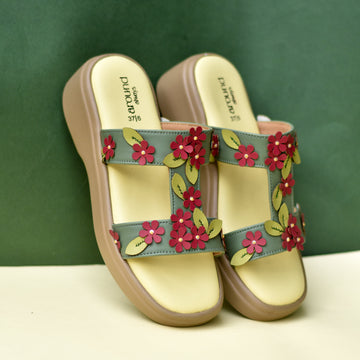
● Bridal flats in yellow, mustard, or earthy tones - the colour suits the ceremony, and any staining is far less visible
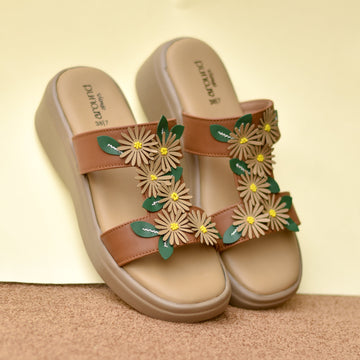
● Flat Kolhapuri chappals in simple designs - breathable, light, and practical for outdoor floors and low seating
● Embroidered slip-ons in washable fabric - comfortable for two to three hours on the floor while the paste is applied
● Avoid white, ivory, gold, or any pair meant for the wedding day or reception. Turmeric doesn't wash out.
Sangeet: Your First Real Statement

Sangeet is the function where footwear choices go wrong most often. A stiletto looks beautiful standing still but gets exhausting within an hour of dancing. The brief here is a heel stable enough for choreography and comfortable enough to forget you're wearing it.
Sangeet, Sanskrit for “sung together,” began as a Punjabi and North Indian pre-wedding custom of singing and dancing and has since spread across most Indian wedding traditions (source: Wikipedia), which is exactly why so much of the night is spent on your feet.
● Block heels in gold or rose gold between 2.5 and 3.5 inches - wide base for stability, enough height for lehenga length in photographs
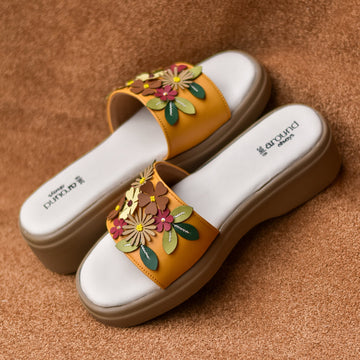
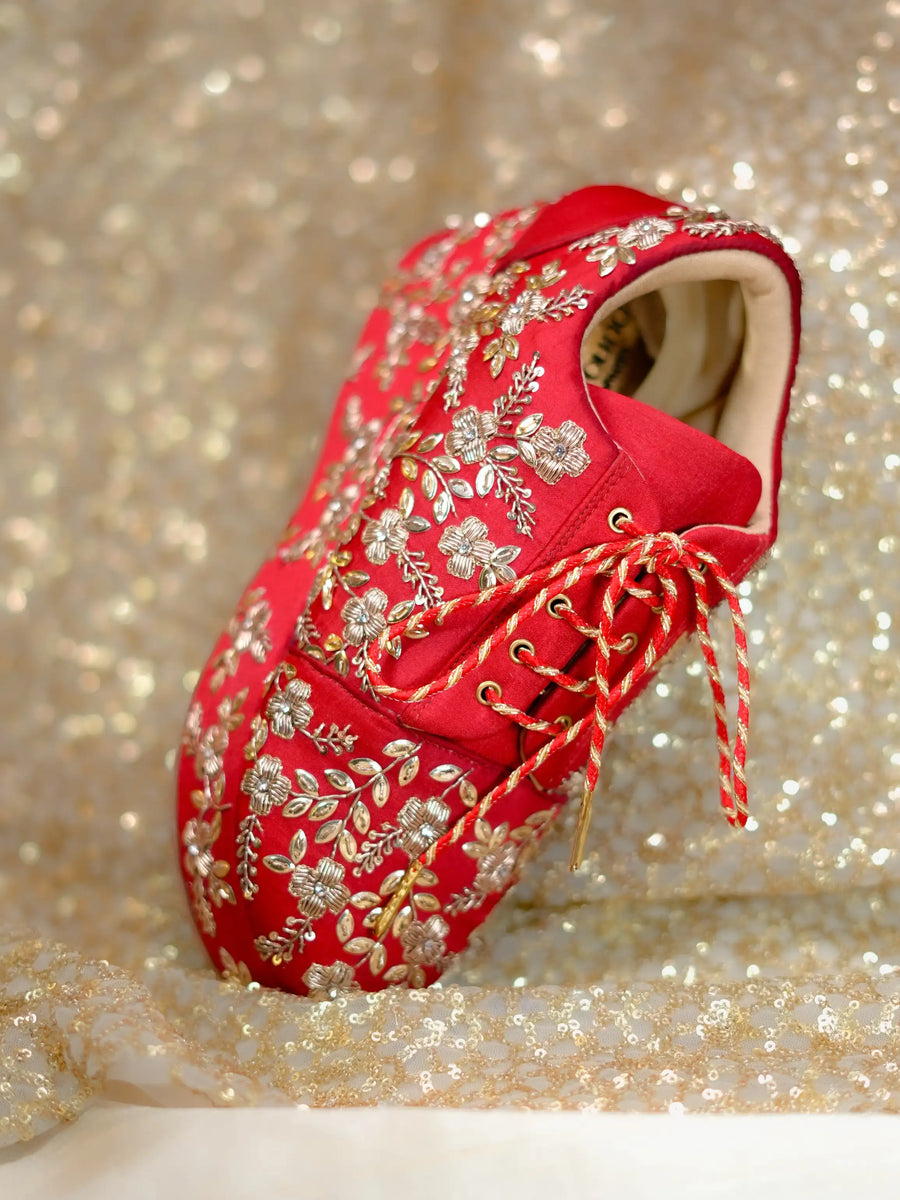
● Sneaker wedges or bridal sneakers - the modern choice for brides who want full movement without giving up height
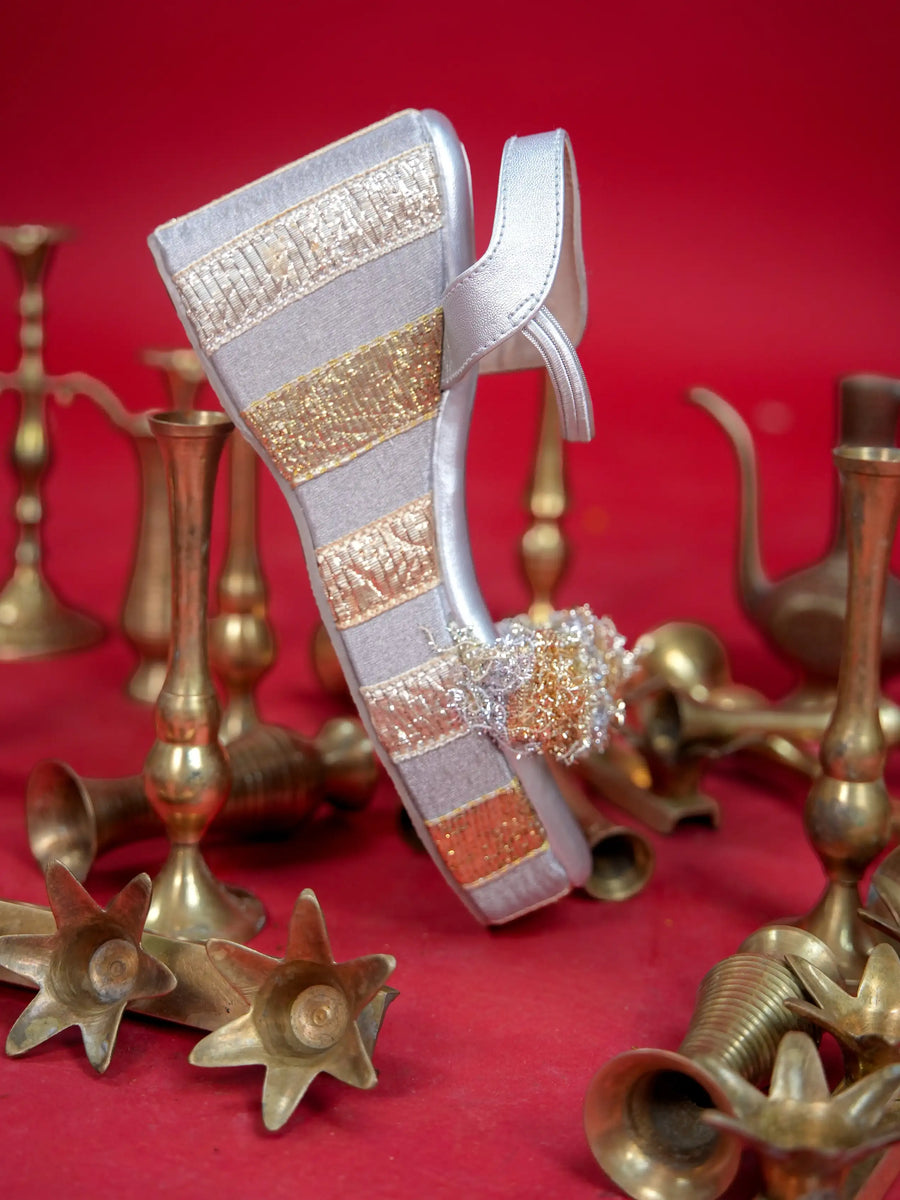
● Wedges for outdoor sangeet venues - stable on grass and uneven flooring where a stiletto will sink
● An ankle strap makes a real difference with any heel worn for more than two hours - it keeps the shoe secure through hours of performance
Carnival Night (Cocktail Night): Your Most Fashion-Forward Function

Carnival, or cocktail, night is the most fashion-forward function of the wedding week - the Indo-Western or fusion evening where brides can step furthest from traditional bridal footwear.
● Cocktail heels with crystal, pearl or metallic detailing - a sharper silhouette than traditional bridal sandals, built for gowns and fusion lehengas
● Indo-Western heels in nude, champagne or a bold statement colour - pairs with a range of fusion outfits without competing with the embroidery
● Avoid heavily embroidered ethnic footwear here. A sleek strap or minimal heel lets the modern outfit lead
● This is also a good function to debut a new pair, since it runs shorter than the wedding day and any break-in discomfort surfaces early
Wedding Day: The Most Important Pair You Own

The wedding ceremony is where footwear sees the most photographs, the longest hours, and the most varied surfaces. Outdoor mandaps, stone temple floors, decorated stages and reception halls can all happen on the same day, so comfort and appearance both have to hold through all of it.
● Indian Bridal heels in gold, ivory or red matched to the lehenga's blouse or border colour - matching the blouse reads better in photographs than trying to match the entire fabric
● Indian Bridal sandals in a wedge or block heel if dancing carries on long after the pheras
● Indian Bridal sneakers in embroidered or white - the right choice for outdoor ceremonies, beach venues, and brides who put comfort first through longer rituals
● Break the pair in at home for three to four days before the wedding. Don't open the box on the morning of the ceremony.
If your lehenga has very specific embroidery or colour, we can customise the pair to match exactly, so the shoe is built for that day and that outfit, rather than pulled from your wardrobe and hoping for the best.
Reception: One Final Statement

The reception is the last evening of wedding celebrations. Most brides use it to switch into their most glamorous pair, since the wedding ceremony shoes have already carried the day's hardest hours.
● Footwear for a gown or contemporary lehenga: a sleek strappy heel in silver, champagne or bold contrast works better here than a heavily embroidered ethnic pair
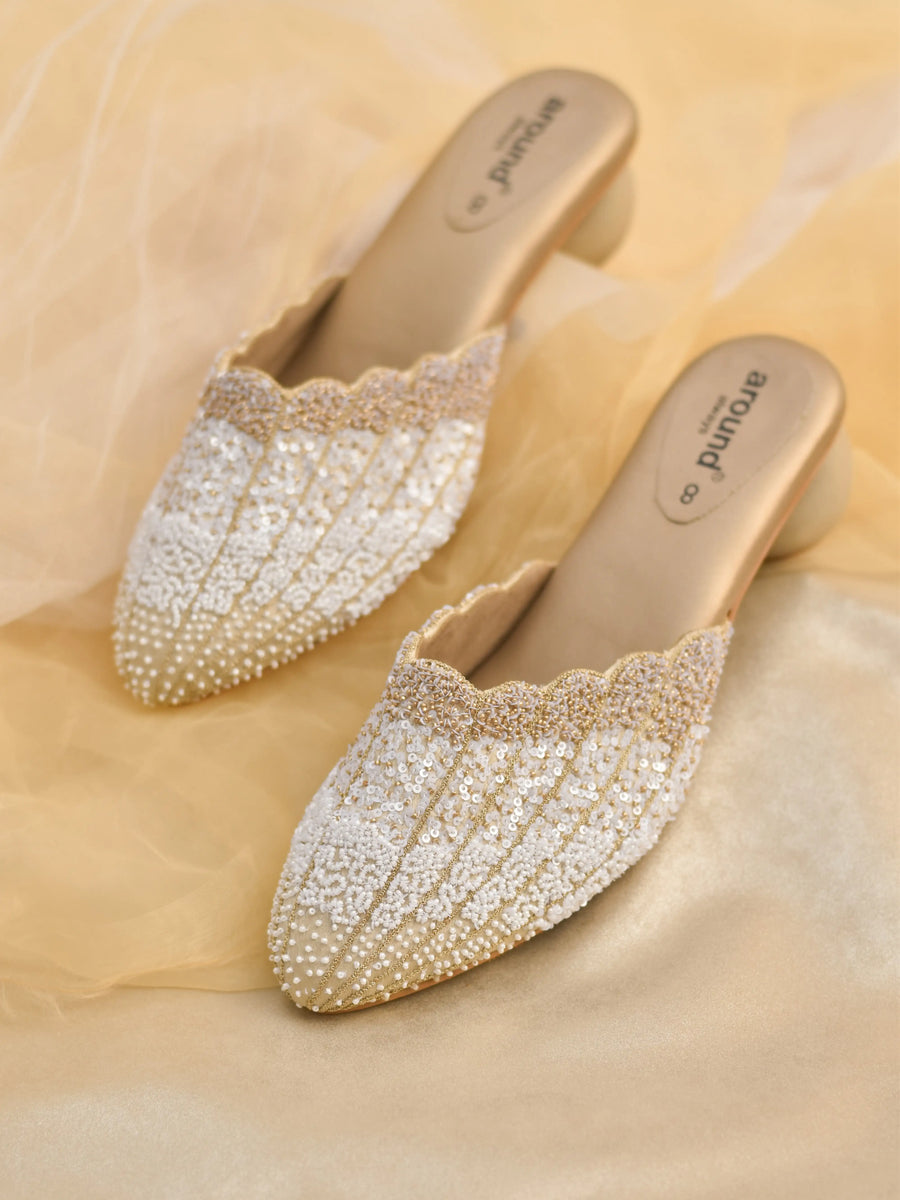
● Statement reception heels in crystal or metallic - the pair you held back from the ceremony because it felt too much for daytime
● If three days of functions have tired your feet, an embellished flat at reception isn't a compromise. Photographs look much the same either way, and most guests won't notice.
The Three-Pair Formula That Covers Every Function
Three pairs cover a typical Indian wedding schedule.
● Pair one: a flat or low heel for haldi, and as a backup at any function where your feet need a break
● Pair two: a block heel, wedge, or sneaker wedge for sangeet, carnival night, and any dancing function
● Pair three: your main bridal pair for the wedding ceremony, worn again or swapped for a statement pair at reception
Conclusion
An Indian wedding week asks a lot from your feet, and brides who plan footwear function by function generally have a more comfortable week than those who rely on one pair to do everything. A flat for haldi, a stable heel or sneaker for sangeet and carnival night, and your most important pair saved for the ceremony so it arrives on the day untouched and properly worn in - that's the whole formula.
At Around Always, we build bridal footwear for exactly this kind of week. Browse the full bridal collection, get in touch to customise a pair for a specific function, or explore more wedding style guides on the blog.
Frequently Asked Questions
What heel height works best for sangeet?
Block heels between 2.5 and 3.5 inches work well. The wide base gives stability during dancing, and the height complements lehenga or sharara length in photographs. Add an ankle strap if you're wearing the heel for more than two hours.
Can a bride wear bridal sneakers on the wedding day?
Yes - embroidered or white bridal sneakers suit outdoor ceremonies and longer pheras where comfort matters as much as appearance. Wear them at home in short stretches for a week before the day.
Should reception shoes be different from wedding day shoes?
They can be, and switching gives reception photographs a different look. If you're wearing a gown or fusion outfit, a sleeker heel or strappy sandal works better than an embroidered ethnic pair.
My heels hurt after two hours. What can I do?
Wear them at home in short stretches over two weeks, add a gel insole or heel pad, and keep a flat pair accessible at the venue. Many brides switch to a backup pair at some point across a multi-day wedding, so keeping one nearby isn't a compromise.
What shoes should you never wear to haldi?
Avoid white, ivory, gold, or any expensive pair meant for the wedding day or reception. Turmeric stains leather and fabric permanently and won't wash out regardless of how quickly you clean it.