
How to Clean and Store Juttis After Your Wedding
Clean your juttis with a dry or barely damp cloth, never soak them, and let them air dry away from direct sunlight before storing. Once dry, keep them in a breathable dust bag or box stuffed with tissue paper, not a sealed plastic bag, since trapped moisture damages both leather and embroidery. Different materials need slightly different handling: leather, embroidered fabric, and velvet each react differently to cleaning and storage. This guide walks through the full process, so your wedding juttis stay in good condition long after the last function is over.
Quick answer: Spot clean gently, air dry fully away from heat and sunlight, then store in a breathable bag with tissue paper stuffing to hold their shape. Avoid plastic bags and prolonged sun exposure.
Jutti Care by Material: Quick Reference Table

Different jutti materials need slightly different handling. Here's a quick reference before you start.
|
Material |
Cleaning Method |
Drying |
Storage Note |
|
Leather |
Wipe with a barely damp cloth; never soak |
Air dry away from direct heat |
Condition every few months to prevent cracking |
|
Embroidered fabric / zari |
Dry brush or soft cloth only; spot clean with care |
Air dry in shade, away from sunlight |
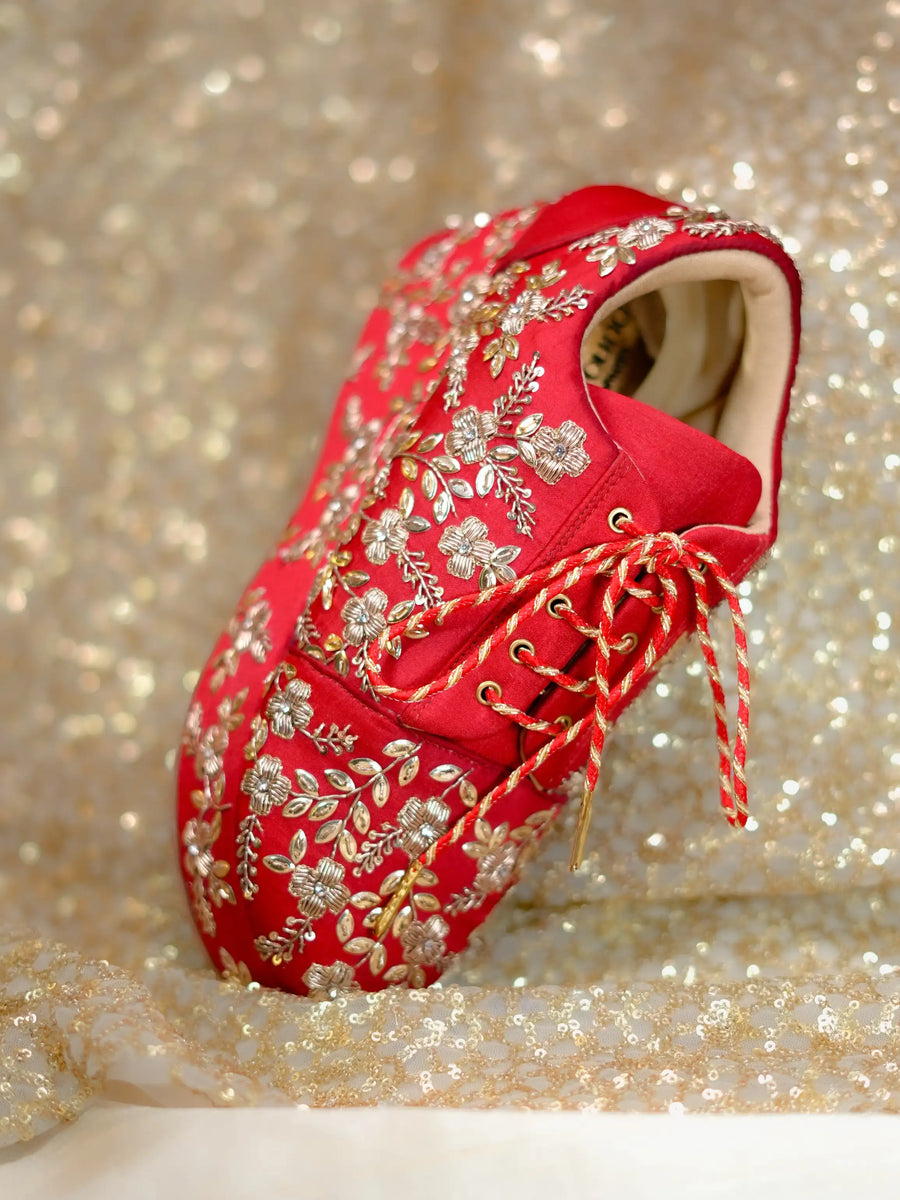
Keep flat or stuffed with tissue to protect threadwork |
|
Velvet or brocade |
Soft brush in the direction of the pile |
Air dry away from heat |
Store in a breathable bag to prevent crushing the pile |
How Should You Clean Juttis Before Storing Them?
Dust off surface dirt with a soft, dry cloth first. For actual stains, use a barely damp cloth or a cotton swab with a little diluted mild detergent, working gently rather than scrubbing.
Never soak juttis in water or run them through a wash. Leather can stiffen and crack, and embroidery threads can loosen or fray with soaking.
This spot-cleaning approach is the standard recommendation across jutti-care specialists, largely because hand washing tends to loosen embroidery threads and leave leather stiff once it dries out. For heavily embellished pairs with delicate zardozi or mirror work, a professional dry-cleaner is generally a safer bet than attempting it at home.
How Should You Dry Juttis Properly?

Always let juttis air dry naturally. Keep them away from direct sunlight and away from artificial heat sources like a hairdryer or heater.
Direct heat and prolonged sun exposure dry out leather and cause it to crack over time, and can fade embroidery colours. A shaded, well-ventilated spot works best, even if it takes a little longer.
How Should You Store Juttis Long-Term?
Store juttis in a breathable dust bag or their original box, never in a sealed plastic bag. Plastic traps moisture, which can lead to mould or a musty smell over time.
-
Stuff each jutti with tissue paper to help it hold its shape while in storage.
-
Keep the storage spot cool and dry, away from direct sunlight and damp areas.
-
Avoid stacking heavy footwear on top of stored juttis, since pressure can crush embroidery or velvet pile.
Bridal footwear brands echo the same routine once the last function wraps up: clean and condition first, then pack the pair away properly, since a jutti or mojri that's cared for tends to have a life well beyond the one wedding it was bought for.
Common Mistakes That Damage Juttis After a Wedding

-
Storing them while still slightly damp, which invites mould and a lingering odour.
-
Using a sealed plastic bag instead of a breathable one, trapping moisture inside.
-
Yanking the jutti off by the heel instead of using your hands, which stretches and misshapes the back over time.
-
Leaving them in direct sunlight, whether while drying or in storage, which fades colour and dries out leather.
Can You Wear Your Wedding Juttis Again?
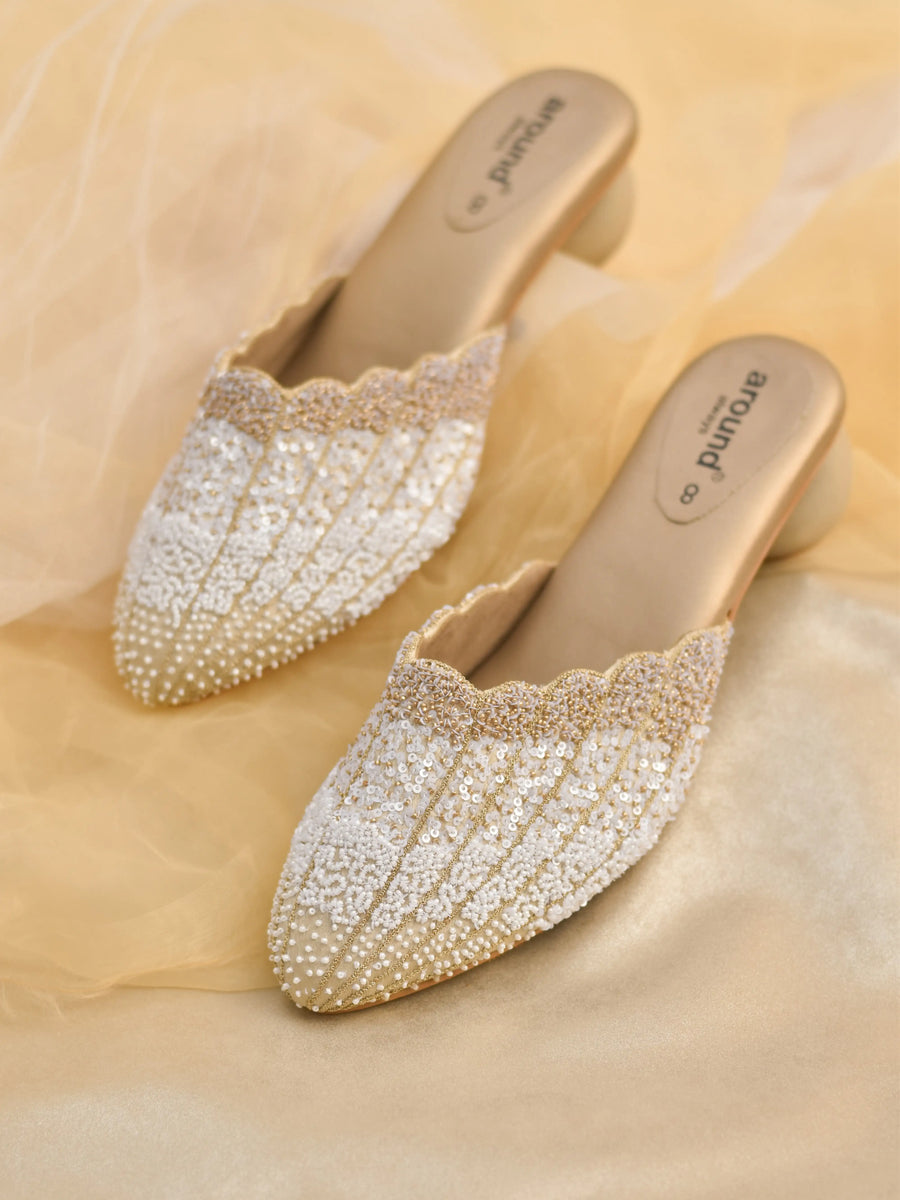
Yes. Juttis are not a one-event shoe. Once cleaned and properly cared for, embroidered and leather juttis work well for other festive occasions like Diwali, family functions, or future weddings.
If your wedding week involved more than one pair, our wedding function footwear guide for haldi, sangeet, and reception is worth a look too, since each pair may need slightly different care depending on how it was used across the week.
Conclusion
A little care after the wedding goes a long way. Clean gently, dry fully away from heat, and store in a breathable bag with tissue paper stuffing, and your juttis will be ready for the next celebration instead of sitting forgotten at the back of a cupboard.
If you're shopping for your next pair, explore bridal flats and juttis for brides or the groom's jutti and mojari collection for grooms, both handcrafted at Around Always's Kolkata studio.
Frequently Asked Questions
Can leather juttis be washed with water?
No. Leather should not be soaked or washed with water. Use a barely damp cloth for gentle cleaning and let it air dry naturally afterward.
How do I remove odour from stored juttis?
Air them out in a shaded, ventilated spot before storing, and keep a small moisture-absorbing sachet inside the storage bag or box.
Is plastic bag storage safe for juttis?
No. Plastic traps moisture against the material, which can lead to mould, a musty smell, and leather damage over time. A breathable dust bag or box is safer.
How often should juttis be cleaned?
Light dusting after each wear is enough. Deeper spot cleaning is only needed when the surface looks visibly dull or stained.
Can embroidered juttis be dry cleaned?
Yes, and for heavily embellished pairs with delicate zardozi, mirror work, or beading, professional dry cleaning is often safer than cleaning them at home.