
Monsoon Wedding Footwear Guide for Indian Brides
For a monsoon wedding, prioritise a broad, grippy sole over a thin heel, choose synthetic or treated materials over delicate hand embroidery, and pick closed or strappy styles over open sandals that slip when wet. Stilettos are the single worst choice for any outdoor monsoon venue, since a thin heel sinks into wet grass and slides on wet marble equally badly. Every part of an Indian wedding, from haldi to the sangeet dance floor, needs slightly different footwear when rain is involved. Here's what actually holds up, function by function, and what to avoid.
Quick answer: For monsoon weddings, choose wedges, block heels, or bridal sneakers with a broad, grippy sole over stilettos, pick synthetic or treated materials over delicate hand-embroidered fabric, and avoid open sandals without straps on wet or muddy surfaces.
Monsoon Wedding Shoes: Quick Comparison

Here's how common bridal shoe styles hold up specifically in monsoon conditions.
|
Shoe Type |
Grip on Wet Surfaces |
Material Tolerance to Rain |
Best Suited Venue |
|
Stiletto heel |
Poor, thin heel sinks and slips |
Depends on upper, but instability is the bigger risk |
Indoor only, avoid entirely for outdoor monsoon venues |
|
Block heel |
Good, broad base holds better |
Moderate to good, depending on material |
Indoor mandap or covered outdoor areas |
|
Wedge |
Very good, full sole contact |
Good, especially with treated soles |
Outdoor lawns and uneven monsoon terrain |
|
Jutti or flat |
Good, low centre of gravity |
Depends heavily on fabric used |
Indoor rituals like haldi and mehendi |
|
Bridal sneaker |
Very good, made for movement |
Good if uppers are synthetic or treated |
Sangeet, reception, any function with dancing |
Which Materials Actually Survive Monsoon Weather?

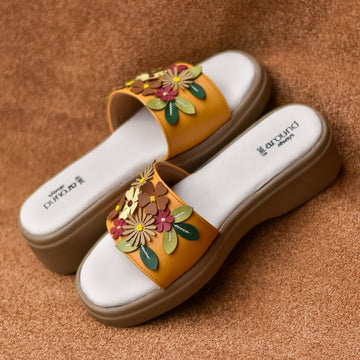
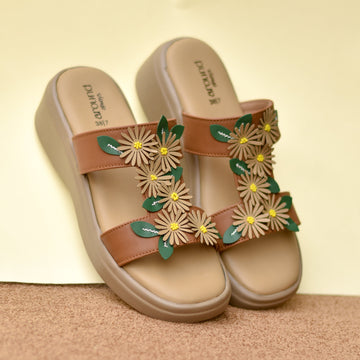
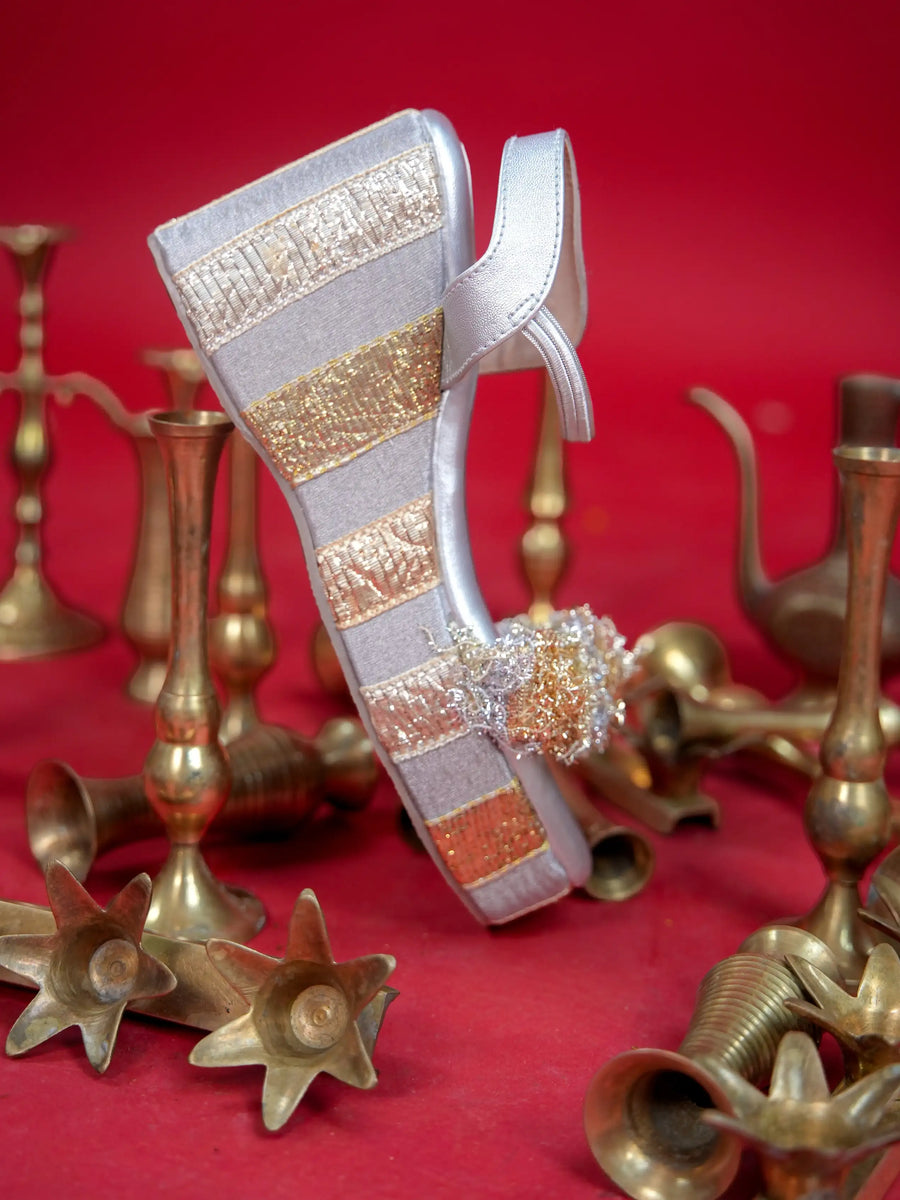
Buy - Buttercup Wedges
Synthetic uppers and treated leather tolerate rain far better than delicate hand embroidery, since moisture is genuinely damaging to certain traditional embellishments, not just uncomfortable.
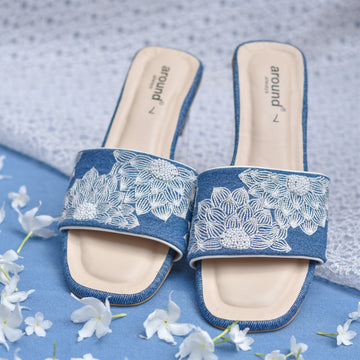
The reason comes down to what these threads are actually made of. Zari and zardozi rely on genuine metallic elements, not just coloured thread, and moisture is what causes metal to tarnish and eventually loosen from the fabric over time, which is why embroidery specialists treat water exposure as damage to avoid rather than something you can simply towel off afterward. If your outfit or footwear has heavy zari work, monsoon conditions are exactly the situation to plan around rather than risk.
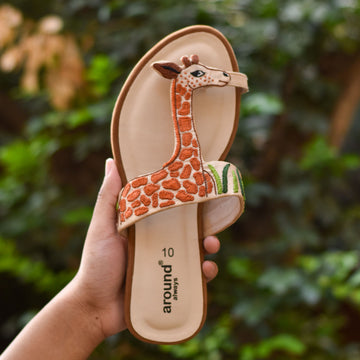
This is a genuine reason to consider ethnic wedges with simpler detailing or a treated finish over a heavily embroidered pair for the outdoor portions of a monsoon wedding, saving the delicate embellishment for indoor functions.
Why Does Sole Grip Matter More Than Style in the Rain?
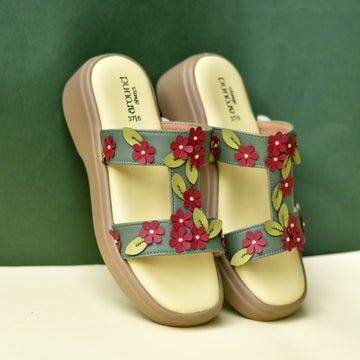
 Buy - Adah Wedges
A broad, textured sole keeps far more contact with wet marble, tiled floors, or muddy grass than a thin heel does, which is why grip matters more than height or embellishment once rain enters the picture.
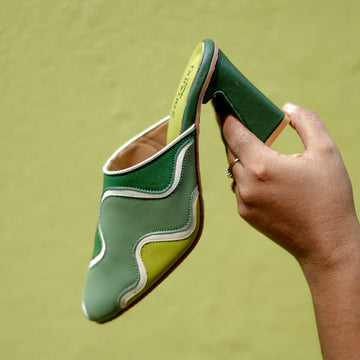
A stiletto concentrates your full weight onto a tiny point of contact, so on a wet or muddy surface, that same point either sinks in or slides out, sometimes both in the same step. A wedge or block heel spreads weight across a much wider footprint, which is simply more stable on any wet surface.
Open-Toe vs Closed-Toe: What's Actually Safer in the Rain?

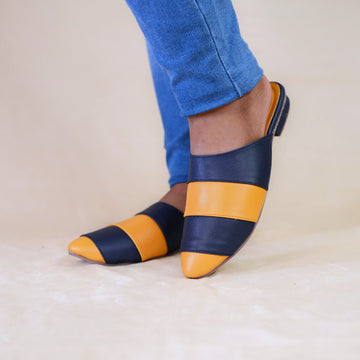
Closed or securely strapped shoes are generally safer in the rain than open sandals, since an unstrapped open sandal can slide right off a wet foot.
Stylists advising on monsoon-season Indian weddings tend to agree on this point specifically, calling out unstrapped sandals as one of the more avoidable footwear mistakes once wet flooring is a factor, in favour of anything with a strap or a fully closed back.
Monsoon Footwear by Wedding Function
Haldi and mehendi are usually seated, indoor rituals, so a simple flat or jutti works well and keeps turmeric or mehendi paste off anything expensive. The ceremony itself often means walking to the mandap, so a wedge or block heel offers height without the instability of a thin heel on possibly wet ground.
The sangeet or reception usually means dancing, so bridal wedding sneakers or a low, grippy heel make more sense than anything delicate. For a fuller function-by-function breakdown beyond just monsoon considerations, our wedding function footwear guide for haldi, sangeet, and reception covers this in more detail.
How Do You Protect Embellished Shoes from Rain Damage?
Keep embroidered or zari-detailed shoes for indoor portions of the wedding, and switch to simpler, weather-tolerant pairs for any outdoor or exposed sections.
-
Carry a spare pair in a bag for the outdoor-to-indoor transition, rather than risking one pair across the whole day.
-
Avoid direct water contact with metallic embroidery altogether rather than trying to dry it out afterward.
-
If comfort and weather-resistance are the priority for your whole day, custom colour and material choices let you pick a sturdier finish while still matching your outfit.
Sturdy leather styles are also worth a look for outdoor monsoon functions specifically. Our Kolhapuri chappals guide covers another traditional option that tends to hold up well outdoors, thanks to its simpler leatherwork compared to heavily embroidered styles.
Conclusion
Monsoon weddings don't have to mean compromising on style, but they do call for genuinely different footwear choices than a dry-season wedding. Prioritise sole grip and weather-tolerant materials first, and let colour and embellishment come second for anything you'll wear outdoors.
If you're planning your footwear around monsoon conditions, browsing the full bridal wedding footwear collection at Around Always can help you compare grip-friendly, weather-tolerant styles before your wedding day.
Frequently Asked Questions
What is the best type of shoe for a monsoon wedding?
Wedges, block heels, or bridal sneakers with a broad, grippy sole generally work best, since they offer more stability than a stiletto on wet or muddy surfaces.
Can I wear heavily embroidered shoes to a monsoon wedding?
It's safer to reserve heavily embroidered or zari-worked shoes for indoor functions, since metallic embroidery threads can tarnish or weaken when they get wet.
Are open sandals a bad choice for monsoon weddings?
Generally, yes, especially without straps. An open sandal can slip off a wet foot far more easily than a closed or securely strapped shoe.
Do I need different shoes for different wedding functions during monsoon season?
It helps. Indoor rituals like haldi and mehendi suit simple flats, while outdoor ceremonies and dancing at the sangeet call for more stable, grippy footwear.
Why do stilettos perform so badly in the rain?
A stiletto's thin heel concentrates your full body weight onto a tiny point, which sinks into wet or muddy ground and slides on wet hard surfaces far more easily than a broader sole.