
10 Types of Indian Footwear Every Woman Should Know (2026 Guide)
The ten Indian footwear styles every woman should know are juttis, Kolhapuri chappals, mojaris, Peshawari chappals, padukas, bridal sneakers, embellished flats, block heels, wedges, and eco-friendly footwear. Juttis and mojaris are the go-to pick for pairing with sarees and lehengas at the ceremony itself. Kolhapuri chappals and Peshawari chappals suit daytime and outdoor functions. Wedges and flats carry brides through long, multi-hour celebrations, while bridal sneakers are built specifically for a sangeet night of dancing. Which one is "best" comes down to your outfit, the venue, and how many hours you'll be on your feet.
Quick Reference: Indian Footwear at a Glance
|
Footwear Type |
Origin |
Best Paired With |
Ideal For |
|
Juttis |
Punjab & Rajasthan |
Silk sarees, lehengas, anarkalis |
Wedding ceremony, mehendi, haldi |
|
Kolhapuri Chappals |
Maharashtra & Karnataka (GI-tagged) |
Cotton, Chanderi, handloom sarees |
Daytime and outdoor functions |
|
Mojaris |
Rajasthan (Mughal-era design) |
Brocade sarees, sherwanis, lehengas |
Formal ceremonies |
|
Peshawari Chappals |
Peshawar region (now Pakistan) |
Kurta-pyjama, dhoti-kurta |
Outdoor weddings (mainly menswear) |
|
Padukas |
Ancient India |
Traditional ceremonial attire |
Heritage-style weddings |
|
Bridal Sneakers |
Modern Indian bridal fashion |
Lehengas, sarees, sherwanis |
Sangeet, dancing-heavy events |
|
Embellished Flats |
Pan-India |
Chiffon, georgette sarees |
All-day functions, guests |
|
Block Heels |
Modern Indian bridal fashion |
Silk, Banarasi sarees |
Sangeet, reception |
|
Wedges |
Modern Indian bridal fashion |
Lehengas, sarees, gowns |
Outdoor weddings, long functions |
|
Eco-Friendly Footwear |
Contemporary, sustainable |
Any ethnic outfit |
Eco-conscious brides and grooms |
1. Juttis
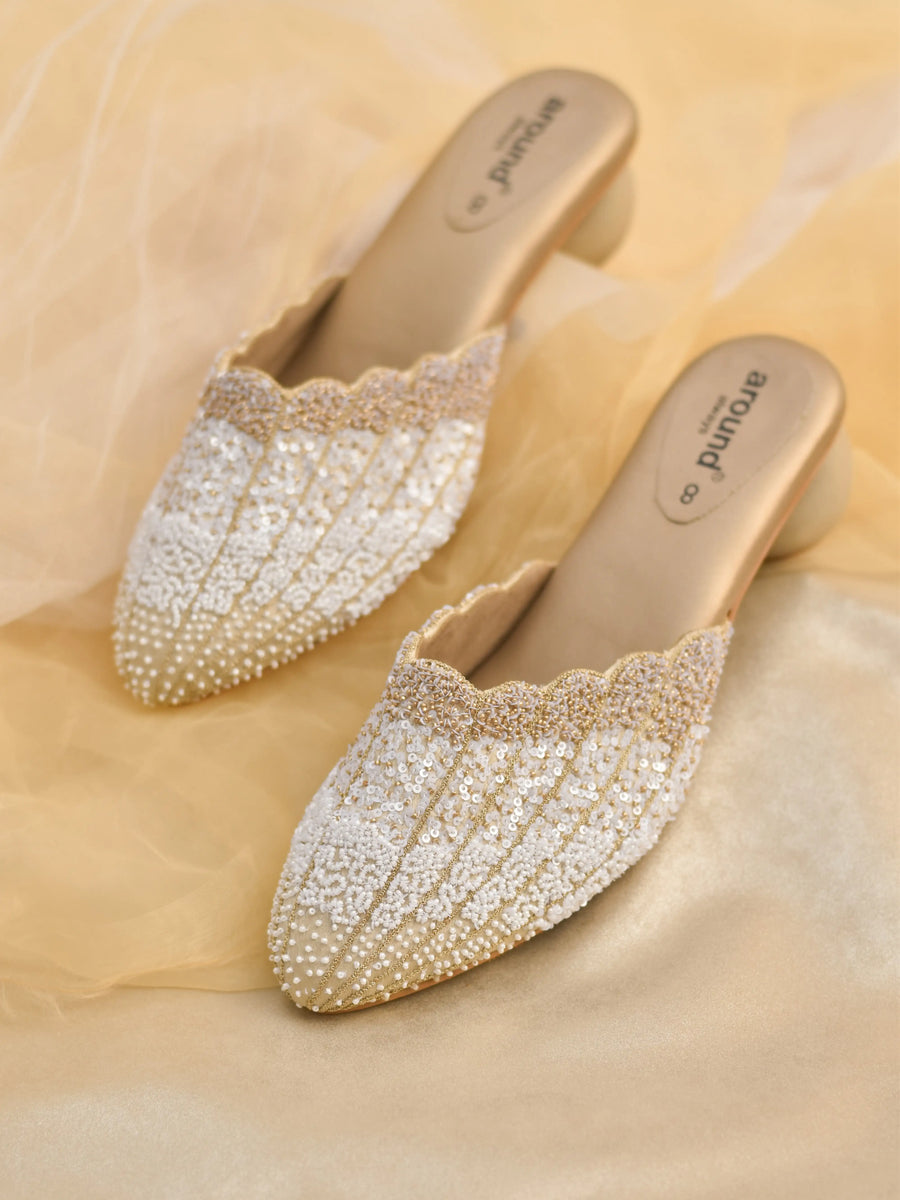
Juttis are flat, closed-toe shoes that originated in Punjab and Rajasthan, hand-crafted from leather or fabric and finished with silk-thread embroidery, mirror work, zari, or beadwork. A heavily embroidered pair in gold or ivory suits a wedding ceremony; a simpler, more colourful pair works just as well for mehendi or haldi. Many brides choose juttis with embroidery that echoes their lehenga or anarkali, which keeps the whole outfit coordinated.
They pair naturally with everything from Banarasi and Kanjeevaram silk sarees to heavy lehengas and indo-western outfits. Contemporary versions add a block heel or a small kitten-heel lift, giving the traditional silhouette some height without losing the ethnic look.
2. Kolhapuris
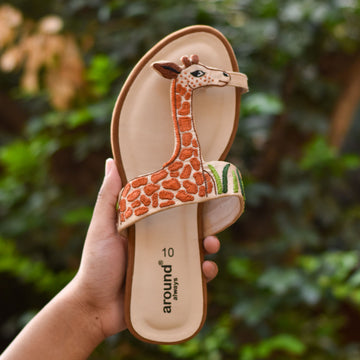
Kolhapuri chappals are handcrafted leather sandals known for their flat profile, braided leather straps, and vegetable-dye tanning. They carry a Geographical Indication (GI) tag, granted in 2019 to producers across four districts of Maharashtra (Kolhapur, Sangli, Satara, Solapur) and four districts of Karnataka (Belagavi, Dharwad, Bagalkot, Bijapur) — so authentic Kolhapuris trace back to both states, not Maharashtra alone.
Their rustic leather texture pairs well with cotton, Chanderi, and handloom sarees without overwhelming lighter fabrics, which makes them a solid pick for mehendi, haldi, and outdoor events where comfort matters most. Modern versions with block heels and metallic finishes have made them popular for pre-wedding functions too. Browse our Kolhapuri heels for the heritage silhouette with a heeled lift.

3. Mojaris
Mojaris look closely related to juttis but are easy to tell apart by their curled, upward-pointed toe, a design that traces back to Mughal court fashion. Traditionally made from fine leather and embroidered with gold or silver thread, they were worn by royalty, and that same formality carries through to mojaris made today. Their structured, ceremonial look pairs well with heavy brocade sarees, sherwanis, lehengas, and anarkalis.
For grooms, mojaris remain one of the most traditional choices, an ivory or gold pair works well with an achkan or bandhgala sherwani (see our men's wedding shoes). The simplest way to remember the difference: juttis are the everyday, versatile option; mojaris are the dressier, more ceremonial one.
4. Peshawari Chappals
Peshawari chappals take their name from Peshawar, a city now in Pakistan's Khyber Pakhtunkhwa province, though the style has long been popular across North India too. They're built with broad, overlapping leather straps and a thick sole, giving them more structure and support than most flat sandals. Primarily worn by men, they suit grooms and male guests who want something practical, and they pair well with kurta-pyjamas, dhoti-kurtas, and indo-western outfits.
Their flat, sturdy sole handles uneven ground better than heels or pointed shoes, which makes them a sensible pick for outdoor weddings and daytime functions. Women's versions with embroidery and embellishment are increasingly available too.
5. Padukas
Padukas are among the oldest forms of Indian footwear, referenced in Hindu texts and traditionally worn by sages and priests. These wooden sandals, held on with a knob or peg between the toes, were originally carved from teak, rosewood, or ivory. They're rarely worn day-to-day now, but designers have revived them for heritage-style weddings and bridal shoots: hand-carved versions in silver, lacquered wood, or inlaid brass show up as trousseau pieces with real cultural weight behind them.
6. Sneakers
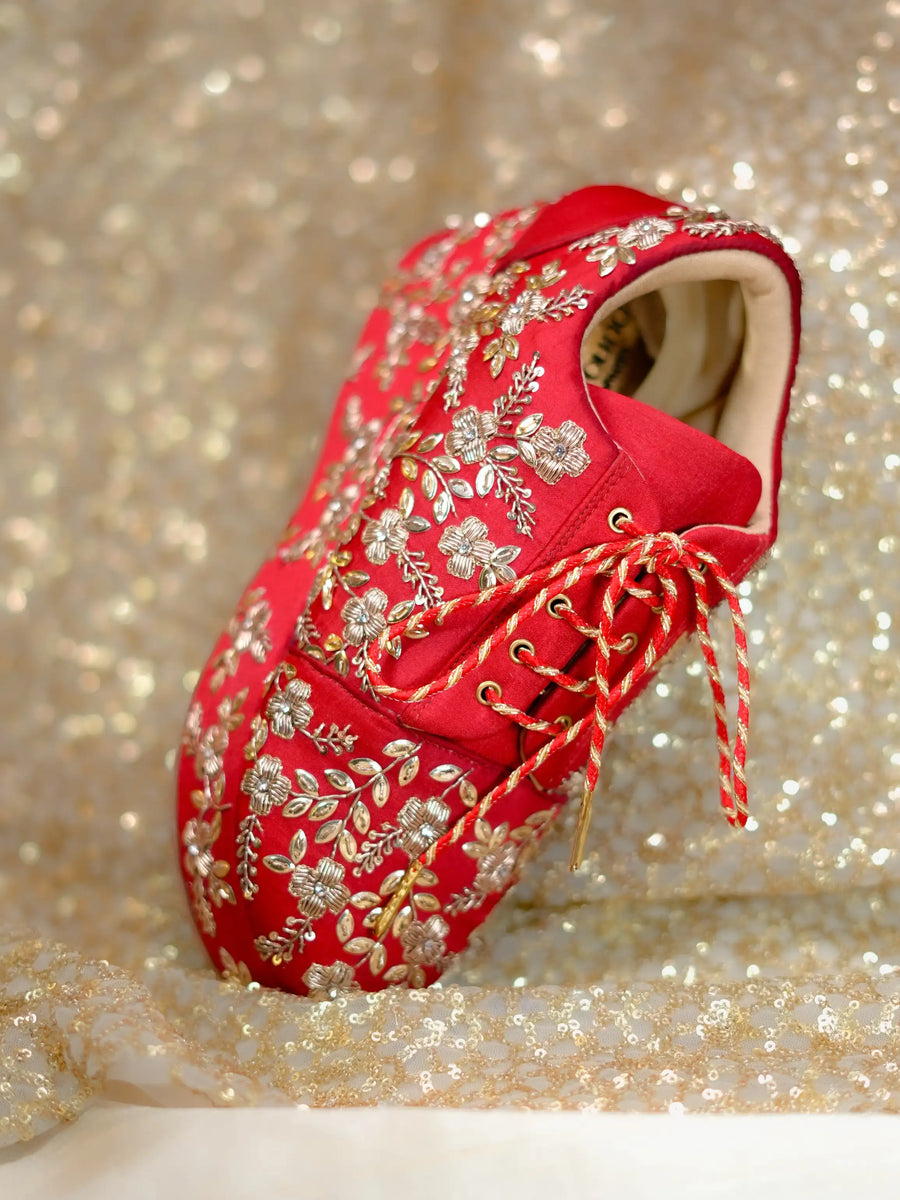
Bridal sneakers are one of the newer additions to Indian wedding footwear, and they've caught on fast at sangeet functions. Hand embroidery, sequins, zardozi, and mirror work make them visually comparable to a heeled shoe, with a lot more comfort. Sangeet nights often run four to six hours of dancing, and sneakers are the one footwear type on this list built to handle that without foot pain by the end of the night.
Explore our bridal sneakers for women if you want the embroidery and shine of a traditional shoe with sneaker-level comfort.

7. Flats
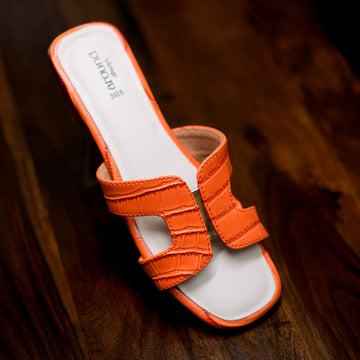
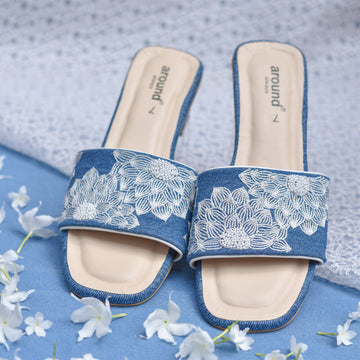
Embellished flats, decorated with pearls, beads, zari, or mirror work, are a practical option for functions that run all day. Bridesmaids, family members, and guests often choose them because they hold up through hours of standing and walking without the discomfort of a heel.
They pair well with chiffon and georgette sarees, since the lighter fabric drapes more naturally when the wearer can move freely. If you want the comfort of a flat with a bit more ornamentation, our bridal flats collection has pearl and mirror-work options.

8. Heels
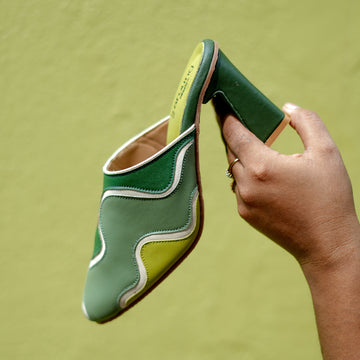
Heels remain a classic pick for brides who want extra height, from delicate kitten heels to full stilettos. Zardozi, kundan, and crystal embellishments are common on heels made for sangeet and reception looks. Block heels are a widely chosen style for weddings because they give height and visual impact while staying stable across long ceremonies and uneven venue floors.
A gold block heel tends to pair well with silk or Banarasi sarees, while a strappy kitten heel suits lighter chiffon or georgette. Whatever style you pick, a cushioned sole and an ankle strap matter more for comfort than heel height does, especially past the three-hour mark. Our white wedding heels has several block-heel options built with this in mind.

9. Wedges
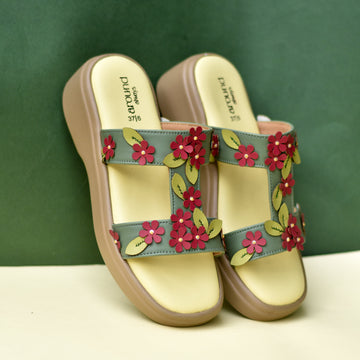
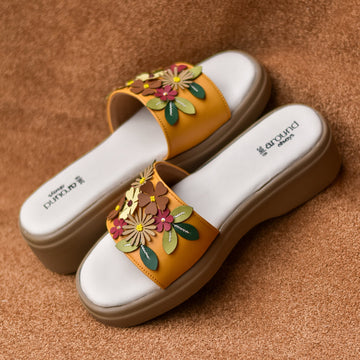
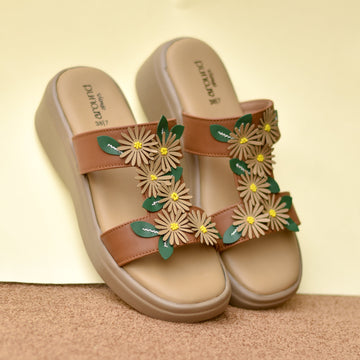
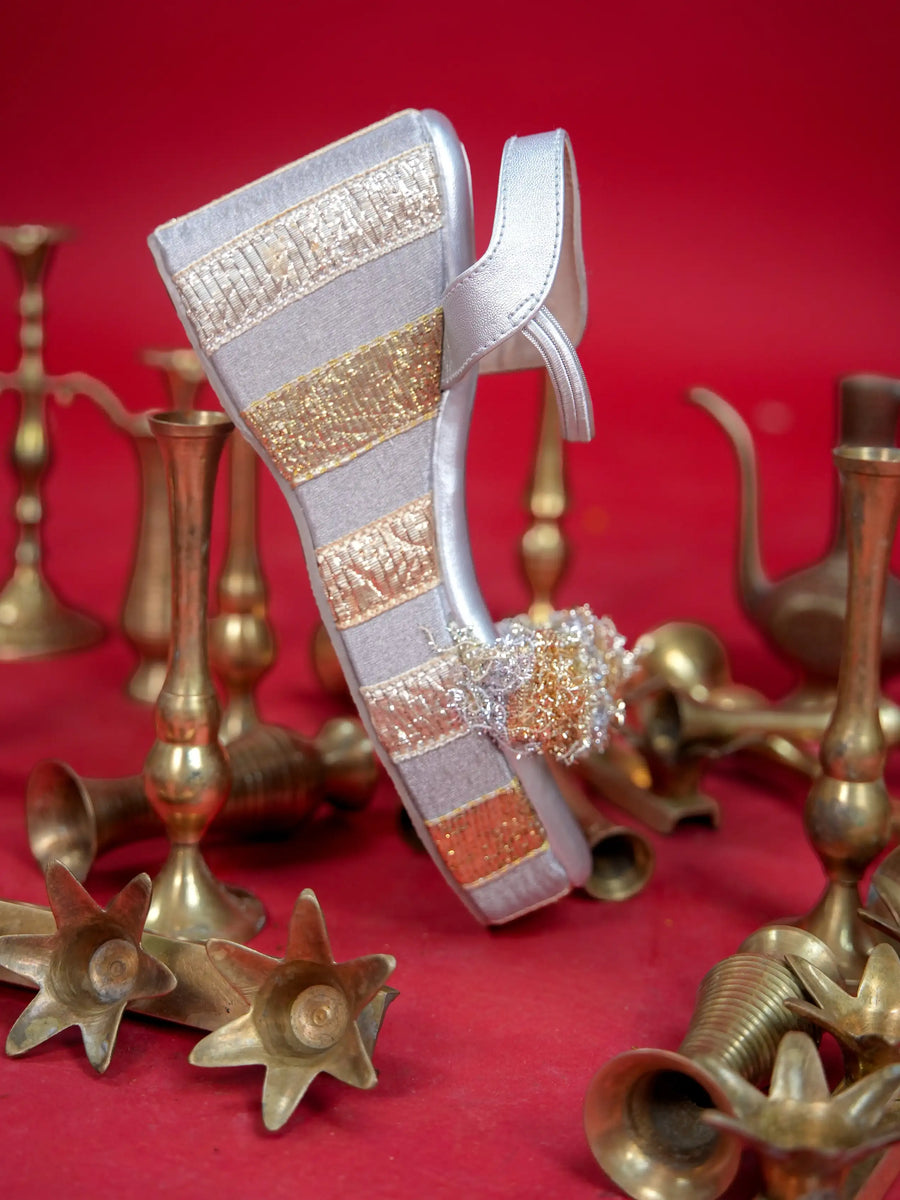
Wedges spread body weight across the whole foot instead of concentrating it on a narrow heel, which is why they hold up better through six-to-eight-hour wedding functions than a stiletto does. Mirror work, thread embroidery, and metallic finishes are common on ethnic wedges, and they pair well with lehengas, sarees, and indo-western gowns.
They're also the more practical choice for lawns and gardens: a narrow heel sinks into soft ground, a wedge doesn't. Check out our wedges for women for styles built specifically for outdoor and all-day wear.

10. Eco-Friendly Footwear
Eco-friendly wedding footwear, made from vegan leather, organic cotton, or jute, is becoming more available as sustainability gets more attention in Indian fashion. Some brands now use biodegradable materials, natural dyes, and recycled embellishments. If ethics matter to you as much as style, it's worth asking any brand you're considering (including our own casual and everyday footwear) what materials and finishing processes they use.
Conclusion
Understanding different types of Indian footwear helps in choosing the right pair for every occasion, balancing tradition with comfort. Investing in versatile styles ensures that wedding shoes can be reused for future events, maximizing their value. Customization and craftsmanship continue to make Indian footwear special, with modern trends blending seamlessly with heritage designs. Whether opting for traditional mojaris, trendy sneakers, or sustainable choices, there’s a perfect pair for everyone, making each step down the wedding aisle stylish and meaningful.
Frequently Asked Questions
What are Indian shoes called?
Traditional Indian footwear goes by regional names depending on style and origin. The most common are juttis (Punjab and Rajasthan), mojaris (Rajasthan, Mughal-influenced), Kolhapuri chappals (Maharashtra and Karnataka), and Peshawari chappals (originally from Peshawar). Together, these form the core of what's usually called traditional Indian footwear: handcrafted shoes rooted in regional artisan traditions.
What is the difference between juttis and mojaris?
Juttis are flat, closed-toe shoes with a rounded front, worn by both men and women across North India. Mojaris have a curled, upward-pointed toe inspired by Mughal court design and read as more formal. Both are hand-embroidered, but mojaris have a grander, more structured silhouette, which is why they're the traditional pick for weddings, while juttis work for both everyday and formal ethnic wear.
Which Indian footwear works best with sarees?
Block heels, ethnic wedges, and embellished flats are the most versatile options for sarees. Juttis work well with Banarasi and Kanjeevaram silk. Kolhapuri chappals suit cotton and handloom sarees for daytime events. For heavier silk or reception sarees, a gold block heel or wedge adds height without the stability risk of a stiletto during a long function.
What is the most comfortable Indian wedding footwear?
Ethnic wedges, bridal flats, and bridal sneakers are generally the most comfortable choices for functions running six hours or more. Wedges distribute weight evenly, flats remove heel pressure entirely, and sneakers allow free movement, which matters most during a dancing-heavy sangeet. If you want a heel, look for a block heel with a cushioned sole and ankle strap.