
Significance of the Lal Paar Saree from West Bengal (2026)
No matter how much Indian fashion evolves, the Bengali traditional saree endures as something irreplaceable. Indian attire has long been associated with elegance, modesty, and grace, and we have dozens of distinct sarees and even more ways to drape them because of our country's diverse cultural landscape. Among them, the Lal Par Saree or Laal Paar Saree holds a place of deep reverence in Bengali life. It is not simply a garment. It is a statement of identity, devotion, and heritage worn by Bengali women at some of the most meaningful moments of their lives.
Durga Puja is perhaps the occasion most associated with the Lal Paar Saree, where it becomes a near-universal sight across Bengal. But its significance extends well beyond one festival. This guide covers the cultural meaning of the Lal Par Saree, the range of fabrics it comes in, how to style and drape it in the traditional Bengali way, and the right footwear to complete the look.
Why Red and White? The Cultural Significance of the Lal Par Saree
The combination of red on white carries deep meaning in Bengali tradition. White represents purity, while red symbolises fertility and prosperity. A white or off-white saree with a red border and red pallav is the traditional choice of married Bengali women for devotional events, religious ceremonies, and commemorative occasions. The Lal Par Saree is rarely just a fashion decision. It is a cultural statement.
The saree is typically worn alongside specific accessories that carry their own symbolic weight: white bangles made from conch shells, known as "shakha," and red coral bangles known as "pola," along with red sindoor on the forehead. These accessories together form a complete visual language of marital status and Bengali identity. Removing any one element changes the nature of the look significantly.
Types of Lal Par Saree: Fabrics and Weaving Traditions
The Lal Par Saree is not a single fabric or weaving tradition. It exists across a wide spectrum of materials and prices, from simple cotton sarees available for a few hundred rupees to exquisite silks that can cost several thousands. The choice of fabric depends on the occasion, the season, and personal preference.
Tant Sarees
Tant sarees are among the most widely worn Lal Par varieties. They have a white or off-white cotton foundation with a red border featuring gold zari work, an artistic pallav, and small red motifs scattered across the body. Tant is breathable and relatively lightweight, making it a practical choice for warm-weather festivals and outdoor religious ceremonies.
Jamdani Sarees
Jamdani sarees have a sheer white cotton or silk-cotton base with fine red motifs woven across the entire body, resulting in a delicate and intricate finish. Traditional Jamdani motifs range from simple polka patterns to elaborate paisley and floral designs. The sheer quality of the fabric gives it a luminous quality that photographs beautifully.
Garad and Garad-Korial
Garad sarees are made from exceptionally fine silk with a distinctive papery feel. They have a plain white silk foundation with a wide red border and a striped pallav, often with small red motifs woven into the white body. Garad-Korial sarees are more ornate, with intricate designs worked into both the body and pallav in red or gold. These are among the most formal and prestigious varieties of the Lal Par Saree.
Tussar and Muslin
Tussar silk sarees have a golden sheen and a beige or off-white foundation with beautifully woven red designs on the pallav and a crimson or red-gold border. Traditional Tussar patterns are closely related to those seen on Tant sarees. Muslin sarees are finer and more exotic: the white foundation is exceptionally light and sheer, embellished with fine red weavings for a sumptuous and distinctive look.
Korial-Banarasi
These are sumptuous silk sarees combining the weaving traditions of Bengal and Varanasi. The white or off-white foundation is paired with a red border and pallav featuring magnificent gold and silver decorations typical of Banarasi silk work. They are among the most elaborate and expensive Lal Par varieties and are frequently chosen for wedding and ceremony wear.
Baluchari
Baluchari silk sarees in the red and white combination are among the most exquisite in the Lal Par family. The borders and pallav are intricately adorned with red motifs depicting narratives from Hindu epics and religious texts. The rich white base complements the elaborate borders, and delicate red motifs woven across the body add depth. A touch of gold zari within the red weavings can further enhance the grandeur of the saree.
How to Style and Drape a Lal Par Saree in the Bengali Tradition
The traditional Bengali draping style for the Lal Par Saree differs subtly from the common Nivi drape. In the Bengali style, the saree is wrapped without a petticoat tuck, the pleats are left looser and fall in a relaxed, natural manner, and the pallav is typically brought over the left shoulder and pinned. The result is a softer, more flowing silhouette that suits both lightweight Tant sarees and heavier silks.
For the Lal Par Sada Saree specifically, a simpler cotton or Tant variety worn in the plain Bengali style, the ideal accessories are the traditional shakha and pola bangles, a simple gold necklace, and a small bindi or red sindoor. The beauty of the Lal Par Sada Saree in Bengali style is in its restraint: the red border does all the work, and the overall look benefits from keeping everything else understated and clean.
For more elaborate silk varieties like Garad-Korial or Korial-Banarasi, the pallav can be pinned with a decorative brooch, the pleats can be more precisely set, and jewellery choices can extend to heavier gold sets and traditional Bengali necklaces with temple motifs.
What Footwear to Wear with a Lal Par Saree
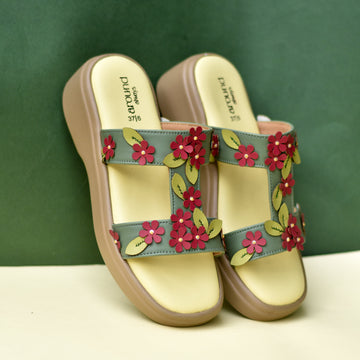
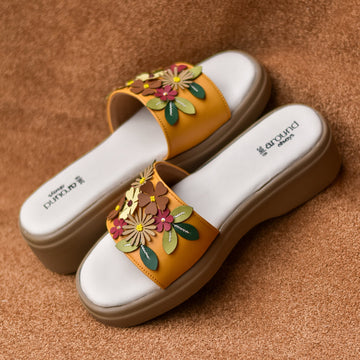
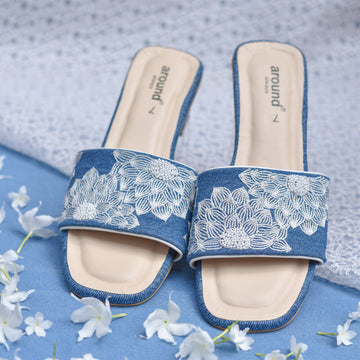
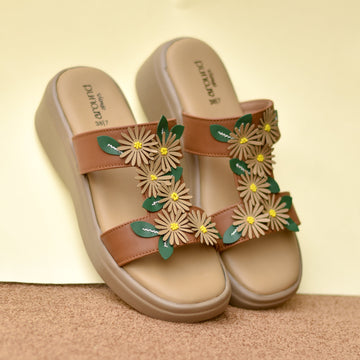
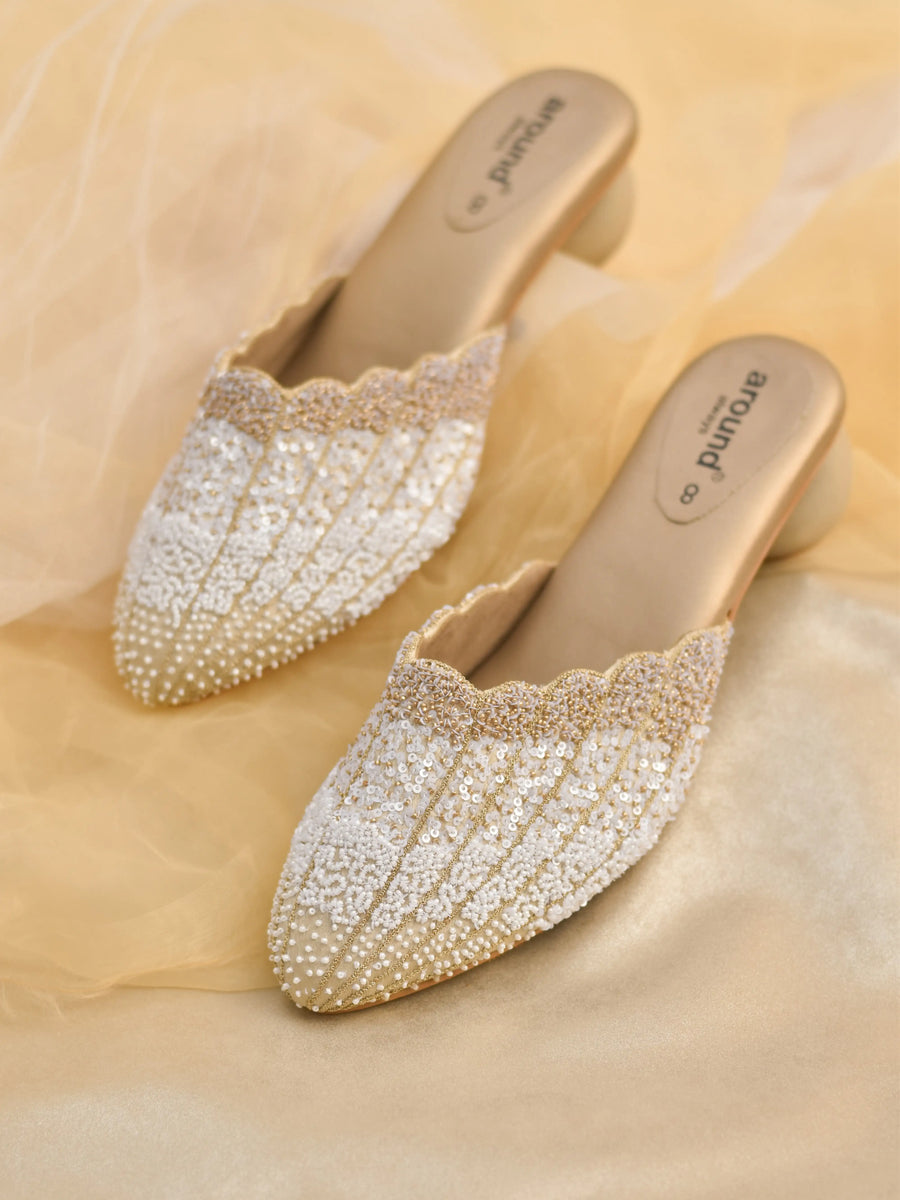
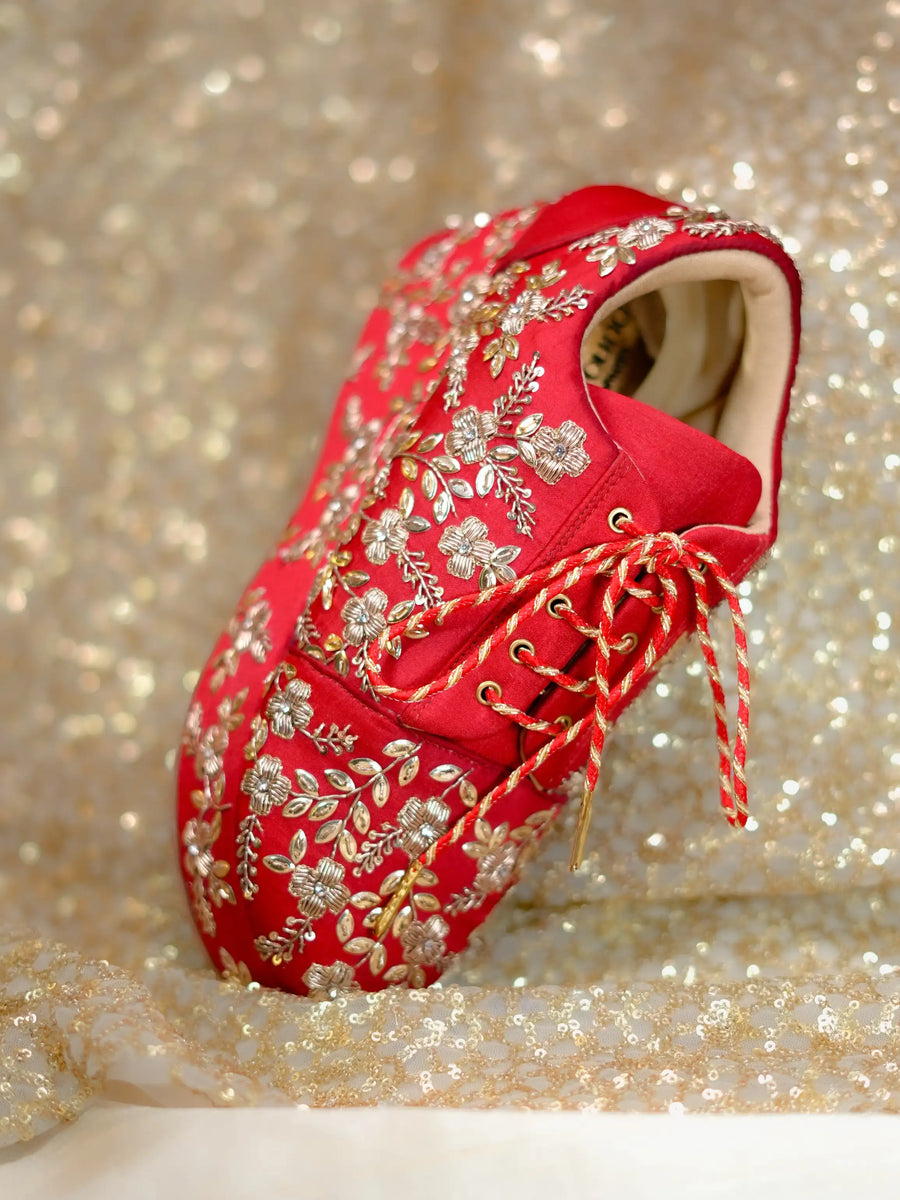
The right footwear for a Lal Par Saree should respect the cultural weight of the garment. Traditional juttis and embellished flats in gold are the most culturally resonant choices, particularly for religious ceremonies and devotional events where the saree is worn in its most sacred context. For Bengali weddings and festive occasions like Durga Puja, Bengali bridal footwear in gold tones with embroidery or mirror work are the most complementary options. The warmth of gold echoes the zari work in the saree's border without competing with the simplicity of the white base.
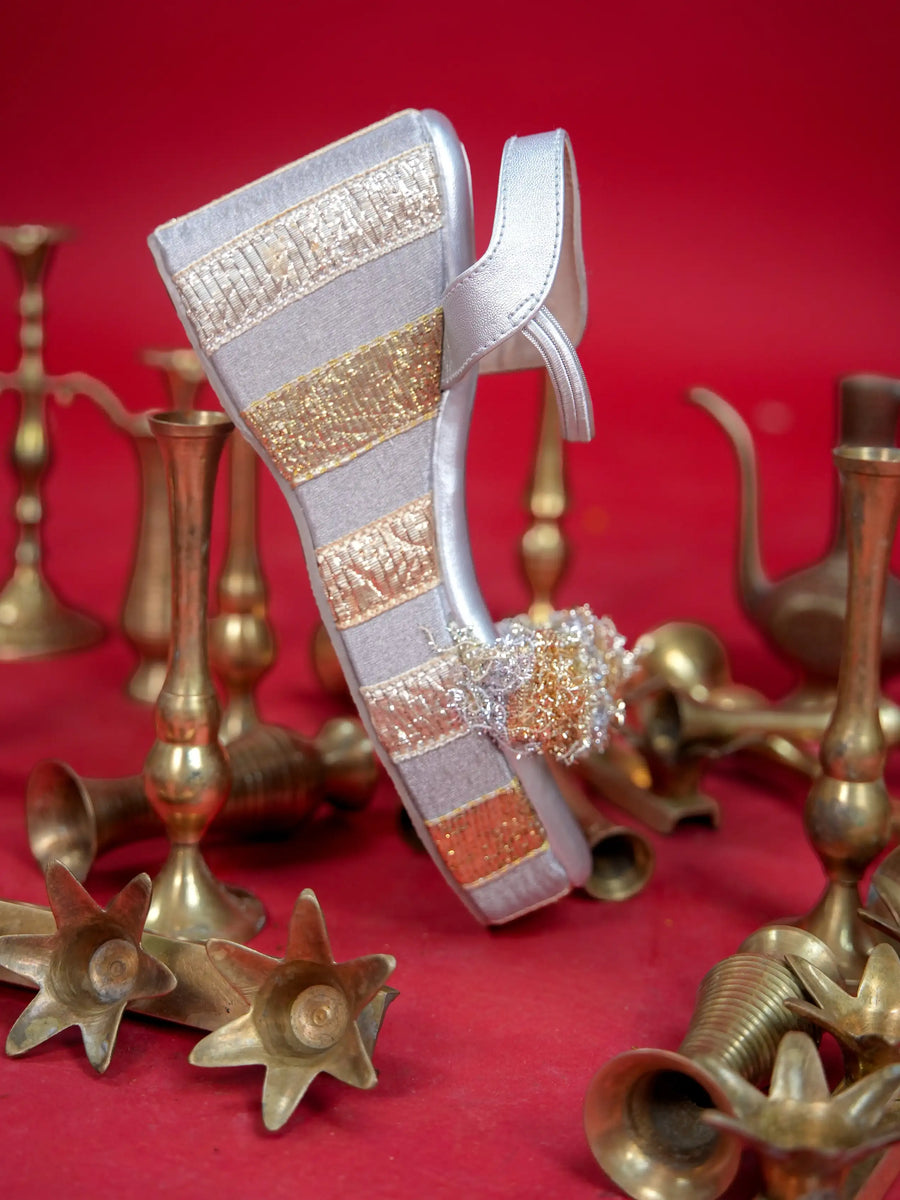
For more contemporary occasions where a Lal Par Saree is styled with a modern twist, strappy block heel sandals in gold or ivory are a graceful choice that adds height to the draped silhouette. Gold strappy sandals for sarees in particular work beautifully with lighter Tant and Jamdani sarees at daytime events. For formal silk varieties at evening functions, a more structured embellished heel adds the right level of presence to match the richness of the fabric.
Frequently Asked Questions
What is a Lal Par Saree?
The Lal Par Saree, also written as Laal Paar Saree, is a traditional Bengali saree characterised by a white or off-white base fabric with a red border and red pallav. It is worn by married Bengali women at religious ceremonies, devotional events, and cultural celebrations, particularly during Durga Puja. The red-and-white combination carries specific cultural significance: white for purity and red for fertility and auspiciousness.
What is the difference between Lal Par, Laal Paar, and Lal Pari saree?
These are all spelling variations of the same saree in English. "Lal Par," "Laal Paar," "Lal Paar," and "Laal Par" all refer to the same traditional Bengali red-bordered white saree. "Lal Pari" is a phonetic variant sometimes used in searches. The Bengali script name is লাল পাড় শাড়ি (Lal Par Shari). All variations refer to the same cultural garment.
What is a Lal Par Sada Saree?
"Sada" means plain or simple in Bengali. A Lal Par Sada Saree refers specifically to a plain white saree with a red border, typically in cotton or light silk, without heavy embellishment or embroidery on the body. It is the most everyday and accessible version of the Lal Par tradition, worn for regular puja visits, household ceremonies, and informal devotional occasions.
What shoes go with a Lal Par Saree for a Bengali wedding?
Traditional embellished juttis in gold or ivory are the most culturally fitting footwear for a Lal Par Saree at a Bengali wedding. For brides or guests who prefer a heel, gold block heel sandals or embellished kitten heels in ivory complement the red-and-white colour palette without overpowering it. Avoid very bold or contrasting coloured shoes, as the beauty of the Lal Par Saree lies in the restraint of its palette.