
Kolhapuri Chappals, Heels and Juttis for Indian Weddings: The Complete Styling Guide
Kolhapuri chappals for women are one of the smarter footwear choices at an Indian wedding. Handcrafted, GI-tagged since 2019, comfortable for long hours on your feet, and versatile enough to work across every function from haldi to reception. If you have been stuck choosing between comfort and looks, Kolhapuri footwear handles both.
Quick Reference: Kolhapuri Styling by Function
|
Function |
Best Footwear |
Why |
|
Haldi & Mehendi |
Flat Kolhapuris in tan, mustard or yellow |
Outdoor, uneven ground; these colours hide turmeric staining |
|
Sangeet & Cocktail Night |
Kolhapuri heels or wedges in gold, bronze or jewel tones |
Adds height with a stable base for hours of dancing |
|
Wedding Ceremony |
Embellished Kolhapuri or bridal heel in gold, ivory or red |
Most photographed function; match the blouse or border colour |
|
Reception |
Bolder colour or metallic Kolhapuri heel |
Room to stand out; the ceremony pair already did the hard work |
|
Kolhapuri vs Jutti |
Kolhapuri: open, breathable. Jutti: closed, secure |
Kolhapuris show well with sarees; juttis hold better through dancing |
What Makes Kolhapuri Footwear Work So Well at Weddings

Kolhapuri chappals are generally traced to around the 12th century, with roots in Kolhapur, Maharashtra, and the neighbouring districts of Karnataka (source: Drishti IAS). In July 2019, the Indian government granted them a Geographical Indication (GI) tag covering eight districts across both states — Kolhapur, Sangli, Satara and Solapur in Maharashtra, and Belagavi, Dharwad, Bagalkot and Bijapur in Karnataka — recognising the craft, the artisans, and the specific way the leather is tanned and worked (source: Wikipedia).
The Craft Behind the Chappal
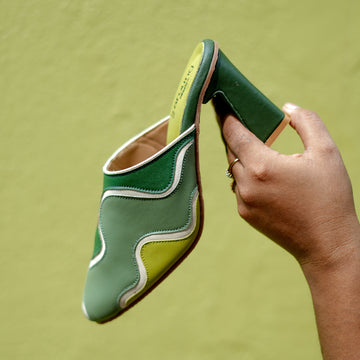
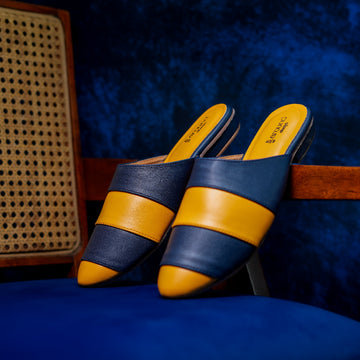
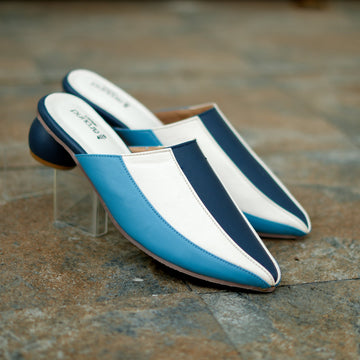
Traditional GI-tagged Kolhapuris are made from vegetable-tanned leather, which moulds to the foot over time and stays breathable in India's climate. That's why a well-worn Kolhapuri tends to feel more comfortable than a brand-new one, and why they hold up across a three-day wedding better than most machine-made alternatives. At Around Always, our Kolhapuri-style heels keep that handcrafted look and feel, made from cruelty-free, textile-based materials rather than leather.
- Fully handcrafted, no machine stitching on authentic GI-tagged pairs
- The material softens with wear - the longer you wear them in a day, the better they feel
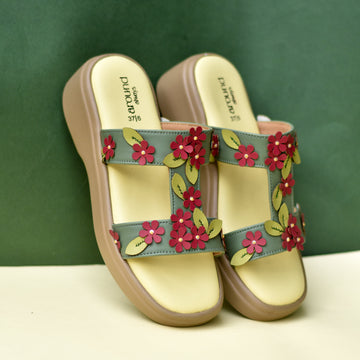
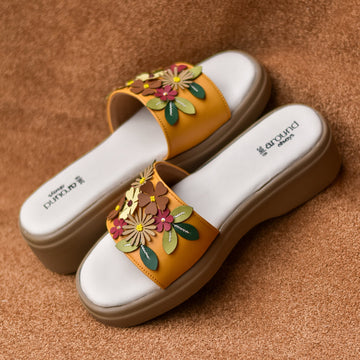
- Available in flat, wedge, and heeled versions, covering every function
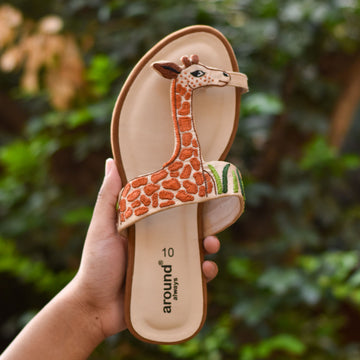
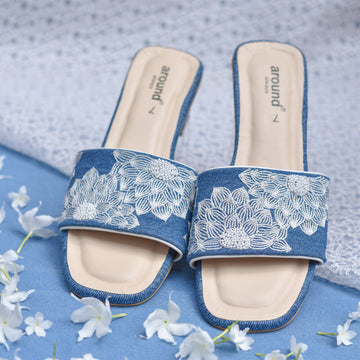
- Designs range from plain tan to heavily embellished, mirror-work, and zardozi-accented
Styling Kolhapuri Footwear by Wedding Function
Haldi and Mehendi

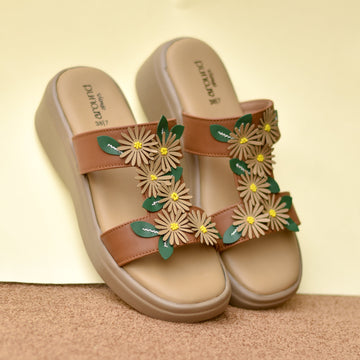
These are outdoor, daytime functions, often on uneven ground, grass, or flower-covered floors. Flat Kolhapuri chappals are the right call here.
- Earthy tan, mustard, or yellow Kolhapuris pair naturally with haldi and mehendi outfits
- Mirror-work or embroidered straps add festive detail without overdoing it
- Avoid pale or ivory colours at haldi. Turmeric stains permanently and does not wash out
Sangeet and Cocktail Night

Sangeet is where you can go bolder. Kolhapuri heels or wedge Kolhapuris work well here, giving height while keeping the handcrafted look intact.
Gold, bronze, or jewel-toned Kolhapuri heels pair well with heavily embroidered lehengas and shararas. If the outfit carries a lot of embroidery, keep the strapping clean.
- Block heel or wedge Kolhapuri gives stability for dancing without giving up height
- Pair sangeet-ready Kolhapuri styles with draped dupattas and statement earrings
Wedding Ceremony and Reception

For the main ceremony, a heavily embellished Kolhapuri chappal or bridal Kolhapuri heel in ivory, gold, or red works beautifully under a lehenga or saree.
- With a lehenga: match the Kolhapuri to the blouse or border colour rather than the overall fabric
- With a saree: gold-tone or neutral Kolhapuris in flat or block-heel style complement silk and georgette
- Reception gives you room for a bolder colour, a metallic, or a contrast pair that stands out in photos
Kolhapuri Heels vs Flat Chappals: Which One to Choose

The function decides this more than personal preference does.
- Flat Kolhapuri: haldi, mehendi, day functions, outdoor venues. High comfort, immediately wearable, great with kurtas and cotton lehengas
- Kolhapuri heels or wedges: sangeet, reception, evening functions. Better with heavy lehengas, shararas, and gowns where length matters
- Sizing: go half a size up for your first pair. The material stretches, and a snug fit on day one can feel tight by evening
Bridal Juttis vs Kolhapuri Chappals: What Is the Difference?

Both are handcrafted, both are right for Indian weddings, but they suit different occasions and outfits.
Juttis (Punjab origin): closed front, closed back, hold the foot more securely during dancing, pheras, and longer ceremonies. But get the wrong sizing on juttis is a common affair. It leaves limited room for any last minute adjustments. That said, it has immediate traditional vibes.
Our bridal flats collection includes embroidered and mirror-work options in flats that you can check as alternatives to the juttis for wedding day.
Kolhapuris (Maharashtra and Karnataka origin): open design, more breathable, easier to slip in and out across a long multi-function day. Better when the footwear is visible, as with sarees and shorter lehengas.
- Juttis suit North Indian bridal outfits with heavy embroidery and longer hemlines
- Kolhapuris work better with Maharashtrian drapes, sarees, and lighter lehengas where the footwear shows
If you'd rather stay in flats but still want a closed, traditional look, our bridal flats collection includes embroidered and mirror-work options worth considering as an alternative to juttis for the wedding day.
If you are not sure which to pick for which function, we can customise either in colour, embroidery, and fit to match your bridal outfit.
Conclusion
Kolhapuri footwear has survived centuries of Indian weddings for a reason: it is genuinely comfortable, genuinely handcrafted, and versatile enough to move from a haldi floor to a reception stage without missing a step. Whether you go flat for the daytime functions or heels for sangeet and the ceremony, the craft holds the look together across every outfit change. At Around Always, we build on that tradition with Kolhapuri-style heels designed to carry you through the full wedding week, not just one evening of it.
Frequently Asked Questions
Are Kolhapuri chappals comfortable for an entire wedding day?
Yes. The material moulds to the foot with wear and becomes more comfortable as the day goes on. They are one of the few traditional footwear styles that get better the longer you wear them. Go half a size up for your first pair.
Can a bride wear Kolhapuri chappals at the main wedding ceremony?
Yes. Heavily embellished Kolhapuri chappals in gold, red, or ivory work well under a lehenga or saree for the main ceremony. Kolhapuri heels add height if that matters for the pheras or photographs.
What is the difference between Kolhapuri chappals and juttis?
Kolhapuris are open, flat or heeled sandals from Maharashtra and Karnataka, traditionally made from vegetable-tanned leather. Juttis are closed-front footwear from Punjab, usually with embroidery on fabric or leather. Both work at weddings but suit different functions and outfits.
Do Kolhapuri chappals have a GI tag?
Yes. The Indian government granted Kolhapuri chappals a Geographical Indication (GI) tag in 2019, covering eight districts across Maharashtra and Karnataka. Only chappals made in those districts can officially be called Kolhapuri.
Are Kolhapuri chappals only for traditional outfits?
No. Flat Kolhapuris pair naturally with sarees, lehengas, and kurtas, but they also work with Indo-Western outfits and casual ethnic wear long after the wedding is over.