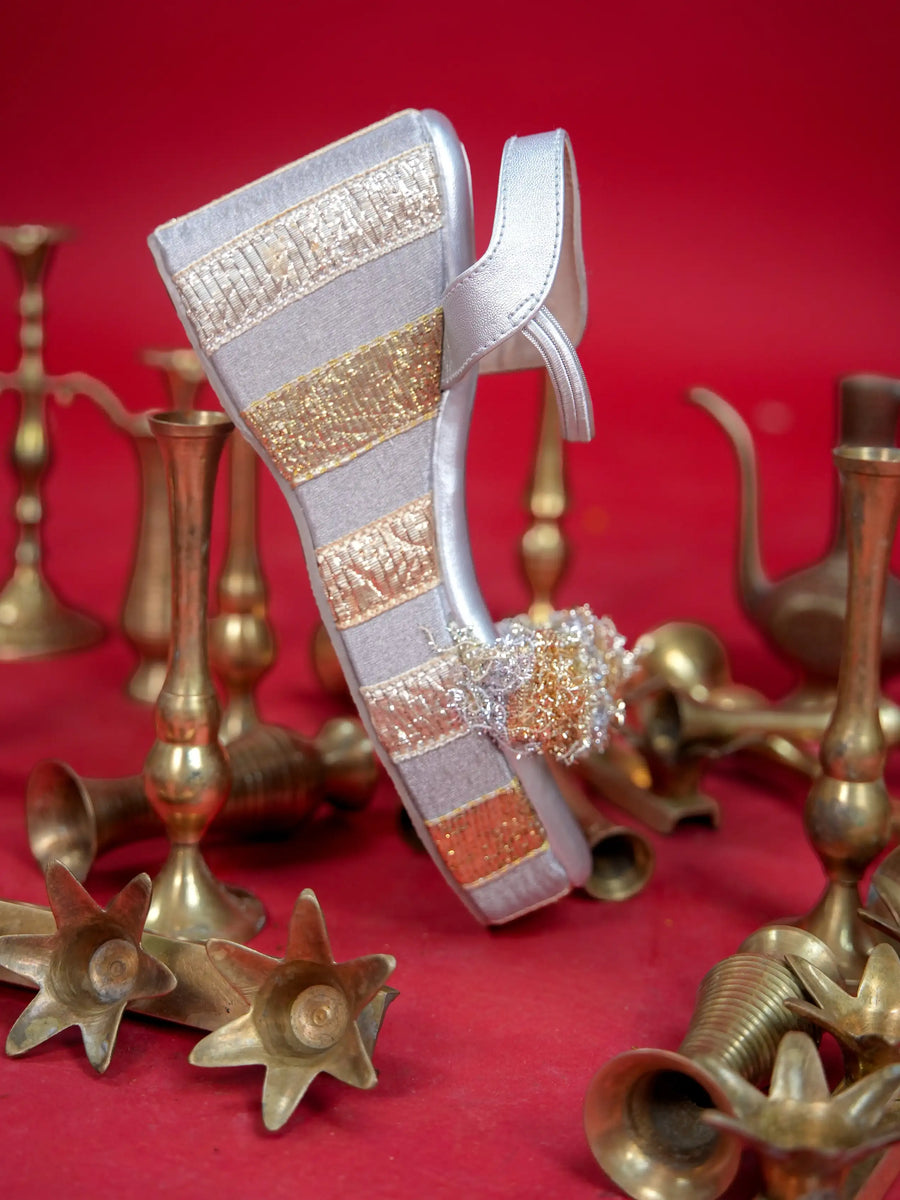

Top 10 Fun Wedding Rituals That Add Joy and Laughter to Indian Weddings (2026)
Indian weddings are extraordinary celebrations not just for their visual splendour but for the rituals that bring families together in laughter, playfulness, and warmth. Whether you are at a wedding in Delhi, a sangeet in Jaipur, or a destination celebration in Udaipur, it is these shared, often hilarious moments that families talk about for years. The rituals listed here are among the most beloved and most fun traditions in Indian wedding celebrations, each one carrying both cultural meaning and a genuine spirit of joy.
Here are the 10 most entertaining Indian wedding rituals and what makes each one so memorable.
1. Joota Chupai: The Shoe-Stealing Ritual
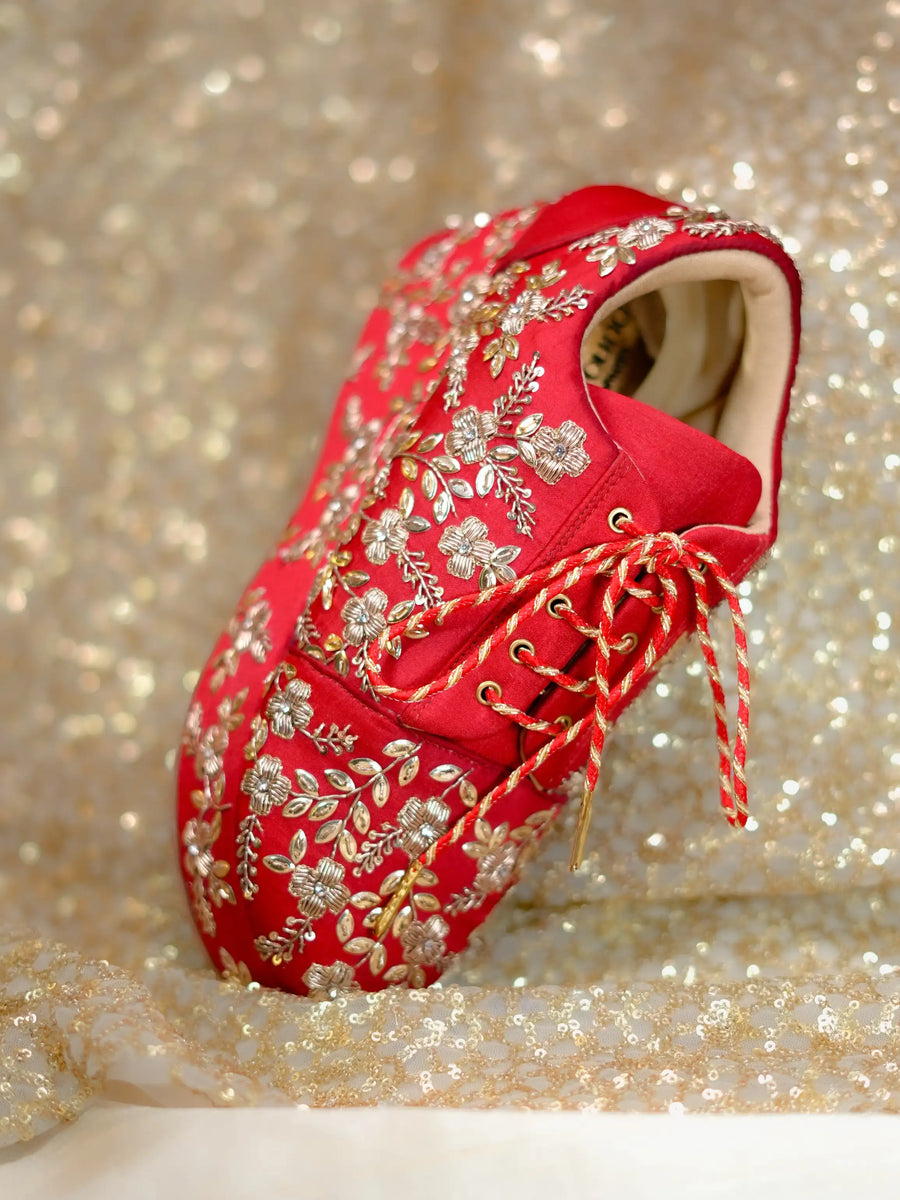
Joota Chupai is one of the most popular and entertaining rituals in North Indian weddings. During the pheras (sacred wedding rounds), the sisters and female cousins of the bride discreetly steal the groom's wedding shoes and refuse to return them until the groom agrees to their terms. What follows is a cheerful good cop, bad cop negotiation between the groom's side and the bride's side, full of teasing, laughing, and deliberate stalling.
This ritual is a perfect icebreaker between two families meeting for the first time, creates comic memories that live on in photographs, and gives the bride's sisters a moment of genuine power and fun on the wedding day. It is lighthearted, harmless, and universally enjoyed.
2. Kalire Ritual: The Bridal Blessing Game
In Punjabi weddings across Delhi, Chandigarh, and Ludhiana, the Kalire ritual transforms a traditional blessing into an affectionate prediction game. The bride shakes her Kalire (the golden or silver ornaments attached to her bangles) over the heads of unmarried sisters and cousins. When one of the ornamental pieces falls on someone, it is believed that person will be the next to get married.
Whether anyone truly believes the superstition or not, the ritual creates a wonderful moment of suspense, laughter, and good-natured teasing. It produces beautiful photographs, keeps bridesmaids entertained and engaged, and creates a lighthearted sense of anticipation that lifts the energy of the entire pre-ceremony.
3. The Ring-Finding Ceremony: A Friendly Competition
Practiced in Tamil, Telugu, Gujarati, and Punjabi weddings across Mumbai, Bangalore, Chennai, and Ahmedabad, the ring-finding ceremony involves placing a ring in a bowl of milk, rose water, or rose petals. The bride and groom then search for it using only their hands, racing to find it first. Whoever finds it first is said to be the dominant partner in the marriage.
This small ritual generates surprising amounts of enthusiasm. Elder relatives are typically the most animated, offering unsolicited strategic advice, and the resulting photographs and videos rarely disappoint. It is one of those rituals that takes two minutes but produces memories that last years.
4. Ribbon-Cutting Ceremony: The Groom's Obstacle Course
Common in contemporary weddings in Jaipur and Bangalore, the ribbon-cutting ceremony is a lighthearted modern addition to the baraat entry. The bride's sisters block the groom's path with a ribbon and allow him through only after he answers questions about the bride, completes a small challenge, or agrees to pay a playful "entry fee."
This ritual is easy to customise: riddles, trivia, or a quick talent display all work well. It makes the groom's entry more interactive for guests, creates entertaining wedding film moments, and gives the bride's family a moment of cheerful authority before the ceremony begins.
5. Varmala: The Garland Exchange Battle
What should be a simple exchange of garlands between bride and groom becomes one of the most entertaining spectacles at Indian weddings. In cities like Delhi, Mumbai, and Jaipur, the groom's friends lift him up to prevent the bride from placing the garland over his head while the bride's side attempts to outwit them. The result is a cheerful, chaotic tug-of-war that sets the entire wedding celebration in motion.
The Varmala creates hilarious videos, brings both families together in one shared moment of laughter, and gives groomsmen a central role in the ceremony. It is a tradition that asks everyone present to take sides enthusiastically, and the energy it generates carries through the rest of the evening.
6. Entry Gate Games: The Baraat Challenge
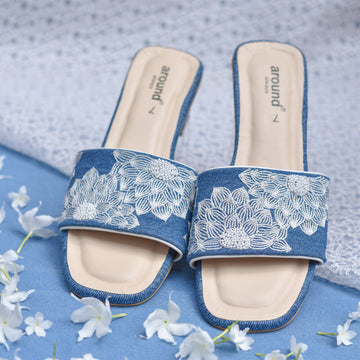
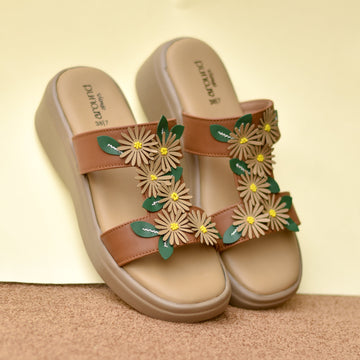
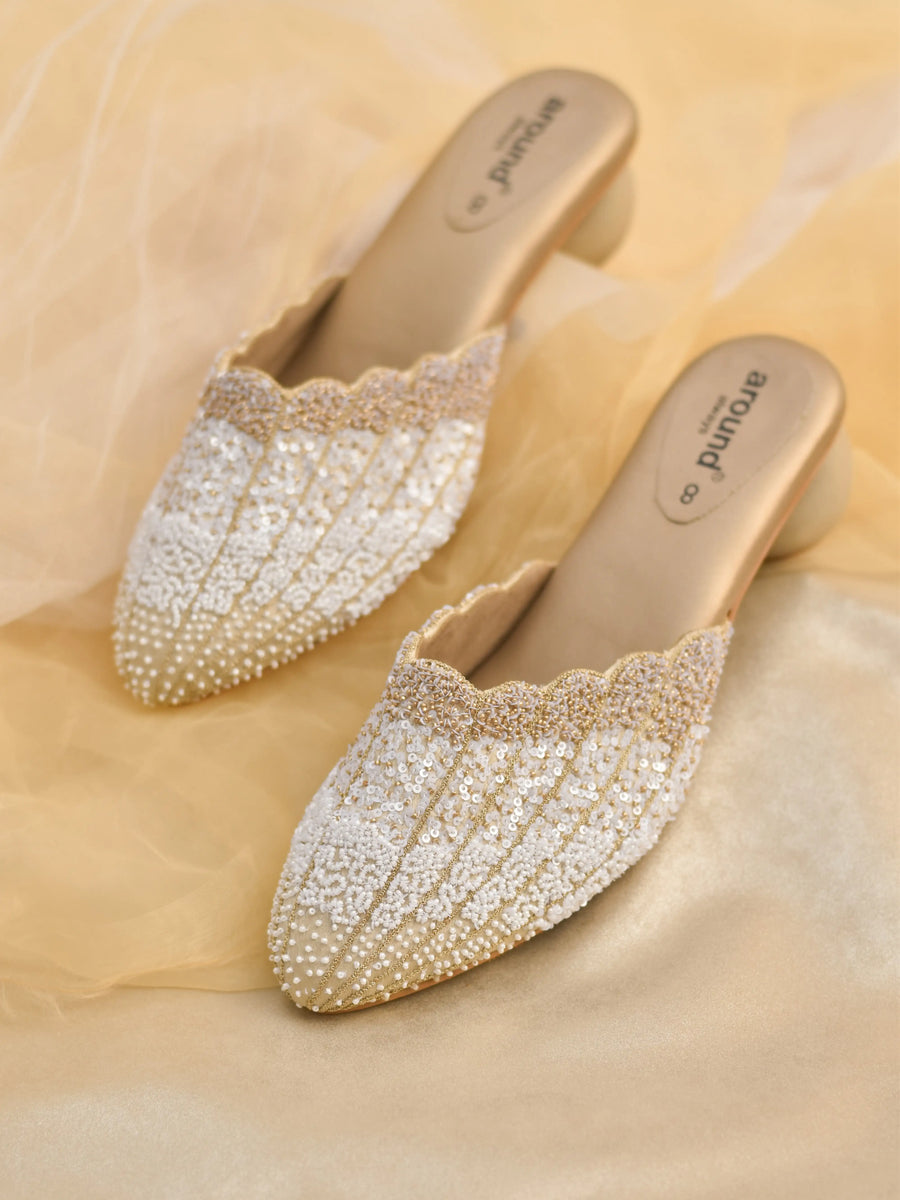
Whether it is a traditional Rajasthani wedding in Jaipur or a modern celebration in Gurgaon or Hyderabad, entry gate games are among the most universally enjoyed pre-ceremony traditions. The bride's sisters and cousins block the wedding procession and demand money, a riddle, or a performance before allowing the groom and his party through. The negotiation is playful, the teasing is good-natured, and the laughter is genuine. For the women involved, comfortable footwear for wedding functions matters here. Standing, dancing, and blocking entry gates across a long evening is much easier in the right pair of embellished flats or block heels.
These games create a friendly atmosphere of welcome, establish the bride's family's playful authority, and generate some of the best candid moments of the entire wedding day.
7. Coconut Kicking Ritual: Myth Meets Humour
In Maharashtrian and South Indian weddings across Mumbai, Pune, and Chennai, the groom is expected to kick a coconut as he enters the wedding venue. The ritual is believed to ward off obstacles and usher in good fortune, but it consistently produces some of the wedding's funniest moments if the groom hesitates, miscalculates, or makes the attempt more dramatic than necessary.
Elder family members standing nearby invariably offer loudly conflicting advice. Candid photographers know to be ready. The coconut kicking moment is symbolic, brief, and almost always funnier in execution than in description.
8. Mooh Dikhai: Welcoming the Bride to Her New Family
Practiced in weddings across Uttar Pradesh, Rajasthan, and Haryana, the Mooh Dikhai ceremony takes place after the wedding when the groom's family formally receives and welcomes the bride. She is gently teased with small tasks: answering the groom's full name, singing a song, or offering a quick performance for the assembled family.
The elder women of the household take a leading and warm role in the ceremony, guiding and welcoming the bride while filling the moment with affectionate humour. It serves as a formal introduction to the new family wrapped in the warmth of tradition. For the bride, it is usually emotional and funny in equal measure.
9. Milk and Roses Ritual: A Romantic Post-Wedding Game
In South Indian weddings across Hyderabad, Bangalore, and Chennai, the milk and roses ritual gives newlyweds their first lighthearted shared moment as a married couple. A bowl of milk with rose petals and coins is placed between them. The couple searches for specific objects, or playfully tries to outpace each other, while family members cheer from the sides.
The ritual encourages physical closeness, generates warmth and intimacy in what can otherwise be an exhausting day of ceremony, and produces beautiful and affectionate photographs. Families enjoy watching the couple navigate their first shared game together.
10. Haldi Ritual: The Most Colourful Celebration Before the Wedding
Whether it is a vibrant Punjabi haldi in Chandigarh, a beachside celebration in Goa, or a garden gathering in Bangalore, the Haldi ceremony is one of the most joyful pre-wedding functions in the Indian wedding calendar. Turmeric paste is applied to the bride or groom by family and friends, but the ceremony almost always evolves into a splash of colour, water, laughter, and dancing. For the Haldi function specifically, footwear choice is important. Comfortable bridal flats are the most practical option: they protect your feet from the dye-stained ground, allow free movement through dancing, and are easy to slip off when needed.
The Haldi ceremony produces the most candid, joyful, and visually striking photographs of the entire wedding. Everyone relaxes, inhibitions go down, and the colour does the rest.
Why These Rituals Matter
Across India, from Delhi to Jaipur to Mumbai, these rituals are not just traditions. They are the moments that transform a ceremony into a celebration, and a celebration into a memory. Each one breaks the formality of the occasion, creates space for genuine laughter, and gives every family member a role to play.
Whether you are planning a traditional Indian wedding or a destination event in Goa or Udaipur, adding these rituals gives your guests permission to stop being spectators and start being participants in your story.
Conclusion
Fun wedding rituals add the heart, humor, and magic that every Indian wedding needs. From the Shoe-Stealing fun to Ribbon-Cutting laughter and the emotional Mooh Dikhai, these customs create cherished memories for couples and families. If you’re planning a wedding and want to add more charm, creativity, and unforgettable elements, Around Always can help bring your dream celebrations to life with beautifully planned moments and meaningful traditions.