
Shoes According to Wedding Traditions Across India
Weddings in India are a grand celebration of culture, tradition, and family heritage. While much attention is given to bridal and groom attire, footwear plays an equally significant role. Different Indian communities have unique styles of wedding shoes, influenced by regional crafts, cultural significance, and symbolic rituals. This guide explores the diverse footwear traditions seen in Indian weddings.
Symbolism and Tradition
Shoes in Indian weddings go beyond functionality–they are deeply woven into traditions and customs. One of the most well-known shoe-related traditions is Joota Chhupai, where the bride’s family playfully steals the groom’s shoes and demands a ransom before returning them. But apart from this fun-filled ritual, shoes have important symbolic meanings in various wedding customs, from representing respect and humility to marking the transition into a new phase of life.
Regional Variations in Wedding Footwear
Just as bridal attire varies across India, so does footwear. Each region has its own traditional wedding shoe styles for brides and grooms.
North India
● Grooms wear mojaris or juttis, made of leather and decorated with beads, threadwork, and mirror designs.
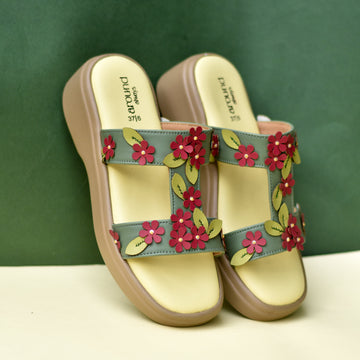
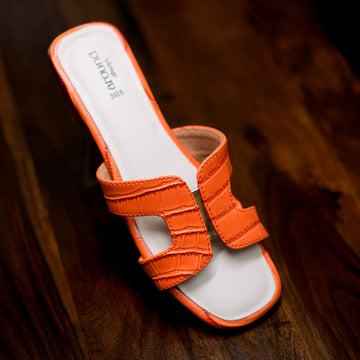
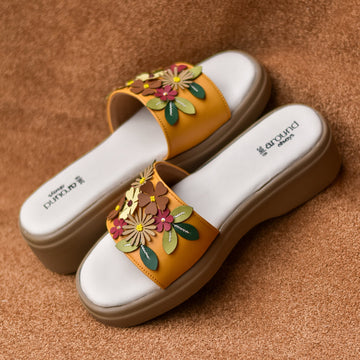
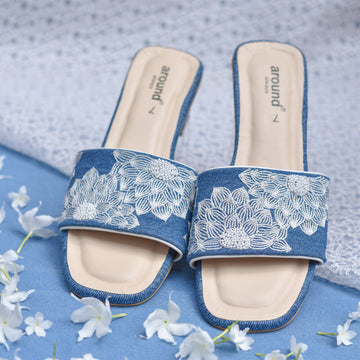
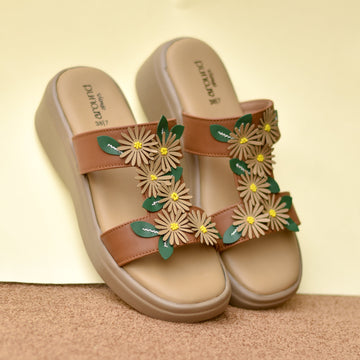
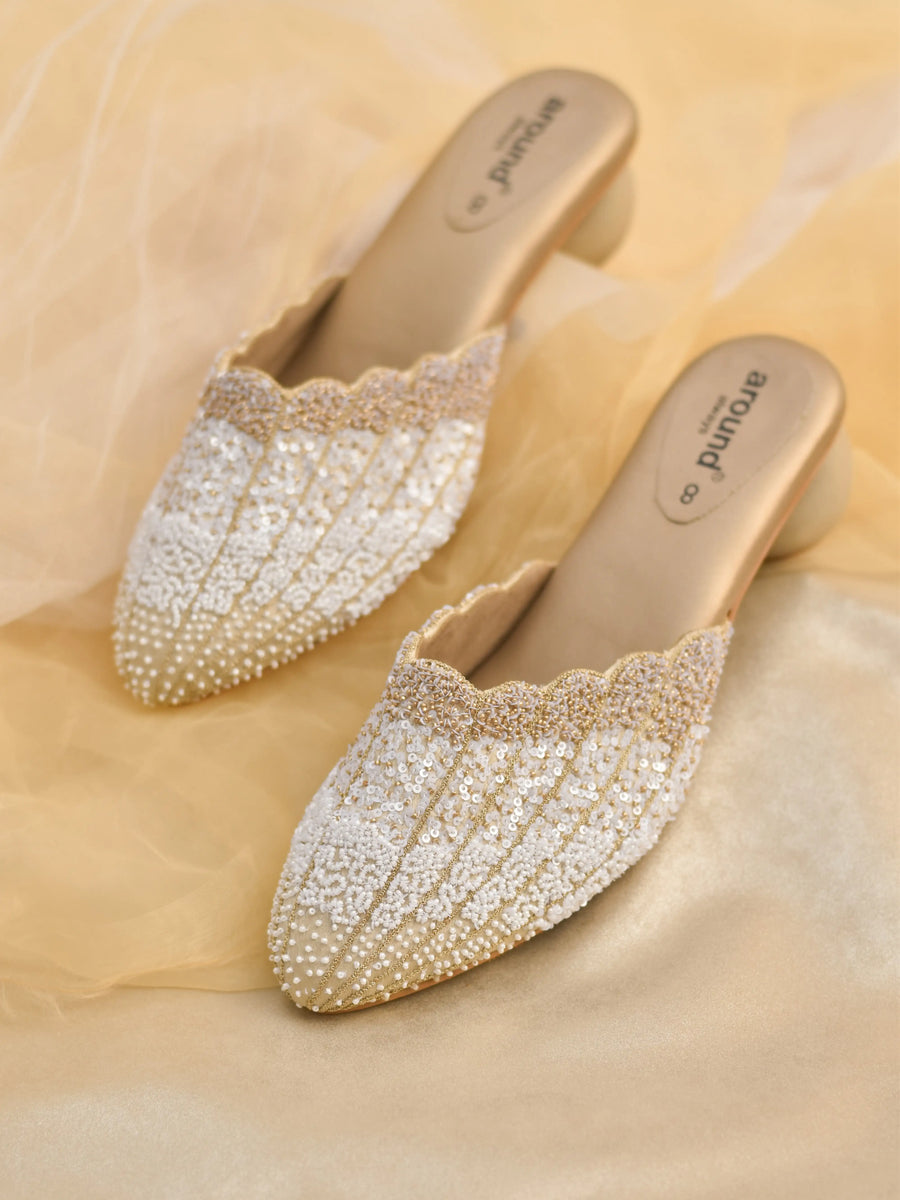
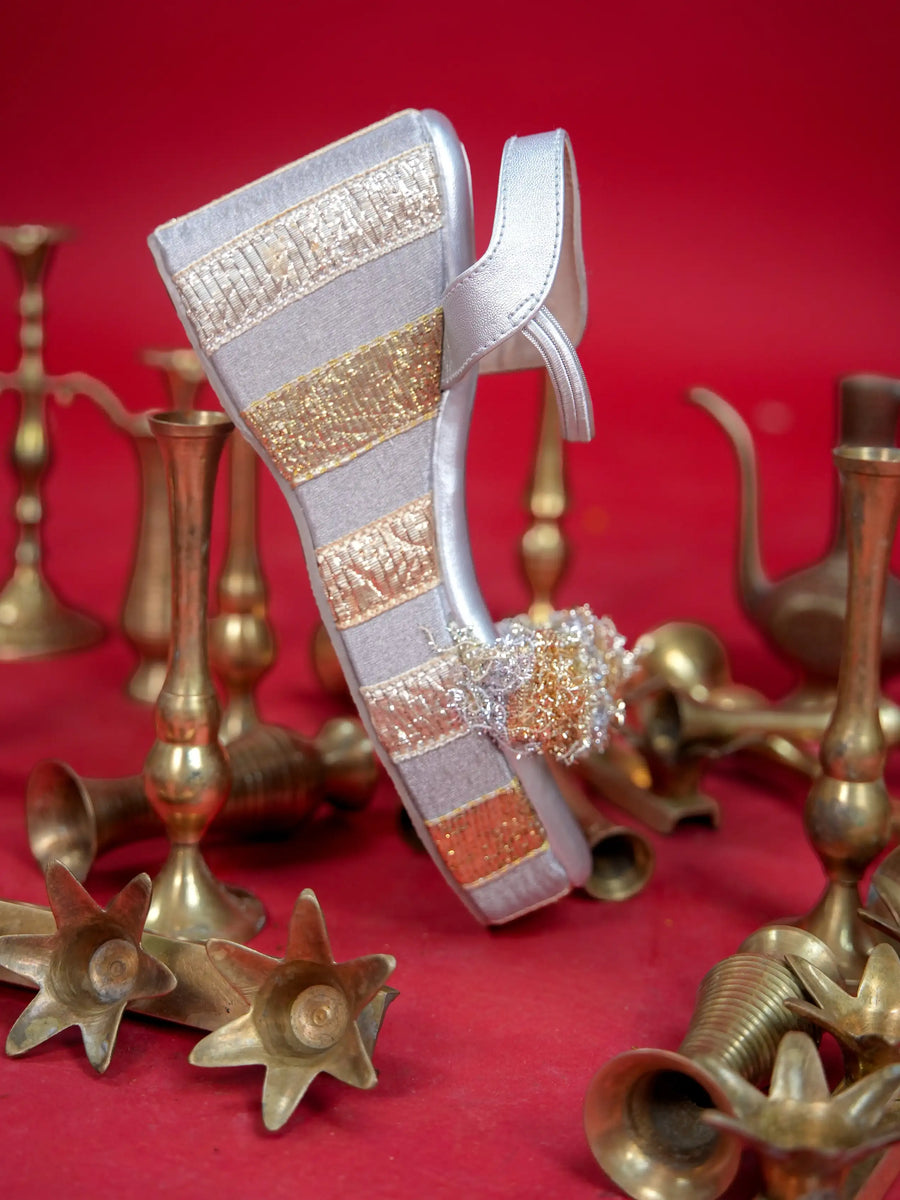
● Brides generally wear bridal sandals or chappals that match the embroidery and colours of their bridal outfits.
● Rajasthani and Punjabi wedding shoes are often bright and designed with heavy patterns to match the grand nature of the celebrations.

South India
● Simplicity is a key feature in South Indian weddings. Grooms wear basic leather sandals or slip-on shoes, while brides choose comfort and grace with elegant styles like embellished heels to pair with silk sarees.

● In Tamil and Telugu Brahmin weddings, the groom temporarily gives up all material possessions, including shoes, as part of a symbolic transition before marriage, called Kashi Yatra.
West India
● Gujarati grooms wear mojaris with colourful thread work and decorations.
● Brides wear shoes that match their heavily designed lehengas, sometimes featuring beads or mirror work.

East India
● Bengali and Odia grooms often wear chappals or pattis, which are simple yet traditional.
● Brides wear footwears like bridal heels that blends well with their sarees, keeping in line with the overall wedding look.

● Some Bengali weddings have a ritual where the groom removes his old shoes before stepping into the wedding mandap, symbolising a fresh start.
Wedding Rituals Involving Footwear
Shoes play an important role in many wedding customs across India. Some traditions are fun and playful, while others hold deep meaning.
Joota Chhupai - North India
● A lighthearted custom where the bride’s sisters and cousins take the groom’s shoes when he enters the venue.
● The groom must negotiate or offer money to get them back.
Grihapravesh with Shoes - North & South India
● When the bride enters her new home, she may wear her husband’s shoes or knock over a pot of rice with her foot as a sign of prosperity.
● In some South Indian traditions, the groom carries the bride over the threshold to prevent her feet from touching the ground.
Madhuparka Ceremony - Maharashtra
● The groom is welcomed by the bride’s family, and his feet are washed as a sign of respect.
● His shoes are sometimes placed on a decorative plate, highlighting the importance of his arrival.
Groom’s Special Shoes - Sikh Weddings
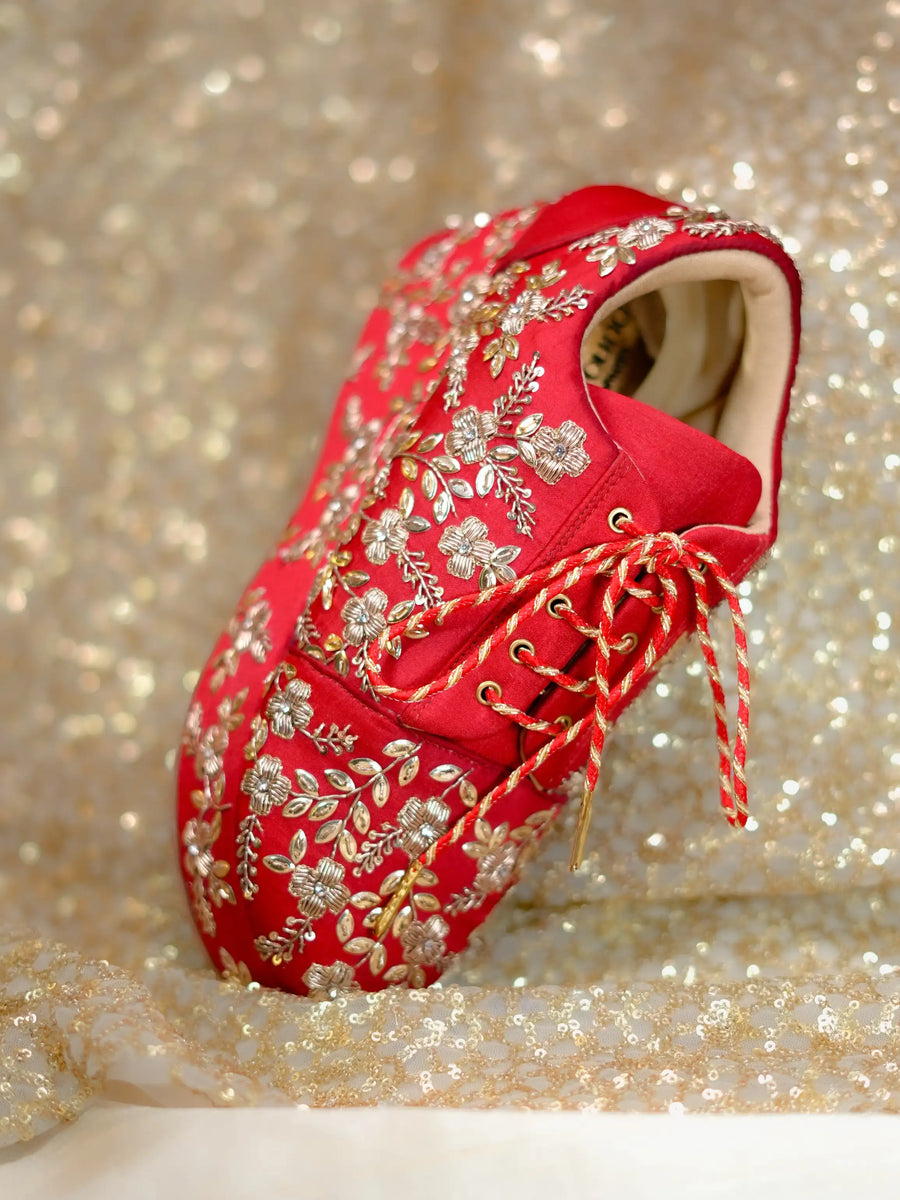
● Modern-day Sikh grooms are also seen wearing custom-made Indian sneakers for comfort and flair.
● In some families, the bride’s father or brother helps the groom put on his shoes, showing acceptance into the family.
Modern Trends in Wedding Footwear
With changing styles, many brides and grooms mix tradition with personal preferences. Some brides now wear heels, flats, or even wedding shoes with customised embroidery or meaningful details.
Grooms are also experimenting with their footwear, adding their own sense of style while keeping traditional elements intact. Designer mojaris and embroidered loafers are some of the new choices seen in weddings today.
Cultural Significance of Bridal Footwear in Indian Weddings
Indian weddings have a blend of deep-rooted traditions and evolving trends. Footwear plays an important role in many rituals and customs. Whether it’s the playful Joota Chhupai, the symbolic shoe-removal ritual of Bengal, or the decorated mojaris of North India, wedding shoes are more than just an accessory–they hold cultural and emotional value.
As wedding fashion evolves, modern couples continue to find ways to balance tradition with personal style, making footwear an important part of their big day. Brides, in particular, are putting thoughtful effort into choosing the best bridal shoes that not only complement their outfits but also provide comfort throughout the ceremonies. Whether simple or heavily designed, shoes in Indian weddings remain a reflection of heritage, comfort, and celebration.