
Best Footwear for Traditional Indian Wedding Outfits: A Region-by-Region Guide
The best footwear for traditional Indian wedding outfits should echo one detail and suit the ceremony. Punjabi juttis complement salwar suits, Kolhapuris work with Maharashtrian drapes, and metallic sandals suit many silk sarees. Choose flats or broad heels for long functions and higher styles only at a familiar height. Dress traditions differ by community and family, so treat each regional pairing as a starting point.
Which Footwear Suits Each Regional Wedding Outfit?
Match footwear to outfit craft, colour and setting. These are representative wedding looks, not rules for every community.
|
Region |
Representative outfit |
Best footwear |
Styling cue |
|
Punjab |
Salwar suit or lehenga |
Embroidered jutti or low heel |
Repeat threadwork or border colour |
|
Rajasthan |
Bridal poshak or lehenga |
Mojari or embellished flat |
Use ivory, maroon or antique gold |
|
Gujarat |
Panetar or Gharchola |
Metallic sandal or embroidered flat |
Echo red, white and gold |
|
Maharashtra |
Nauvari or Paithani |
Kolhapuri flat or low heel |
Follow the zari or contrast border |
|
West Bengal |
Red Banarasi bridal saree |
Red-gold flat or low block heel |
Repeat the zari tone |
|
Uttar Pradesh |
Banarasi saree or lehenga |
Brocade mule or secure sandal |
Repeat one woven colour |
|
Tamil Nadu |
Kanjeevaram saree |
Gold block heel or wedge |
Follow the zari or border |
|
Kerala |
Kasavu or wedding silk |
Ivory-gold sandal or flat |
Keep the detail restrained |
|
Telangana |
Khada Dupatta |
Metallic sandal or low block heel |
Echo the border or jewellery metal |
|
Assam |
Mekhela Chador |
Gold or beige flat |
Repeat one woven accent |
Which Footwear Suits North Indian Wedding Outfits?
For Punjabi wedding outfits, embroidered bridal flats such as juttis create a regional connection. Repeat one colour or metallic accent from the salwar suit, sharara or lehenga. A low block heel also adds height.
Rajasthani bridal poshaks and lehengas pair naturally with mojaris in restrained gold, maroon or ivory. Keep the shoe quieter when the outfit carries dense gota or mirror work. Our guide to mojari shoes explains the style in more detail.

What Shoes Work with Western Indian Wedding Outfits?
Gujarati Panetar and Gharchola looks often combine red, white and gold. Try a gold sandal, an ivory flat with red accents or a low heel with a secure strap. Repeating one colour creates harmony without copying the saree.
For Maharashtrian Nauvari and Paithani sarees, Kolhapuri heels for women or low Kolhapuri flats can echo the regional mood, while gold sandals suit zari-rich borders. Prioritise grip during movement. See our Kolhapuri styling guide for more ideas.

Which Footwear Suits Eastern and Northeastern Wedding Dress?
A red Banarasi bridal saree works well with red bridal heels, red-and-gold flats or metallic sandals. Follow the zari tone, and choose smaller embellishments when the weave carries strong detail.
With an Assamese Mekhela Chador, let the woven border guide the footwear. Gold, beige or ivory flats keep the look balanced. Repeat one border accent instead of introducing an unrelated colour.

What Works with Banarasi Wedding Outfits from Uttar Pradesh?
Banarasi sarees and lehengas suit Banarasi brocade shoes, metallic sandals and embroidered flats. Match one woven shade or border metal. For fabric-led pairings, read our Banarasi brocade footwear guide.
Regional craft names carry specific meanings. The World Intellectual Property Organization explains that a geographical indication links a product to its place of origin, while India's Ministry of Textiles records Kolhapuri chappal's GI registration in July 2019.

Which Shoes Suit South Indian Wedding Outfits?
For a Kanjeevaram wedding saree, golden bridal heels, ethnic wedges for women or low sandals work when they reflect the zari or contrast border. Choose the heel before the final drape. Our Kanjeevaram heel guide covers colour and height in depth.
Kerala Kasavu and ivory wedding silks need a lighter hand. Ivory, muted gold or pearl-toned bridal sandals for women complement the palette. Use the Kasavu saree footwear guide for specific options.
A Hyderabadi Khada Dupatta can carry ornate borders and jewellery, so use one controlled metallic cue. A secure back or ankle strap helps during entrances and photographs. Choose a familiar heel height.

How Should You Choose Heel Height and Fit?
Choose heel height by wear time, surface and experience, not by the outfit's weight. Flats and broad heels suit long ceremonies. For a sangeet or reception, bridal wedding sneakers offer a laced, closed style. Grass and uneven stone make narrow heels less practical.
Complete an outfit trial with the actual shoe. Walk, sit and check whether the hem catches under the heel. Confirm the size through the Around Always footwear sizing guide before ordering.
Expert Tip: Match one visible cue, then let fit, venue and wear time choose the shoe shape. A beautiful pairing still needs to survive the ceremony.
Explore Wedding Footwear by Craft and Occasion
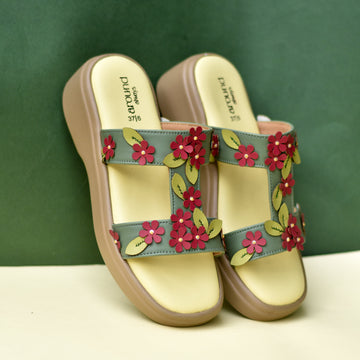
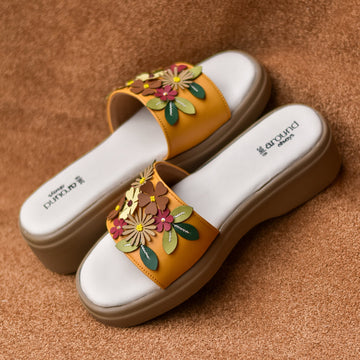
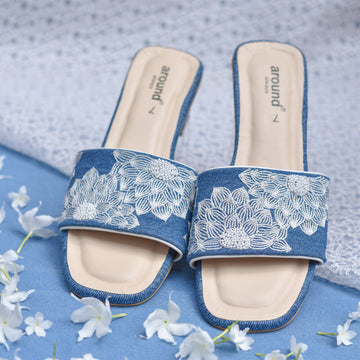
Use this guide to narrow the silhouette, colour and heel height. Explore the Around Always bridal footwear collection for bridal flats, wedding sandals, golden heels, ethnic wedges, Kolhapuri styles and embellished sneakers. Choose by outfit, event and fit.
Frequently Asked Questions
What footwear goes with a Punjabi wedding outfit?
An embroidered jutti is the most direct pairing. A low block heel also works when it repeats one colour or metallic detail from the salwar suit, sharara or lehenga.
Can I wear Kolhapuris with a Nauvari saree?
Yes. Low Kolhapuri-inspired flats can suit a Nauvari saree, especially when their colour relates to the border or jewellery. Test grip and toe-loop comfort before the event.
Which heels suit a Kanjeevaram wedding saree?
Gold block heels, wedges and low metallic sandals are useful choices. Follow the zari tone, use a height you know, and complete the final saree-length check in the same pair.
What shoes work with a Bengali bridal saree?
Red-and-gold flats, metallic sandals or a low block heel suit many red Banarasi bridal sarees. Keep embellishment controlled when the weave already carries strong visual detail.
Should wedding footwear match the outfit exactly?
No. Repeat one colour, metal or motif and let the rest remain simple. Exact matching can look busy, while one clear connection makes the outfit feel intentional.