
Indian Wedding Shoes Every Bride Should Know in 2026
Indian wedding shoes in 2026 should balance comfort, height, grip, and outfit matching, because brides move through long rituals, photos, dancing, and receptions. The best Indian bridal footwear options are wedges, block heels, embroidered juttis, Kolhapuri heels, bridal flats, and bridal sneakers. Choose 2 to 3 inch heels if you want height without strain, or cushioned flats and sneakers for mehendi, haldi, and sangeet. Match your shoes with your lehenga, saree, or embroidery using gold, ivory, silver, red, champagne, or pastel tones. This guide explains the best Indian bridal footwear styles, when to wear each one, and how to keep your feet comfortable through every wedding function.
Types of Footwear to Wear for an Indian Wedding
Each of these styles suits Indian wedding functions differently, depending on the venue, the outfit, and how much movement the event involves.
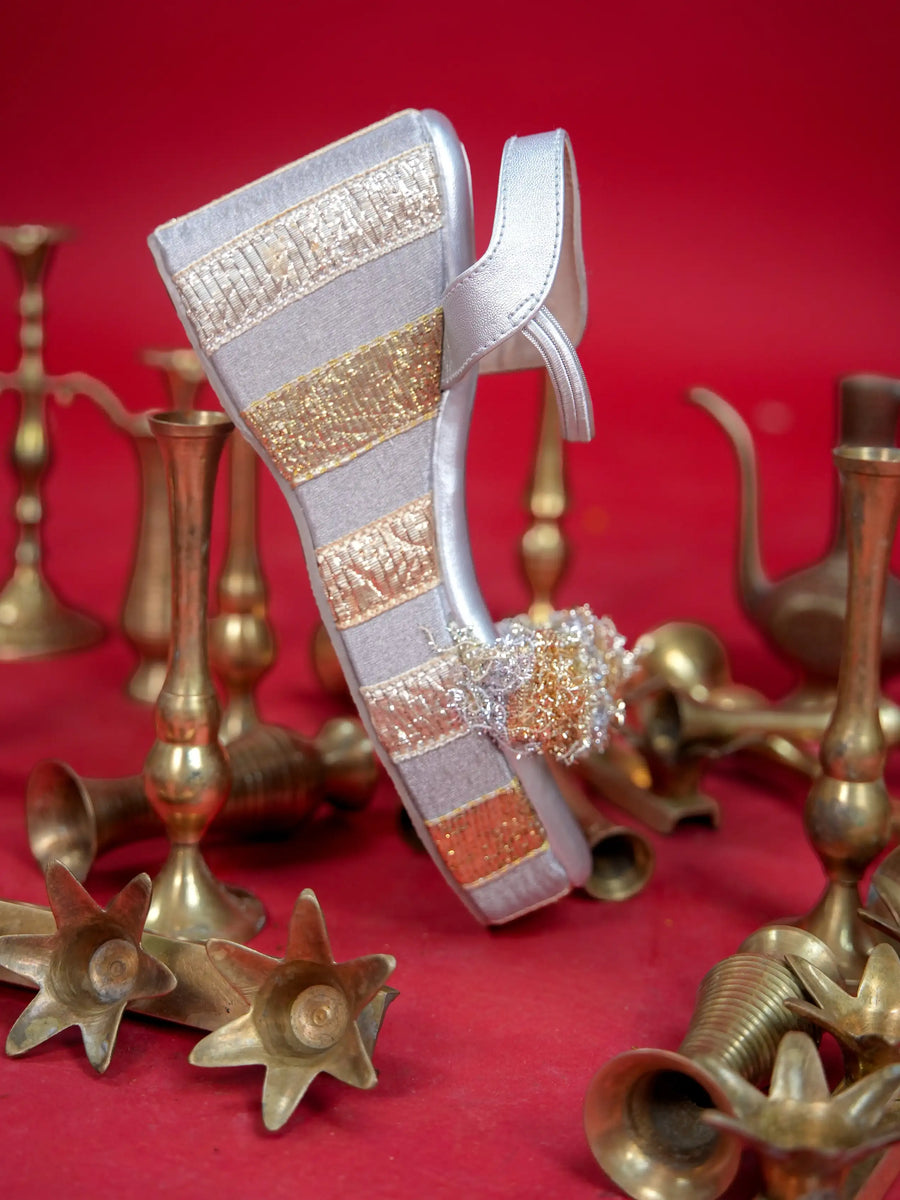
Wedges
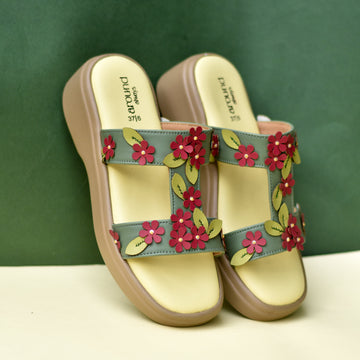
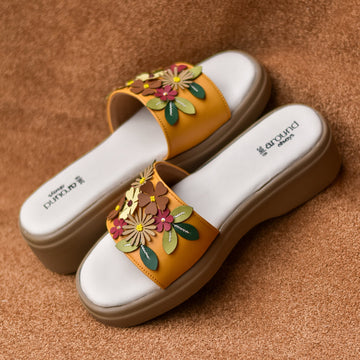
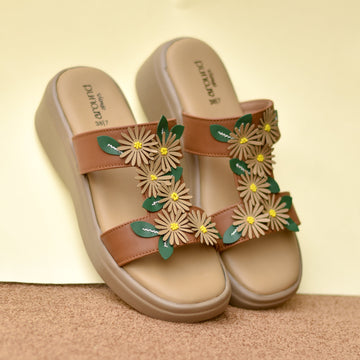
Wedges have a continuous sole from heel to toe, which makes them significantly more comfortable than stilettos for long wedding days. They are available in a wide range of heel heights and colours. Explore our wedge heels for brides for embellished styles suited to every function.
Kolhapuri Chappals
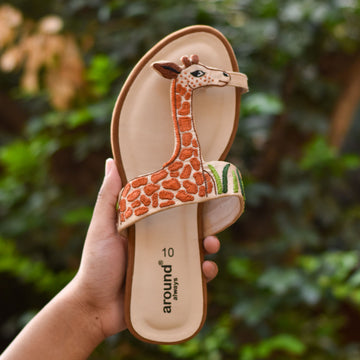
Kolhapuri chappals are hand-crafted, decorated leather sandals known for their comfort and classic look. They suit traditional ceremonies while remaining versatile enough to pair with Western or fusion outfits.
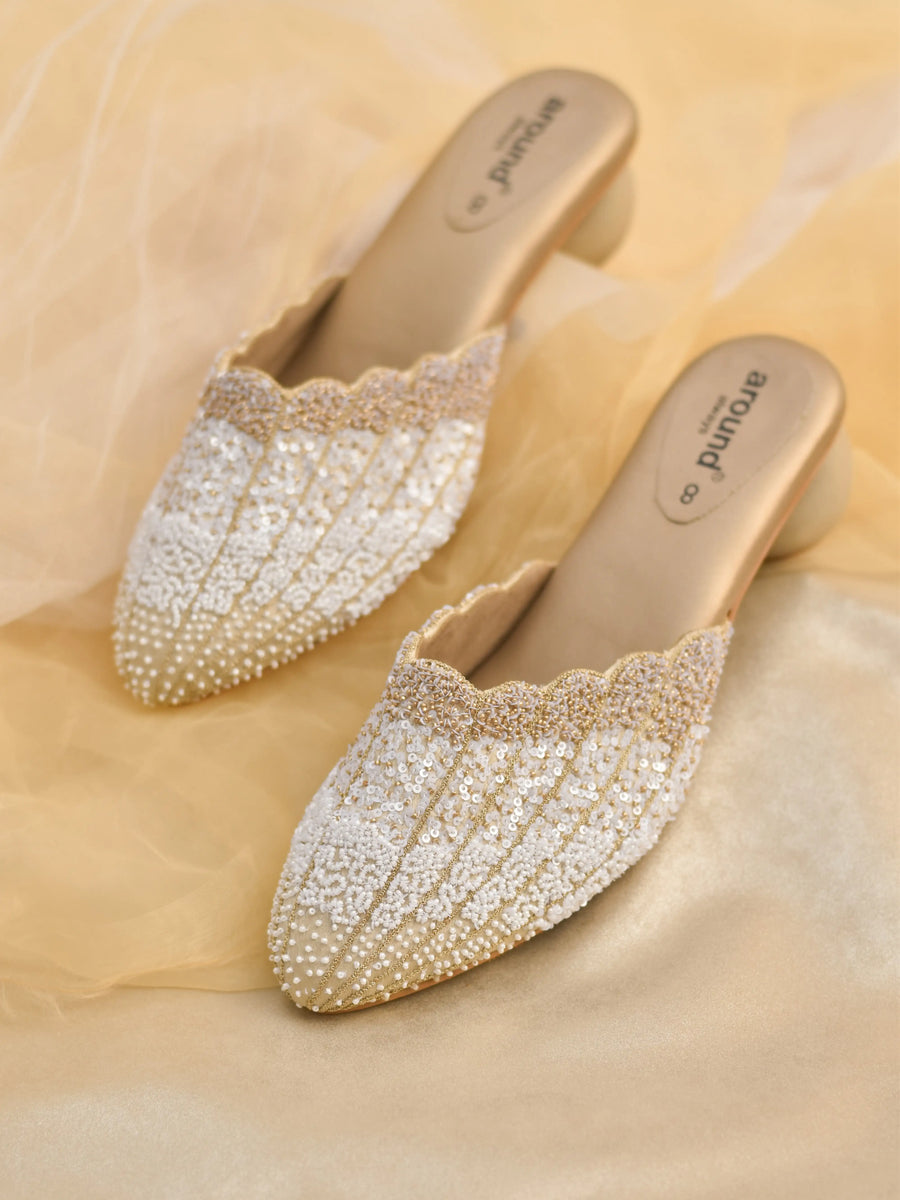
Mojaris and Juttis
Mojaris and juttis are richly embroidered ethnic flat shoes featuring traditional patterns, mirror work, and beadwork. Both are widely favoured for their comfort and their ability to pair with heavy bridal lehengas and sarees.
Block Heels
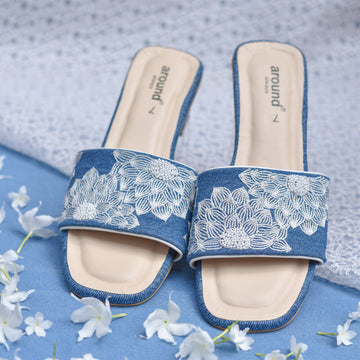
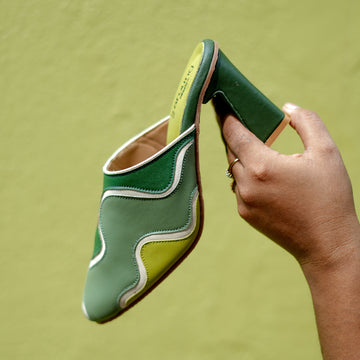
Block heels offer a glamorous, elevated look without the instability of a narrow heel. Many styles are richly embroidered with floral designs, zari, pearls, and beads. Browse our block heel bridal collection for designs suited to both ceremony and reception wear.
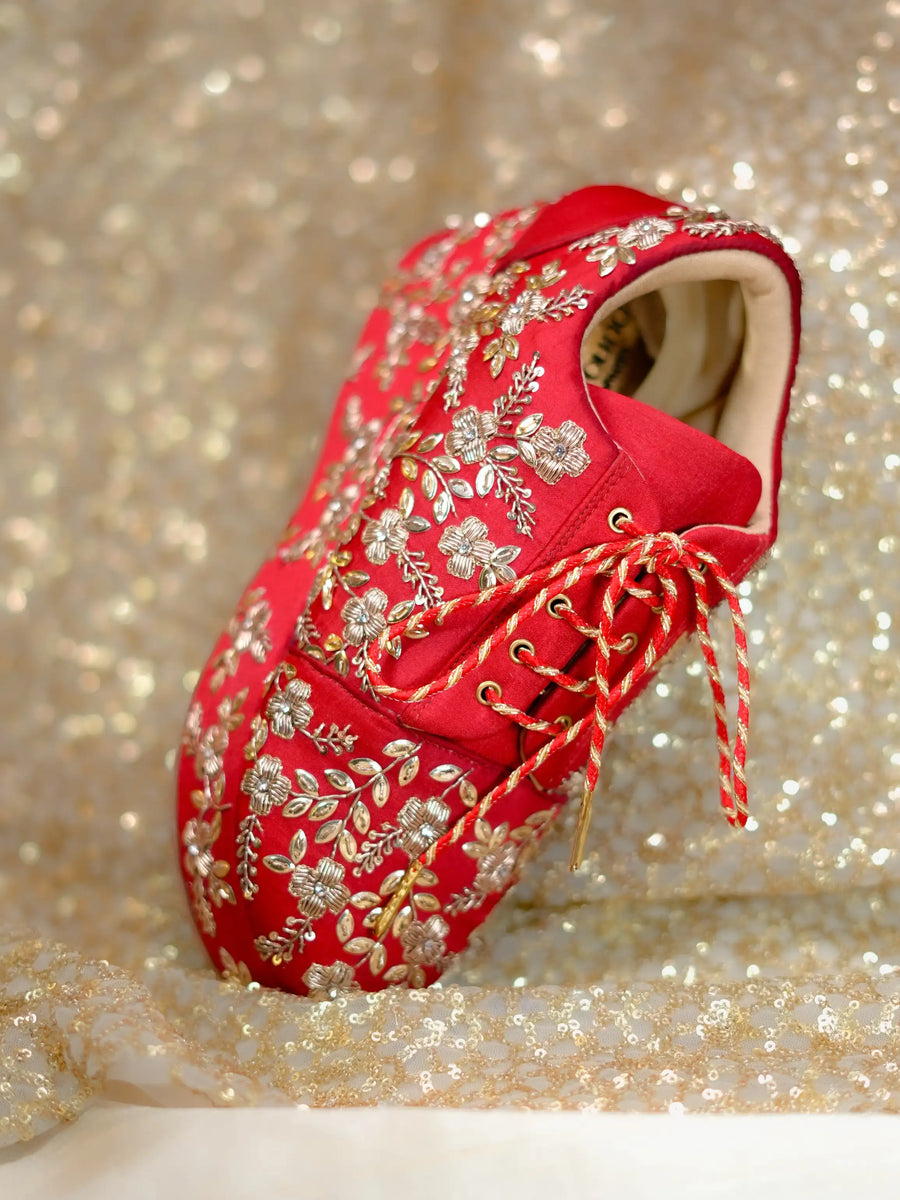
Bridal Sneakers
Bridal sneakers pair well with shararas and lehengas and have become especially popular for high-movement events like the sangeet and haldi. Indian wedding sneakers let you dance through the night without sacrificing your bridal look.
How to Choose the Best Wedding Shoes for an Indian Bride
Before finalising your pair, it helps to consider a few practical factors alongside style.
How Is Your Heel Tolerance?
If you do not wear heels regularly, consider the heel height carefully before committing to stilettos. High heels can take a real toll on your feet over several hours, especially if you are not used to wearing them. A conservative heel height is generally a safer choice for comfort and ease of movement throughout the day.
Open-Toe or Closed-Toe?
Most bridal footwear comes in open-toe and closed-toe varieties. Consider the season, the venue, and whether your day includes dancing. The right choice depends on how much movement and exposure to the elements your specific functions involve.
Comfort First
Comfort matters more than almost any other factor in bridal footwear. Even luxurious bridal high heels will be hard to enjoy if they cause discomfort with every step. Try on several pairs, walk around in each, and confirm the fit feels secure with enough room around the edges of your feet before deciding.
Venue, Location, and Surface
The venue matters as much as the outfit. Avoid high heels for beach or garden weddings where the surface is uneven. Consider whether your ceremony and reception will be indoors or outdoors, and whether the ground includes grass, sand, or cobblestones.
Season
Summer wedding footwear differs from winter footwear, both for comfort and practicality. Unless your wedding is in a tropical location, open-toe sandals are not the best choice for a winter event.
Also read: top bridal shoe trends for the modern bride
A Shoe Survival Guide for the Bride-To-Be
Once you have chosen your footwear, a few practical habits make a real difference in how your feet hold up through a long wedding day.
I felt their gaze on me from across the room, some curious, some quietly concerned. It was only a few minutes into my friend's sangeet. The music had just started building toward its first big chorus when I felt my balance shift. My feet had gone numb, and I was tottering on the dance floor in my high heels, confused and slightly dizzy. I grabbed the nearest chair and took off my glittering bridal heels right there. My feet had been sore since the afternoon, and they were finally telling me so.
Weddings are long, and it is easy to focus entirely on how the outfit looks while forgetting how the feet will hold up. The good news is that a few simple habits prevent most of this entirely.
1. Try Before You Buy. Check the sole grip before purchasing. If ordering custom bridal shoes, ask the retailer for an anti-skid sole.
2. Choose Gradual Slopes. Heels with a gradual slope are far more comfortable over long hours than heels with sudden height.
3. Take Regular Breaks. Sit for a few minutes every 20 to 30 minutes to take the weight off your feet. Slip-on heels are easier to remove quickly than buckled styles.
4. Break Them In Early. For leather shoes, apply a little Vaseline to the rim and heel area, then wear them at home for short periods before the wedding. For non-leather shoes, an ice pack or blow dryer on the tight spots can help loosen the material.
5. Protect Against Shoe Bites. Add bandages or cotton padding to common friction points, and consider blister-prevention strips for new footwear.
6. Tape High-Pressure Toes. Taping the third and fourth toes together can reduce pressure on the ball of the foot during long hours of standing.
Bonus tip: keep a backup pair of comfortable Indian wedding sneakers on hand. When your feet need a break from heels, slipping into something soft and supportive lets you keep dancing without any pain.
Also read: which bridal shoes and heels are trending this wedding season
Frequently Asked Questions
What shoes should I wear to an Indian wedding?
Block heels, wedges, juttis, and bridal sneakers are the most commonly worn shoes at Indian weddings. The best choice depends on the function: block heels and wedges suit ceremonies and receptions, while juttis and Kolhapuris are favoured for daytime and traditional events. Bridal sneakers are increasingly popular for the sangeet and other dance-heavy functions.
What shoes go with a lehenga?
Block heels and wedges are the most recommended footwear for lehengas, as they offer stability for the weight and movement of a full skirt. Embellished flats and juttis also work well for lighter lehengas or daytime functions. Stilettos are generally best avoided with heavy lehengas, as a narrow heel can catch in the hem.
Are juttis or heels better for an Indian wedding?
Both are appropriate, and the right choice depends on the function and your comfort with heels. Juttis are flat, traditional, and comfortable for long hours, making them ideal for daytime and ritual-heavy events. Heels, particularly block heels, add height and formality and suit the main ceremony or reception better.
How do I keep my feet comfortable in bridal shoes all day?
Break your shoes in before the wedding day, choose heels with a gradual slope rather than extreme height, and take short seated breaks every 20 to 30 minutes. Bandages or blister strips at friction points and a backup pair of comfortable sneakers for high-movement events like the sangeet also help significantly.
Choosing Shoes You Can Actually Wear All Day
Indian wedding shoes give you more choice today than ever before, from deeply traditional juttis to fully custom embellished heels and comfort-first bridal sneakers. The right pair is the one that matches your outfit, suits your venue, and lets you genuinely enjoy every function without thinking about your feet.
For more guidance on choosing the right wedding footwear, read our dos and don'ts of Indian wedding shoes.